Rate Your Hype
Hype Metrics
27
years old
Since 1999
59
nostalgia score
Peak
17
Wikipedia views / week
Trend: down
Rank History
About This Theme
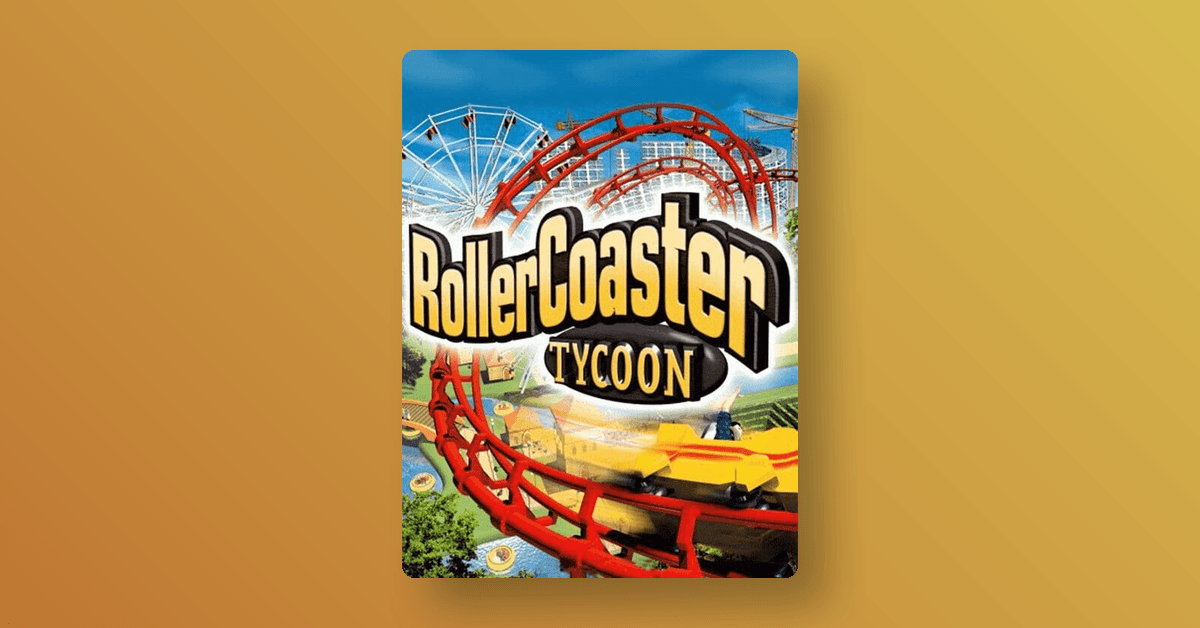
Rollercoaster Tycoon is a construction and management simulation video game franchise that first debuted in 1999, created by programmer Chris Sawyer and published by Hasbro Interactive. The series allows players to design and manage amusement parks, including building custom roller coasters, managing park finances, and keeping visitors satisfied. The original game became a massive commercial success, selling millions of copies and spawning numerous sequels and expansion packs throughout the 2000s. Rollercoaster Tycoon achieved significant cultural impact as one of the defining simulation games of its era, appealing to both casual players and dedicated enthusiasts who spent hours perfecting their park designs. The franchise has maintained a devoted fan base across multiple generations of gaming platforms.
Discussion of Rollercoaster Tycoon as a potential pinball machine theme appears sporadically in pinball community forums, though often with mixed reactions. The franchise was previously adapted into a pinball machine in 2002, and subsequent community mentions frequently reference that release as an example of a video game license that did not achieve lasting success in pinball form. Some commenters have cited it as an example of questionable theme selection, while others have noted it alongside discussions about the general underutilization of video game properties in pinball manufacturing. Despite the skepticism about the previous adaptation, some enthusiasts have suggested that the tycoon simulation concept could work for pinball, even proposing a theoretical "Pinball Tycoon" game that would incorporate meta elements of the pinball industry itself.
From a design perspective, Rollercoaster Tycoon offers numerous opportunities that could translate effectively to pinball gameplay. The theme provides abundant visual possibilities, including colorful roller coaster track designs, carnival aesthetics, and recognizable park elements like Ferris wheels and carousel structures that could serve as playfield toys or backglass artwork. Gameplay mechanics could incorporate construction elements where players build virtual coasters through shot combinations, manage park finances through banking targets, or satisfy guest objectives through mode completion. The original game featured an upbeat, cheerful soundtrack with carnival-style music that could provide distinctive audio appeal, while sound effects of screaming riders, clicking coaster lifts, and park ambiance would create an immersive audio experience. The franchise's focus on progression, achievement, and creative building aligns well with pinball's traditional emphasis on score progression and objective completion.