Big Bang Bar
WantedUpdated September 2026
#258
A chaotic cosmic bar where aliens, explosions, and multiball mayhem collide in pinball perfection.
Copied!
Rate Your Hype
About This Theme
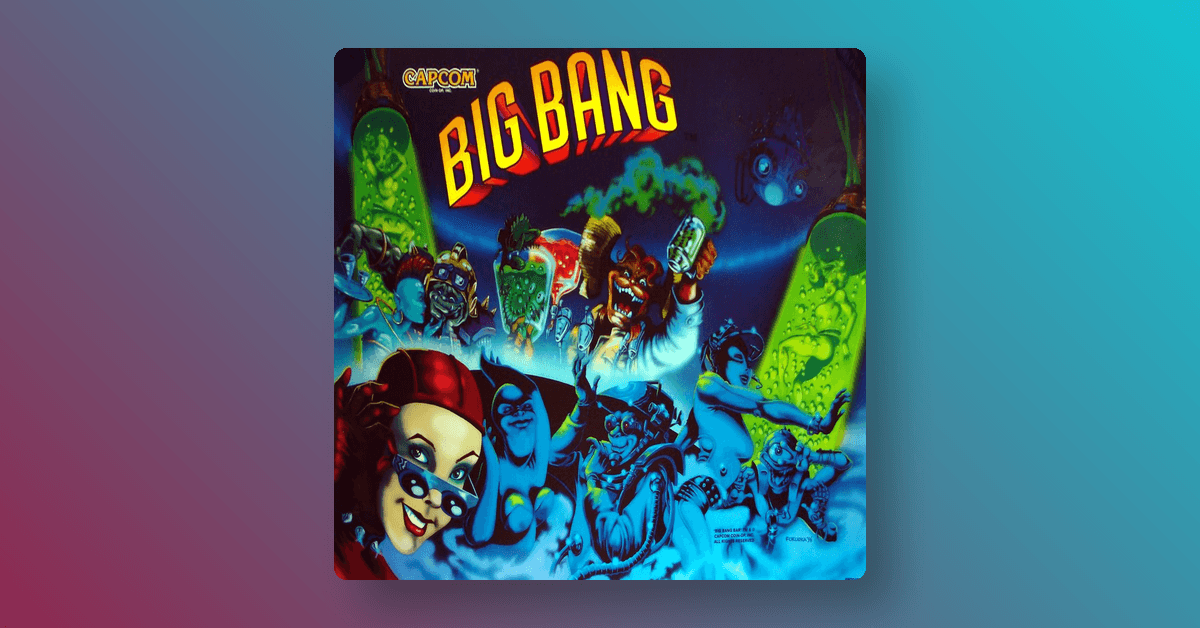
Big Bang Bar is not a franchise or media property, but rather an infamous pinball machine originally manufactured by Capcom in 1996. The game holds unique cultural significance in the pinball community as one of the rarest production machines ever made, with only 22 units completed before Capcom exited the pinball industry. Designed by Dennis Nordman with artwork by Kevin O'Connor and Python Anghelo, the machine features a space bar theme with alien characters and was intended to have a production run of several thousand units. Its extreme rarity and the dramatic circumstances of its cancellation have made Big Bang Bar a legendary collector's item, with original units commanding premium prices on the secondary market. In the early 2000s, Illinois Pin Ball Company acquired the remaining parts and licenses to produce a limited run of approximately 90 additional machines, further cementing its status as one of pinball's most sought-after titles.
Pinball fans frequently discuss Big Bang Bar in relation to potential remakes and reissues of the machine. Community mentions reveal ongoing interest in trademark filings, with references to PPS trademarking Big Bang Bar merchandise and pinball rights, leading to speculation about future production runs. Discussions often compare it to other licensed remakes and note that various companies have secured rights from the original Capcom design over the years. The licensing history is complex, with Bally Williams rights eventually passing through Planetary and other entities, making the machine's intellectual property status a recurring topic of conversation among collectors and enthusiasts who hope for another opportunity to own this elusive title.
As a pinball machine theme, Big Bang Bar already demonstrated strong gameplay possibilities with its original design featuring a space bar setting, alien bartender characters, and cosmic adventure elements. The visual themes combining retro science fiction aesthetics with bar culture created a distinctive and memorable playfield, while the game's rarity has only enhanced its mystique. The original machine included engaging sound design and music that complemented its quirky theme. Any potential remake or continuation would benefit from these established design elements, with opportunities to expand on the original's mechanical features, update sound and light shows with modern technology, and introduce new gameplay modes while preserving the eccentric character and challenging shot geometry that made the original machines prized among serious players.