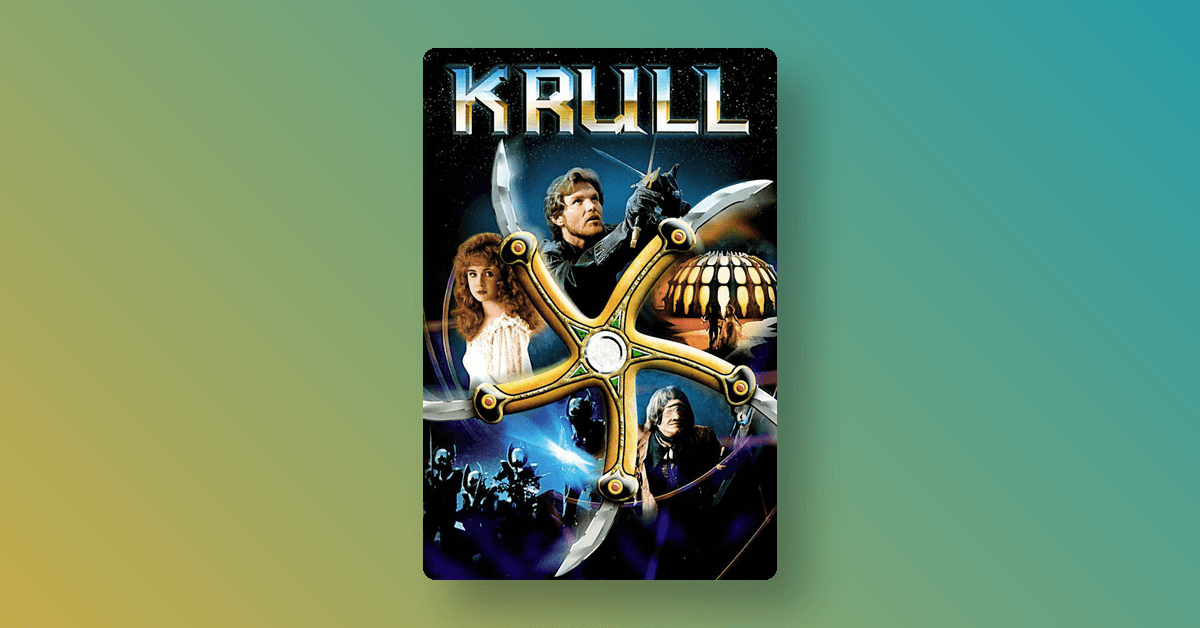
Krull
WantedUpdated September 2026
#270
Fantasy epic with iconic Glaive weapon and diverse alien worlds perfect for multidimensional gameplay.
Copied!
Rate Your Hype
About This Theme
Krull is a 1983 science fantasy film directed by Peter Yates that has gained cult status among fans of 1980s fantasy cinema despite its initial commercial disappointment. The film follows Prince Colwyn as he seeks to rescue Princess Lyssa from the Beast and his army of Slayers who have invaded the planet Krull. Notable for its unique blend of medieval fantasy elements with science fiction aesthetics, the film featured James Horner's sweeping orchestral score and introduced the iconic Glaive, a magical five-bladed throwing weapon that has become synonymous with the property. While Krull was not a box office success upon release, it has maintained a dedicated following over the decades and is frequently cited in discussions of underappreciated 1980s fantasy films alongside properties like The Dark Crystal and Labyrinth.
The pinball community has shown recurring interest in Krull as a potential machine theme, with enthusiasts citing the property in wish lists and speculation threads across forums like Pinside. Much of the discussion centers on the 1983 Gottlieb Krull pinball machine, a rare production that featured an innovative full-scale lower playfield visible through a Fresnel lens in the main playfield, creating what players describe as essentially two pinball machines in one. This lower playfield implementation is frequently praised in community discussions as superior to smaller mini-playfield designs, with players noting the appeal of simultaneously managing multiball action across both the upper and lower playfields with normal ball physics on both levels.
A modern Krull pinball machine would offer substantial thematic opportunities for designers. The film's visual elements including the Glaive weapon, the Beast's constantly teleporting Black Fortress, the Cyclops characters, the Fire Mares, and the Widow of the Web would translate effectively into playfield toys and targets. Gameplay could incorporate a quest structure where players gather allies and overcome obstacles to reach the final confrontation with the Beast, with modes representing key sequences like the battle with the Slayers or the journey through the labyrinth. James Horner's memorable score would provide an excellent foundation for the sound package, while callouts could feature dialogue from the film's dramatic moments. The property's existing connection to pinball history through the 1983 machine and the continued enthusiasm for that machine's innovative lower playfield design suggests that a modern interpretation could appeal to both fans of the film and players interested in unique mechanical implementations.