Pee-Wee
WantedUpdated September 2026
#154▼1this week84/100 community hype
Whimsical 80s nostalgia with secret word chaos, Rube Goldberg toys, and Chairy multiball madness.
Copied!
Rate Your Hype
About This Theme
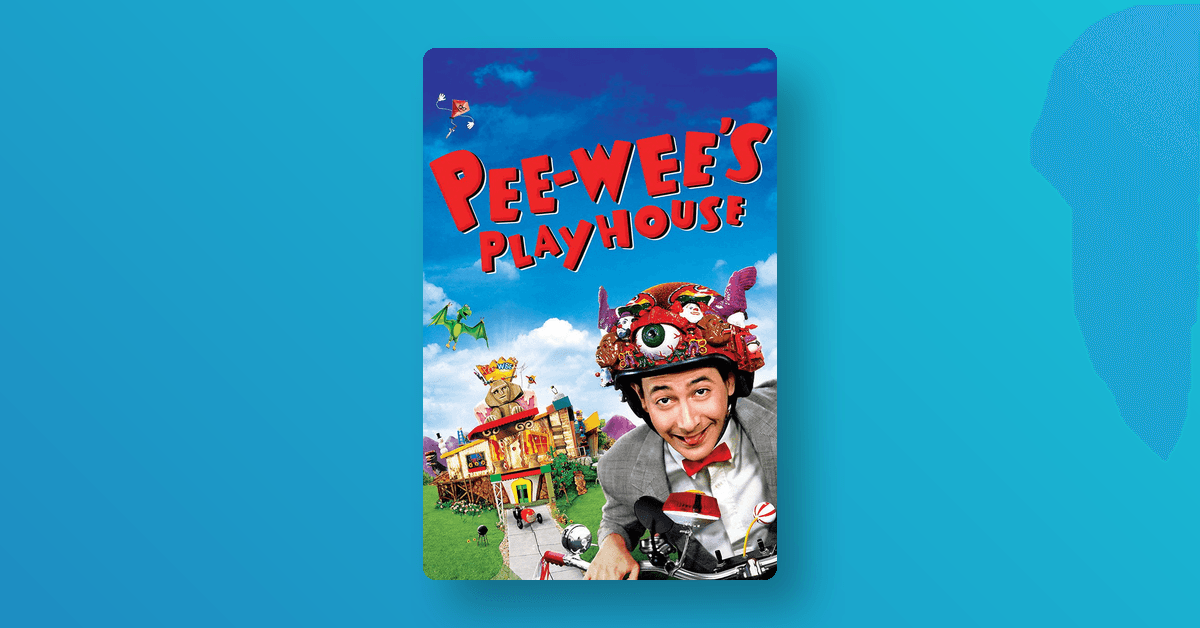
A Pee-Wee pinball machine has emerged as a recurring topic of discussion among pinball enthusiasts, particularly in online communities like Pinside where the theme has been mentioned in speculation threads about future releases. The Pee-Wee franchise originated with Paul Reubens' character Pee-Wee Herman, who first appeared in stage shows before starring in the 1985 film Pee-Wee's Big Adventure directed by Tim Burton and the beloved children's television series Pee-Wee's Playhouse, which aired from 1986 to 1990. The franchise became a significant cultural touchstone of the 1980s, known for its surreal humor, colorful aesthetic, and appeal to both children and adults. Community discussions have referenced Pee-Wee's Playhouse as a potential theme, with some pinball industry figures reportedly considering it as a candidate for a limited run production, though opinions remain mixed on whether the property has sufficient contemporary appeal.
The visual and gameplay possibilities for a Pee-Wee pinball machine would draw heavily from the distinctive aesthetic of Pee-Wee's Playhouse, which featured a vibrant, toy-filled environment with memorable characters including Conky the robot, Jambi the genie, Chairry the talking chair, and Pterri the pterodactyl. The playfield could incorporate the playhouse's distinctive red and blue color scheme along with toys, gadgets, and surreal set pieces that defined the show's visual identity. Gameplay mechanics could include a secret word feature that awards bonuses when hit, a Conky mechanism that dispenses information or objectives, and a Jambi wish-granting mode where players must complete specific shots. The sound package would benefit from Reubens' distinctive voice work, the show's memorable catchphrases like "I know you are, but what am I?" and the iconic laugh, plus Danny Elfman's memorable theme music from Pee-Wee's Big Adventure. The franchise's campy humor and nostalgia factor could position it alongside other comedy-themed machines, though some community members have questioned whether it possesses enough modern relevance compared to other potential 1980s and 1990s licensed properties.