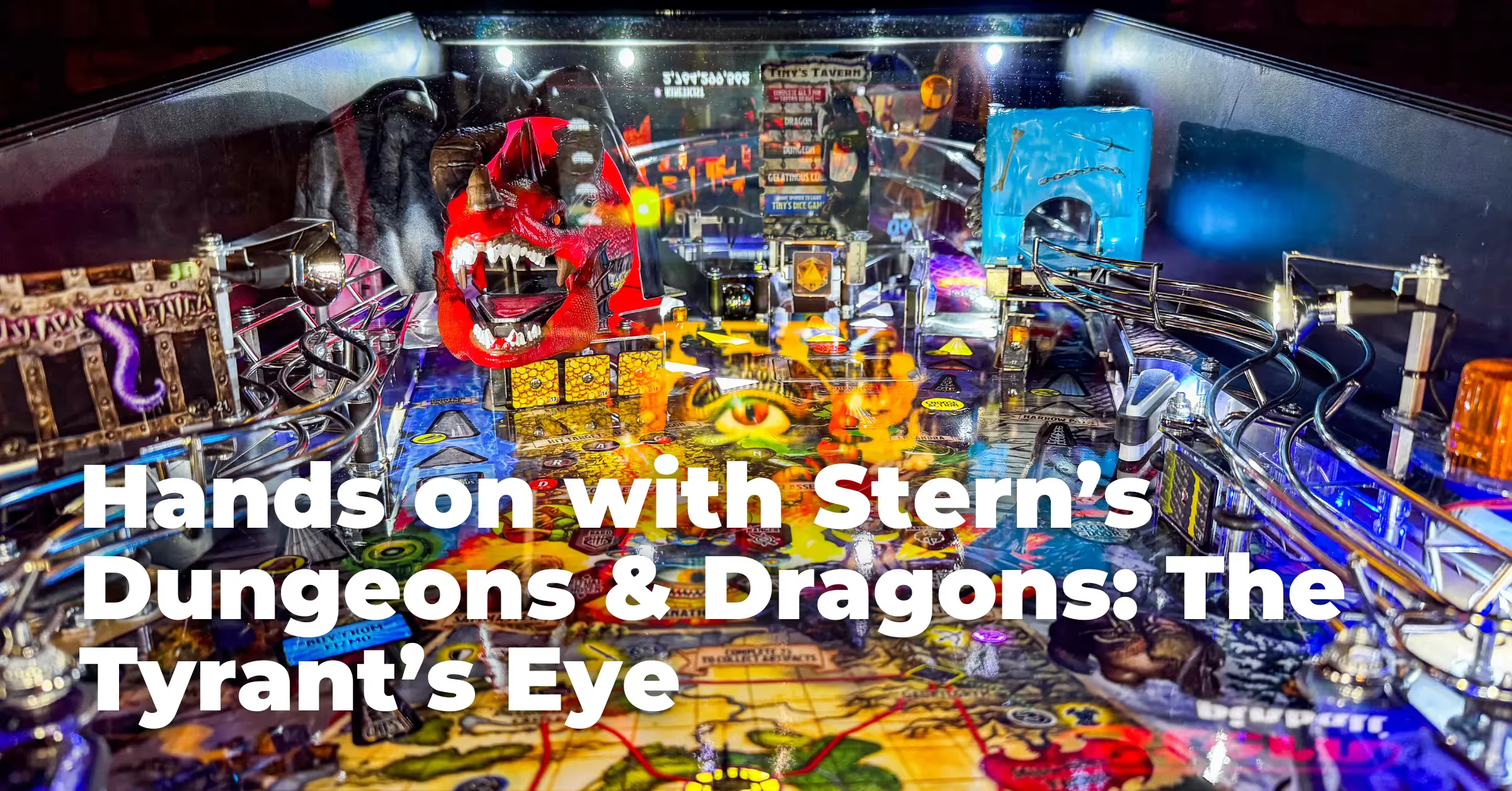
Pokémon by Stern is arriving everywhere, and Pinball veterans and newcomers alike seem to be enjoying it. While the game shoots great and catching Pokémon is undeniably addictive, the code is still early, and fans are eagerly awaiting the first major update. Word on the street is that the update is ready and waiting for licensor approval, but nobody knows when that will happen.
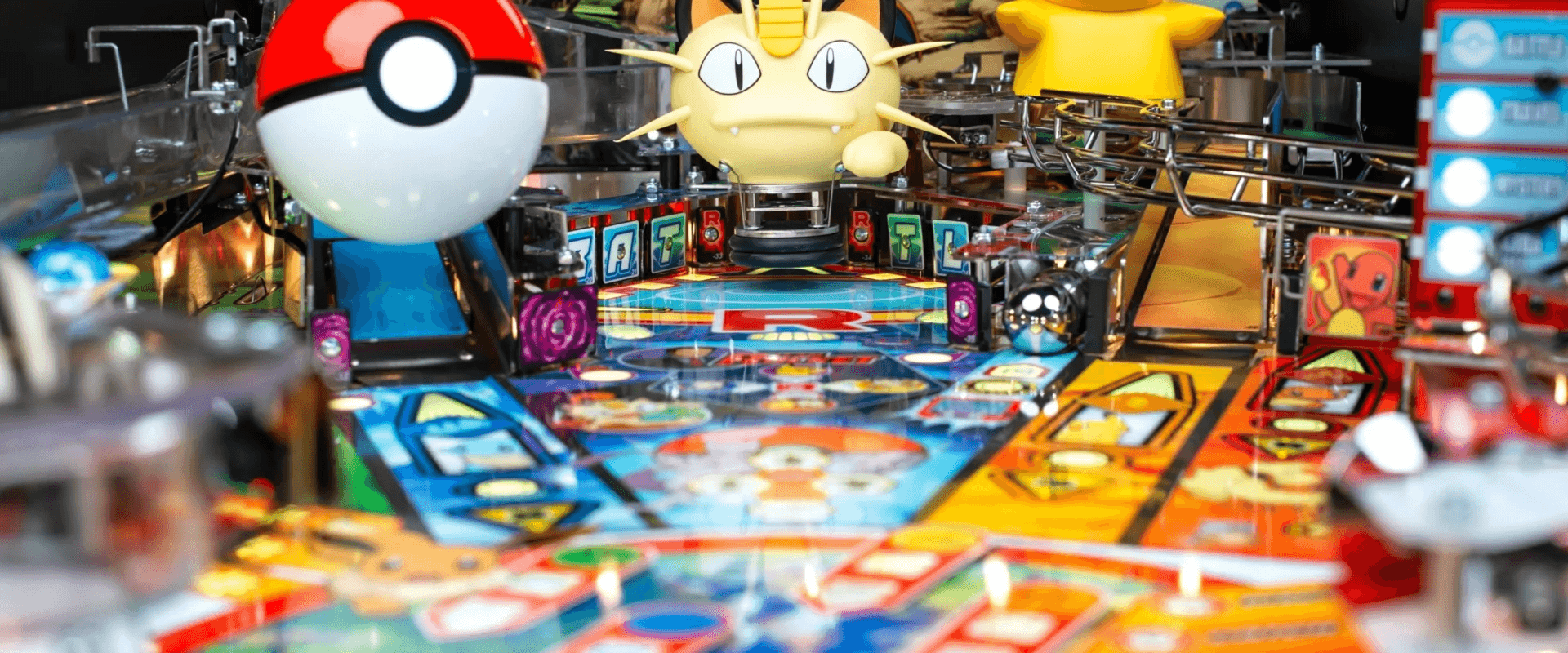
While we wait, let’s take a look at how Stern has managed to successfully adapt the world of Pokémon into their new pinball machine, and where they could take the code to bring more of the world’s biggest IP under the glass. This article is aimed at pinball players who might not be very familiar with Pokémon to better understand what Stern has done with the license, and where they have room to expand on the current code (0.81 as of writing).
Note: Stern has already confirmed that Insider Connected achievements, the Pokedex, and additional Pokémon to catch are on the way, so I won’t be covering those.
To quickly establish my credentials as a Pokéfessional, I’ve been playing the video games for almost three decades - since Red and Blue first landed on the Game Boy in 1998. My younger brother got a copy of Red, and I got Blue, and I have fond memories of the two of us building teams and discovering the vast world of Pokémon together, although I will say that having to share a single Game Boy was rough. I have played every iteration of the series since and have carried my collection forward through the generations, assembling what Pokémon fans refer to as a “Living Pokédex” - a complete collection of every single Pokémon ever released, including their pre- and mid-evolved forms. If you don’t understand what any of that means, congratulations on having friends growing up. Suffice it to say, I have a deep connection to the world of Pokémon.
What Stern Got Right
The Thrill of Catching ‘Em All
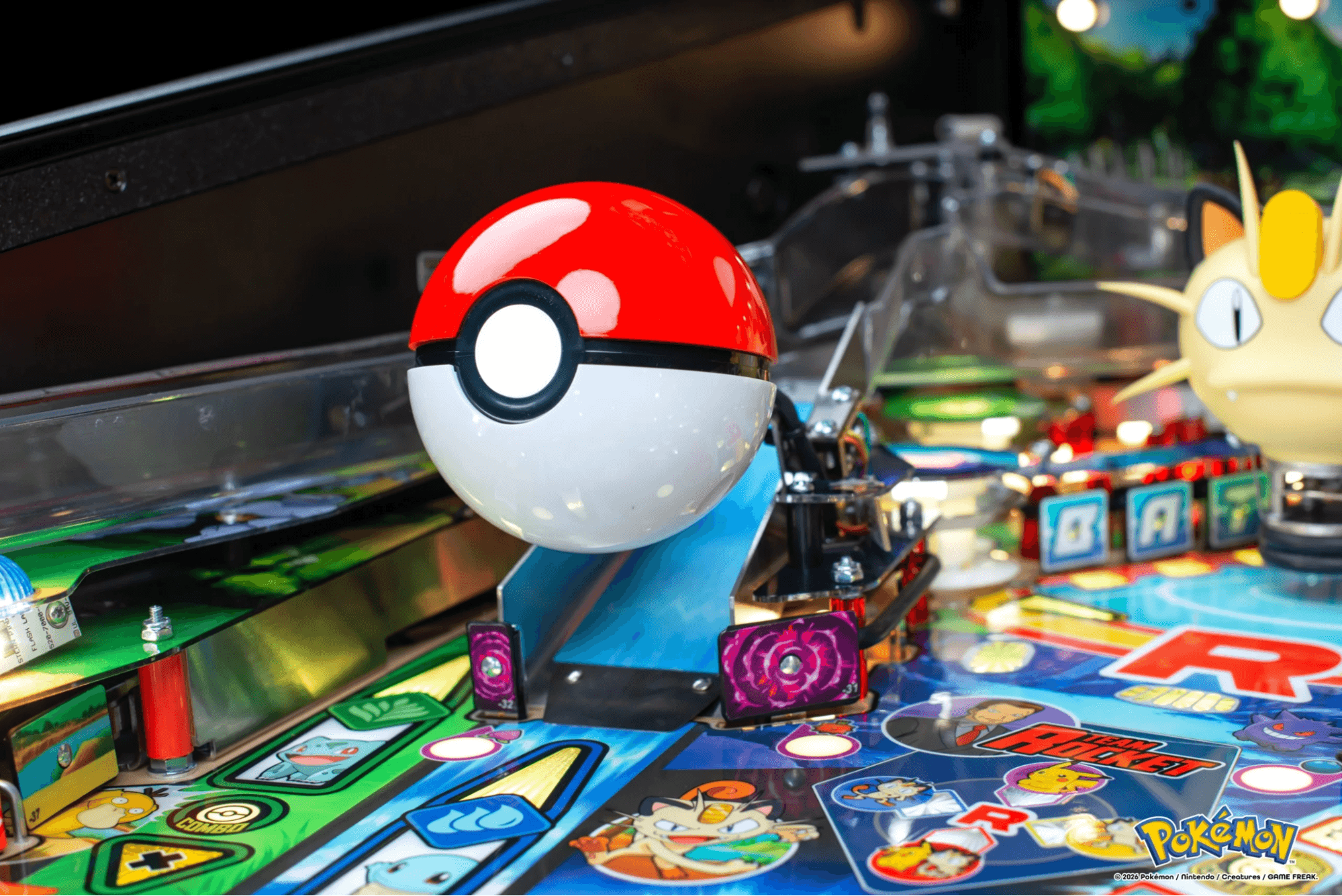
The core concept of Pokémon is summed up in its ubiquitous catchphrase: Gotta Catch ‘Em All! Stern understood the assignment and made the catching mechanic one of the most prominent (and addictive) features in their game. Seasoned pinball players may find the game’s current code a little too simple, but they seem to agree that the catching mechanic never gets old.
Consider me hooked - no matter what goal I’m currently working towards, when I hear that “Pokémon Discovered” callout, I drop everything and focus on capturing whoever pops up, especially if the discovered Pokémon is one of the cooler ones. A Scyther, an intimidating beast with blades for arms, is way cooler than a Pidgey, for example, which is a boring cartoon version of a common pigeon. While the promised implementation of the Pokédex in Insider Connected remains an unknown, the process of actually catching the Pokémon in-game never fails to delight. Unless you miss a catch, of course.
Just My Type
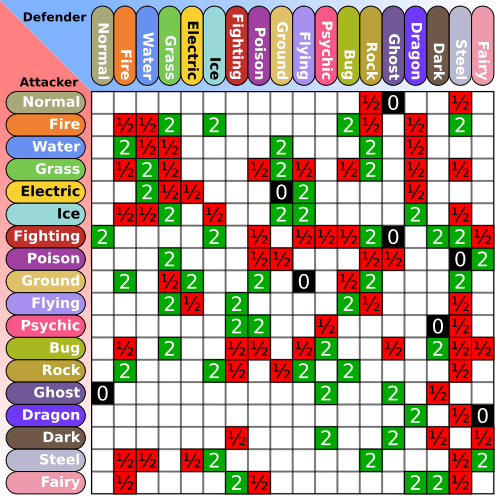
Another core concept in the world of Pokémon is that every pocket monster has a “type” - an intrinsic element from which they draw their power and also their weaknesses. When one Pokémon attacks another, the attack’s type and the defender’s type determine how effective it is. If the attack has a type advantage, it will be “super effective” - put simply, it does more damage to the opponent. If the defending Pokémon has the type advantage, it takes less damage. On the surface, the type system is rock-paper-scissors simple: water beats fire, fire beats grass, grass beats water. However, things get complicated quickly as Pokémon features 18 possible types, from intuitive ones like “electric” and “ice,” to the more intangible ones like “psychic,” “dark,” and the perplexing “normal.” With so many types to factor in, the matchups quickly get obtuse.
For some reason, dark-type is weak to fighting-type, and psychic-type is weak to bug-type. When it comes to the logical justification for these weaknesses, your guess is as good as mine. While most matchups are intuitive, good luck remembering an 18-by-18 grid of types. Add the fact that Pokémon can have dual types - for example, the Bulbasaur you start with is dual grass/poison - and the battles reach a point where you have to do differential equations before each attack to figure out how much damage it will do.
Pokémon by Stern includes the type system, although in the current code, it’s not very well telegraphed. You start with 4 Pokémon that cover a wide range of types - Charmander is fire, Squirtle is water, Pikachu is electric, and Bulbasaur is grass/poison. Their types are smartly represented by the colors and lights on the playfield. During the Squirtle Squad mode, for example, the active inserts will be blue to represent Squirtle’s water type. When Pikachu is fighting Raichu, the playfield lights up in yellow because they are both electric type. The coolest example of type-based lighting is when you swap to Bulbasaur for a Rival Battle, who is both grass and poison type. Some shots on the playfield light up green for grass attacks, and others light up purple for poison attacks. You can choose which type of attack to use by hitting the shot with the corresponding color. I would really love to see more of this kind of thing, but as far as I know, fighting a Rival Battle with Bulbasaur is the only time this dual-type color coding is used.
In fact, Rival Battles are pretty much the only time in the current code that this type-matching makes a difference at all. During this mode, the scoop will start to flash colors that correspond to the Pokémon on your team. If it’s flashing a color, hitting the scoop will swap your current character, always Pikachu first, with the Pokémon from your bench that matches that color. If it’s flashing blue, you get Squirtle. Flashing red? You get Charmander.
Since the starting Forest zone features all bug-type Pokémon, it can be a good idea to swap to Charmander when the scoop is flashing red since his fire type is strong against bug type. Similarly, try to swap in Bulbasaur during the Lake zone battles for his grass-vs-water type advantage when Pikachu runs out of steam. It would also be smart to keep Charmander on the bench during Lake battles, since, as a fire-type, he will take extra damage from water attacks, and he could get knocked out quickly.
In the current code, none of the battles are difficult enough to really require strategic type-matching, but I can see this becoming an important part of game progress in later code updates. If you want to get serious about beating Pokémon by Stern, it might not be a bad idea to familiarize yourself with the basic type matchups, at least for the 4 starter Pokémon the game gives you.
Traveling the World
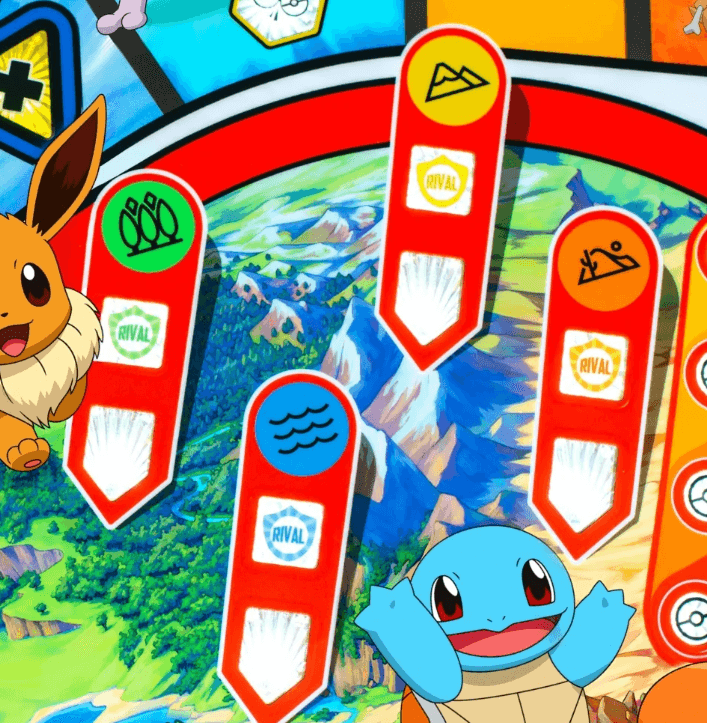
The Pokémon video games are as much about exploring the world as they are about catching and battling, and each biome the player travels to contains different Pokémon to discover and catch. Stern has coded a version of that exploration into the pinball machine as well, allowing the player to journey from zone to zone, complete with appropriately-typed Pokémon to battle. You always start in a forest that is filled with mostly bug-type Pokémon. From there, you can travel to a lake-themed zone and face a few water-themed creatures. There are later mountain and desert biomes to travel to, but the current code has no zone-appropriate Pokémon to find in those yet. If Stern adheres to the logic of the video games, expect rock and ground-types in the desert and for the mountain caves to be filled with a seemingly endless supply of poisonous Zubats.
Currently, traveling between zones requires catching a Pokémon to light a Rival Battle for that biome, and then starting and beating that battle. Each subsequent biome requires more catches to light, and catching Pokémon gets progressively more difficult. Being able to visit multiple biomes in a single game is a tall order for all but the Very Best pinball players, so few will get to see anything past the first Forest zone.
I’m curious if Stern will update how zone switching works in future updates, or if they will give the player an option to choose their starting zone at the beginning of the game. If not, we’re all going to be catching a lot of Caterpies.
Opportunities to Expand
Powering Up
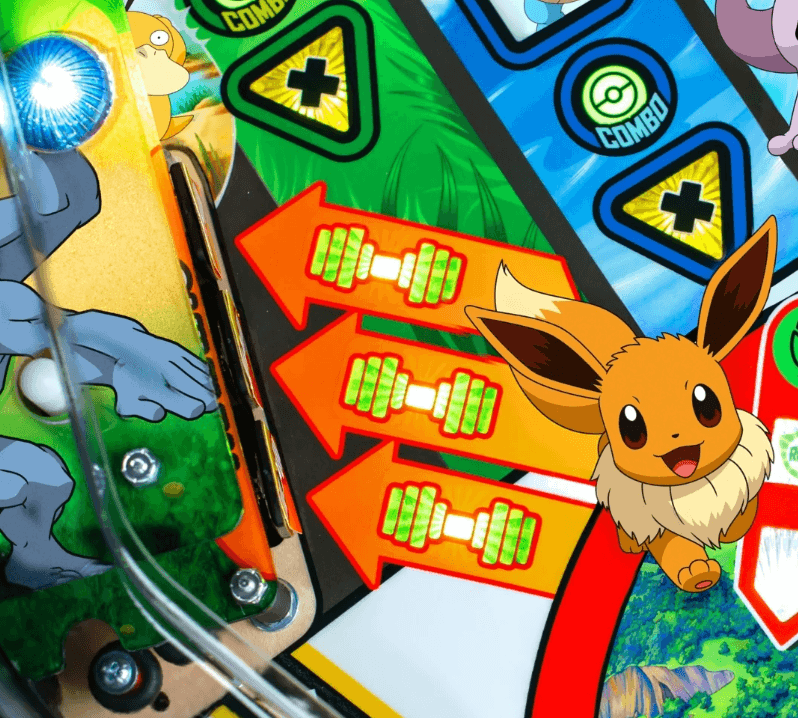
Nearly every iteration of the main video game series is built on basic RPG mechanics: your team gains experience, they level up, and they have stats such as HP, Attack, Defense, and Speed that increase over time and determine how powerful they are in battle. The games often refer to powering up your Pokémon through battle experience or using consumable items as “training.”
Stern’s game references this process with a set of stand-up targets on the left side of the playfield labeled “Training” and corresponding images of dumbbells on the playfield. Currently, these do nothing except earn some additional points, but it seems safe to assume that Stern is planning to add a mechanic that will allow you to strengthen your team via these targets somehow.
How the developers will implement this feature remains to be seen.
Will there be a way to choose which Pokémon you are training at a given time? Will your whole team power up collectively? Will battles also increase your team’s power, and will a Pokémon that was knocked out in a battle miss out on the experience, similar to how it works in the video game?
In the traditional Pokémon games, it’s vital to swap a weakened team member out with a healthy one before they are knocked out, so they don’t miss out on the experience from the battle. If Stern adds this mechanic to their game, it would add a lot of pressure and strategy during Rival Battles for when to smartly swap your team members.
The current mid-wizard mode against Charizard is manageable without much trouble, but future battles could get more difficult to the point where powering up your team will be necessary to stand a chance. Training could factor into future Rival Battles as well, where you could run the risk of losing your whole team before you can knock out the opposing Pokémon, missing out on the points and experience for the mode as if you had drained your ball. As your team levels up, you will be able to beat your opponents faster while sustaining less damage, increasing your chance of success.
There are many ways Stern could go with the training system, but it’s clear they have something planned.
The Hunt for Rare Pokémon
While the current implementation of the catching mechanic is fun and addictive for pinball, (a series of hurry-up shots that can pop up at seemingly random times and send players scrambling to catch the Pokémon they just discovered), it’s a simplified version of the robust catching system in the video games.
For example, in the video games, weaker Pokémon are fairly easy to catch, but stronger and rarer Pokémon need to be battled and weakened before they can be caught by the trainer’s Pokéball.
Players face a balancing act of trying to damage the creature’s health low enough to weaken it, but without knocking it out, because you can’t catch a fainted Pokémon. Players can also apply status effects to further weaken a Pokémon, like putting them to sleep or paralyzing them. Special types of Pokéballs with different effects can be used to gain an advantage in certain situations.
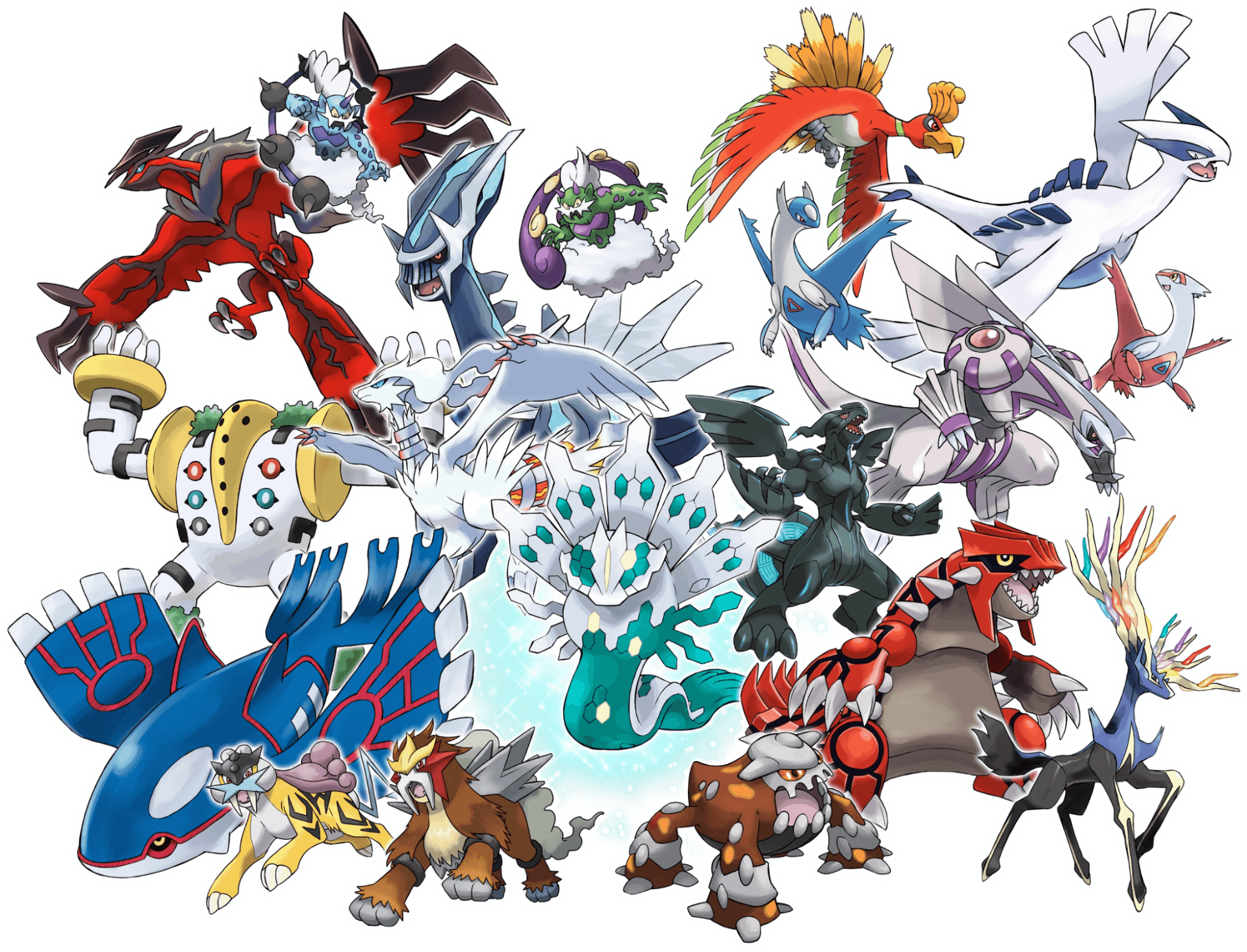
For the absolute strongest Pokémon in the game, known as “Legendary” Pokémon, players have a single chance per game to catch them before they are gone forever. These battles can last 10 minutes or more as the player attempts to whittle the opponent’s health down while surviving a barrage of powerful attacks directed at their team. Dozens of Pokéballs need to be tossed, each with only a slight chance of success, until finally the beast succumbs and is captured.
In Stern’s pinball machine, the strength and rarity of the Pokémon that are discovered seem to have no impact on how difficult they are to catch. Subsequent catches get more difficult to complete, requiring more switch hits and purple target strikes to qualify the catch, but there is no difference in difficulty between capturing a weak Pokémon vs. a strong one.
I’m curious where Stern could go with the catching mechanic, especially as they introduce more late-game content. I don’t necessarily want catching a Pokémon to have a chance to fail like it does in the video games, but I wonder if Stern will implement a special mechanic to catch Legendary Pokémon at some point.
Instead of Pokémon being discovered randomly, a sequence of steps could lead up to a special mode that the player could trigger intentionally. This mode could culminate in a battle against a powerful foe, requiring them to be weakened before they are finally ready to be caught.
I can imagine a mechanic similar to the add-a-ball during multiball, where switch hits during a Legendary battle will light up the Action Button to apply a special status effect to the opponent, weakening them and making them easier to catch. Successfully catching one of these Legendary creatures would add them to your Pokédex permanently; a badge of honor for accomplishing a difficult feat. There are so many Legendary Pokémon in the game world that Stern could add tons of these special encounters over time.
What Stern is Missing
Evolution
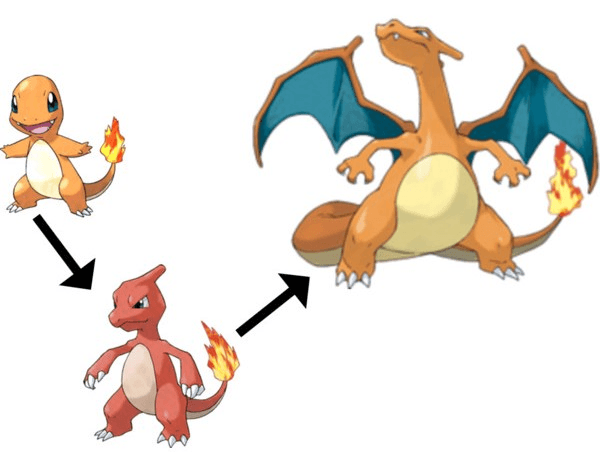
Just like a Bible college in the southern US, Pokémon by Stern doesn’t acknowledge evolution at all. Evolving your team’s Pokémon has always been a crucial mechanic for increasing their power in the video game series. Most creatures can evolve into at least one or sometimes multiple stronger forms, and while the majority of Pokémon will evolve automatically when reaching specific levels, other evolution methods are more… exotic.
Some Pokémon evolve when you use a certain item on them, others need to be in specific locations or holding special items, and one even requires that you level it up while holding your game console upside-down - which is a mechanic that’s unlikely to make its way to the pinball machine. The varied and sometimes weird ways that Pokémon evolve are a cornerstone of progression in the video games, and their absence in Stern’s current code is a major omission.
I fully expect evolution to make its way to Pokémon by Stern eventually, and I’m curious how they might implement it.
The current code starts the player with 4 starter Pokémon in their unevolved forms, each corresponding to a story mode on one of the 4 major shots around the playfield. These starter team members are fine at the beginning of your journey, but it wouldn’t make sense to go into late-game battles against fire-breathing dragons* and powerful psychic mutants with an unevolved Squirtle and Charmander - essentially babies in the world of Pokémon.
Currently, when you beat a mode that corresponds to a Pokémon on your team, they don’t change or level up at all. I could see a code update where beating the Charmander mode powers him up and evolves him into Charmeleon, and then beating his mode again - maybe a tougher Charmeleon mode the second time around - would evolve him into his final form of Charizard. This would give your team a stronger foundation for going into the mid and final wizard modes, but more importantly, the first time you evolve each form, they would get added to your Pokédex. Lane multiplier arrows for beating the modes are nice, but what everybody really wants is a Charizard!
* Yes, I know Charizard isn’t technically a dragon-type. Shut up, nerd.
Team Building
One of the most innovative features of the original Pokémon games was the ability to completely customize your team. At the start of the game, you would be given a choice of one of three starters, and then it was up to you to capture more Pokémon and build your team of six out of whoever you chose. Even your starter Pokémon was replaceable, and you were free to run with a completely unique lineup if you wanted. Total freedom for the player.
Strategizing which creatures you brought to each encounter was a big part of the game’s appeal, and you would always want to choose Pokémon with types that would counter the enemies you were likely to face.
If you were traveling through a snowy area, you would want to make sure to bring plenty of fire-type Pokémon, and if you were traveling over water, you would stock up on grass-types. This concept of catching, selecting, and powering up the team of your choice has been a core element in the video game series since the beginning.
I understand why Stern decided to go with a pre-set team in the current code. This game is intended to be approachable for new pinball players as well as veterans, and requiring players to build a team at the start of each game by scrolling through dozens of options would be overwhelming. This isn’t a Jersey Jack game after all!
The team that Stern gives the player makes sense - Charmander, Squirtle, and Bulbasaur are the original starter Pokémon from the first game and feature prominently in the TV show, and Pikachu is the most recognizable character in the franchise. The four together provide good type coverage to face the Rival Battles that the game throws at you, and of course, they correspond to the 4 main story modes on the playfield.
It’s clear that Stern is probably intending to keep them as the core team moving forward. However, in the Pokémon video games, teams consist of 6 Pokémon… which makes me wonder if Stern might do something with those 2 remaining slots.
How cool would it be to catch Pokémon and get the option to add them to your team for future battles? I don’t think this would overwhelm the player with options too early in the game - especially because the first 2 Pokémon you catch could be added to the empty spots automatically. If you fill your team of 6 and catch another, maybe you could be given the option to swap your new catch for one of your existing team members. This would introduce some real team-building strategy as you try to assemble a team with type coverage for whatever goal you are currently aiming for. It could also be fairly easy to ignore if the player doesn’t want to bother with it or isn’t paying attention to the screen.
A Non-Existent Rival

The mainline Pokémon games usually begin with you creating and naming your own character, and then immediately naming your rival. This rival is an antagonist who mirrors your journey throughout the game, staying one step behind your progress as you strive to become The Very Best. At key points through each game, your rival appears to challenge you to a somewhat evenly matched battle, serving as a power check to ensure you are building a balanced team that is appropriately leveled.
In some iterations, the rival surpasses your own progress and earns the title of Champion before you, becoming the final boss of the game that you must beat to become Champion yourself. Whatever form the Rival takes, they serve as an ever-present threat and active participant in your quest to become a Pokémon master.
Pokémon by Stern has a concept of a Rival Battle, but in the current code, the Rival himself is conspicuously absent. After successfully catching your first Pokémon, the Rival Battle at the scoop will light, and sinking the shot will start a battle against… nobody.
A team of biome-specific Pokémon will immediately engage you in a fight, but this is more akin to wild battles you would encounter in the video games against random monsters while wandering the world. Both on the playfield and on the screen, there is never any mention of a human Rival directing the enemy team, and there is no voice or characterization given to anyone embodying the Rival.
The Rival is such a non-entity, in fact, that I wonder if calling this a “Rival Battle” was an oversight by Stern’s dev team. Maybe there was originally intended to be a Rival in the game, but at some point, it was removed, and the mode's name was never changed. It’s possible Stern has plans for the Rival to make a grand appearance in a future code update, but in the current version, he’s curiously absent.
Gyms, the Elite 4, and the Champion, Oh My!

When a player starts their journey as a Pokémon trainer in the video games, they are instructed to assemble and train a team, and then test their mettle by facing the “gyms” in different towns around the region.
Think of these gyms as Pokémon dojos, which aspiring trainers must challenge and attempt to defeat the gym’s leader, a Pokémon trainer with a strong team specializing in a certain type.
Beating a gym’s leader will award the player a badge from that gym, and most Pokémon games feature 8 different gyms with 8 badges to collect. Once the player collects all 8 badges, they earn the right to face the Elite 4 - a brutal gauntlet of four seriously strong Pokémon trainers they must defeat with no breaks in between.
In some Pokémon games, there is also a final, even stronger trainer who holds the title of “Champion” that the player must also defeat to earn the title for themselves. Often, the Champion ends up being the player’s Rival, who always happens to get to the Elite 4 first somehow. There have been a few variations to this formula over the decades, but this is generally how the core progression loop works.
In Pokémon by Stern, there is no hint of gyms, badges, or the Elite 4 in either the code or on the playfield, and I don’t think they are planning to take the game in that direction.
Based on the inserts and art on the playfield, it appears that the game progression is designed to go through the pre-determined biomes - Forest, Lake, Desert, Mountains - and culminate in one-on-one battles against powerful Pokémon foes.
The only wizard mode in the game currently is a Pikachu vs. Charizard battle, but next to the Charizard insert on the playfield, there are also inserts featuring Lucario and Mewtwo.
Similar to Charizard, these are also strong Pokémon who made prominent appearances in the Pokémon cartoon series, so it seems like Stern is probably planning for the late-game wizard modes to feature these battles. As a fan of the video games primarily, it will be a little disappointing if the game progression goes in that direction, but it makes sense for Stern to go with battles that already have video assets they can incorporate.
Of course, it’s still possible that Stern could implement some kind of gym/badge progression system in future code updates, even if the assets aren’t present on the playfield currently. Maybe gym battles could be added as side modes or as an alternative to the Rival Battle modes, allowing the player to collect badges on-screen and eventually unlock an Elite 4 multiball battle mode. I’m holding out hope that badge collecting makes an appearance in some form eventually. Apparently, I just love collecting stuff.
What We Probably Won’t Get
Trading and Player-vs-Player Battles
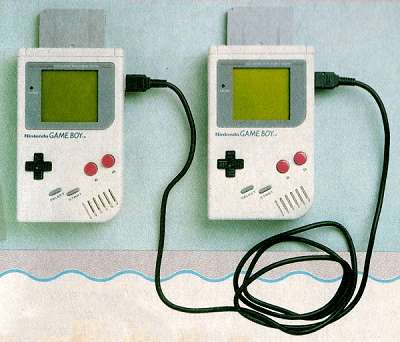
Being able to trade Pokémon and battle them with your real-life friends has always been one of the best features in the video game series, dating back to the original Red and Blue in the 90s. The coolest kids in school (not!) would gather in the cafeteria to connect their Game Boys via Link Cable and experience exciting multiplayer action on glorious 8-bit monochrome screens.
While Nintendo was able to figure out multiplayer on a gaming device less powerful than a graphing calculator, I’m not holding out hope that Stern will follow in these particular footsteps.
In interviews, Stern has been pretty open about having no current plans to add trading or battling, which makes sense, as Insider Connected is cool for tracking your scores and achievements but lacks the architecture for real-time head-to-head gameplay.
Even slower-paced actions like trading Pokémon with friends seem like a stretch, given the development effort required to code an entire trading UI and the networking infrastructure to support it. It seems like a safe bet that filling out your Pokédex is going to remain a solo effort for now.
The Weirder Side of Pokémon
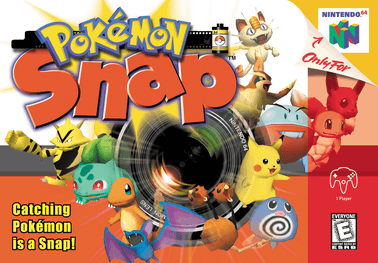
The Pokémon IP is massive, and the core series of traditional RPGs are actually the minority of Pokémon video game releases. There have been a staggering number of spin-off games released over the history of the series, and some of them are truly bizarre: There are games where you talk to Pikachu with a real-life microphone, games where all you do is ride a train and take pictures of Pokémon, there have been puzzle games, racing games, a series where you play as an actual Pokémon who can speak to and understand the others, a post-apocalyptic Pokémon game, and of course a handful of digital Pokémon pinball games.
As much as I would love to see nods to some of the wackier spin-offs in Stern’s game - a Pokémon Snap mode where you have to take photos of Pokémon with well-timed shots would be amazing - it doesn’t seem like Stern has been given license to incorporate the strange fringes of the Pokémon universe into this pinball machine. The Pokémon series hasn’t been afraid to get weird in the past, but for better or worse, Stern seems to be playing it by the book. Given how long it’s taking to get their code updates approved, I don’t blame them.
Jessie and James
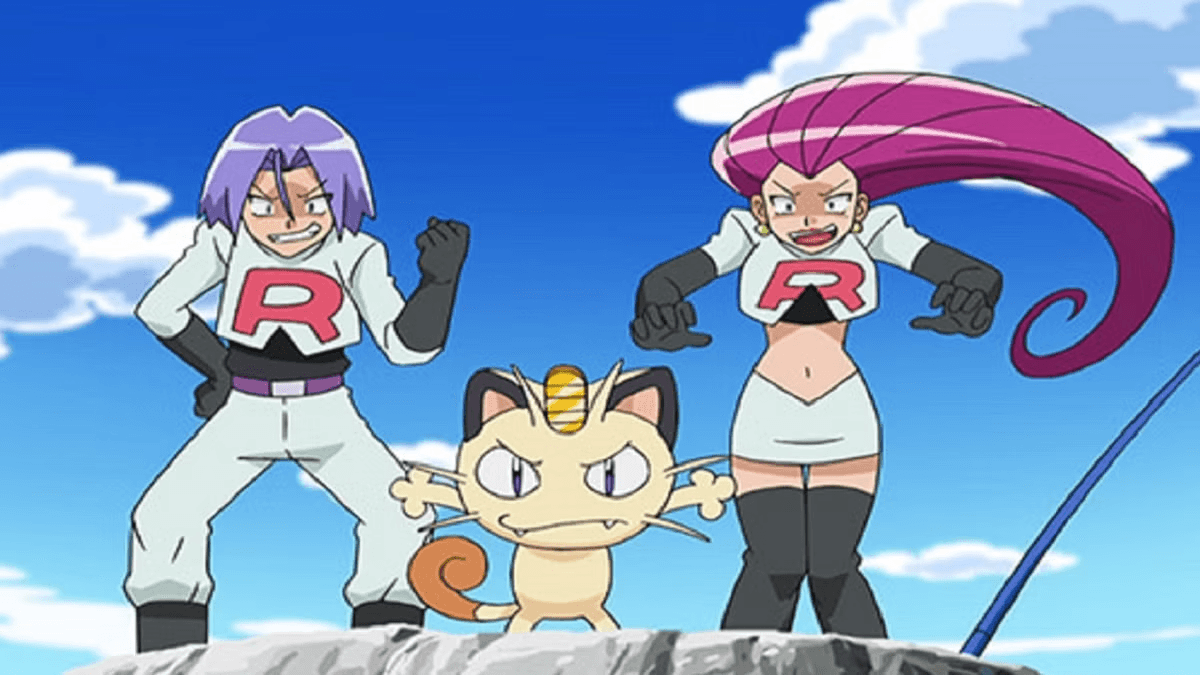
Pokémon by Stern prominently features Meowth, a recurring baddie from the cartoon series, a member of the evil Team Rocket, and one of the few Pokémon that can actually speak human language. He taunts the player as they attempt to bash the Meowth Balloon featuring his likeness to make progress towards the Team Rocket multiball.
Less-prominently featured is Giovanni, the big boss of Team Rocket, who has a few callouts for the player but ultimately doesn’t do much. I expect more from Giovanni as future code updates will surely add more depth to the Team Rocket modes.
Conspicuously absent are Meowth’s Team Rocket teammates Jessie and James, two of the most recognizable characters in the cartoon series who have been antagonizing perpetual tween Ash Ketchum for over a quarter century.
Each time they showed up, they would chant their catchy motto - “Prepare for trouble, and make it double,” etc. - and it has been stuck in the heads of Pokémon fans since 1998. Unfortunately, the beloved Team Rocket antagonists, along with Ash Ketchum himself, were officially retired in 2023, so it’s unlikely that The Pokémon Company would approve new material featuring characters they are trying to move on from. Sadly, this means the chances of hearing “Looks like Team Rocket is blasting off again” in Stern’s game seem slim to none.
—
I hope this look into the world of Pokémon through the lens of Stern’s new pinball machine was enlightening for some of you and nostalgic for others. We should see Stern’s first code update for Pokémon soon(?), and, along with achievements and the Pokédex, hopefully, we will get a glimpse of where they plan to take the game in the future.
Stern has created a pinball machine that both Pokémon fans and non-fans alike seem to love, and I can’t wait to see how they expand on the massive potential of this game. I’m also curious to look back on this article after a few code updates are released and see what I predicted correctly!
UPDATE 5/7/2026:
Stern has released the first code update, bringing Pokémon by Stern to version 0.82! And it’s… not what we expected. There’s still no sign of achievements or a viewable Pokédex of the Pokémon you have collected in Insider Connected. Stern also didn’t add any content in terms of modes or multiballs. This update is more of a quality-of-life update with a few balance changes, too. It might not be what we were hoping for, but there’s still some cool stuff in this update that will make the gameplay less punishing and even a little more strategic.
Probably the biggest change in this update is the ability to toggle the outlane ball save with the flipper buttons. Previously, the outlane ball save was not player-controllable, which made outlane drains frustrating if the save was on the wrong one. Now you can move it at will, which allows a skilled player to effectively protect their outlanes.
Another cool change is the ability to choose which Pokémon the scoop will bring out during a Rival Battle. Previously, the color of the light on the scoop during a Rival Battle was not player-controllable. Now, during a battle, flipping the right flipper will toggle the color of the light scoop, allowing you to catch the ball on the left flipper, choose a color with the right flipper, and hit the scoop to switch to the Pokémon on your team that corresponds to that color. This will make strategically switching your team members during battles to gain a type advantage much more controllable. A cool gameplay change for sure, but we still need more modes where it will matter!
There are a lot of balance changes I won’t cover in detail, but one of the big changes is making the Team Rocket multiball worth more, and the Pikachu story mode - the multiball battle against Raichu - worth slightly less. This change is great because Team Rocket multiball didn’t feel like it was contributing much to your score previously. There’s also a change that makes the scores you achieve in the story modes factor into the value of each phase during the Charizard wizard mode. It’s nice if you are getting to the wizard mode regularly, but I’m not!
The training target bank was updated to do more: during a battle, completing the training targets will heal your current Pokémon, and during a story mode, completing the targets will add 20 seconds to the timer. Nice features, but still no way to actually “train” your team to be stronger. Hopefully, that’s coming in a future update.
There’s a handful of other changes: a few new Pokémon to catch, a flash effect on tilt warnings, a short ball save after hitting the captive ball, minor tweaks to various story and battle modes, and more operator menu options. It’s all nice to have, and I’m glad Stern is still making updates despite the more anticipated features likely being held up in approval hell. Hopefully, we won’t have to wait too much longer for the “big” update, but these smaller changes should breathe some new life into the limited code in this game that it sorely needs.
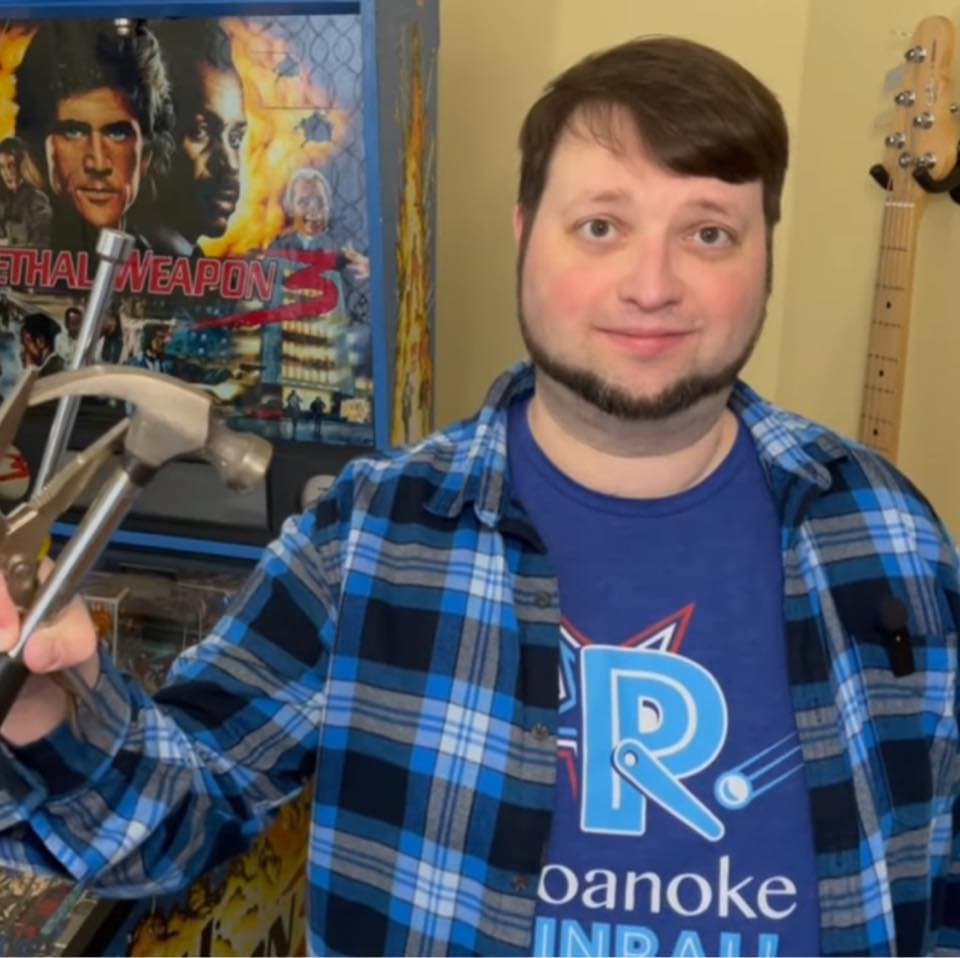
Chris Krentz is a self-professed “Pinball Noob” on a journey to learn everything there is to know about playing and repairing pinball machines.
Like what you're reading?
Get pinball news, analysis, and deep dives delivered to your inbox.
Related Posts
More in Stern Pinball or browse all topics.