
Games
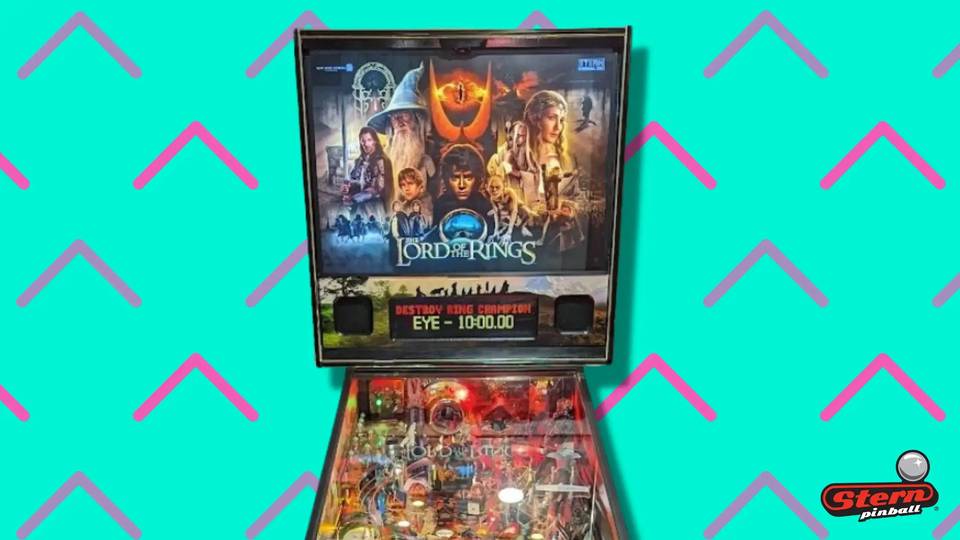
Lord of the Rings
200388/100 (10)Stern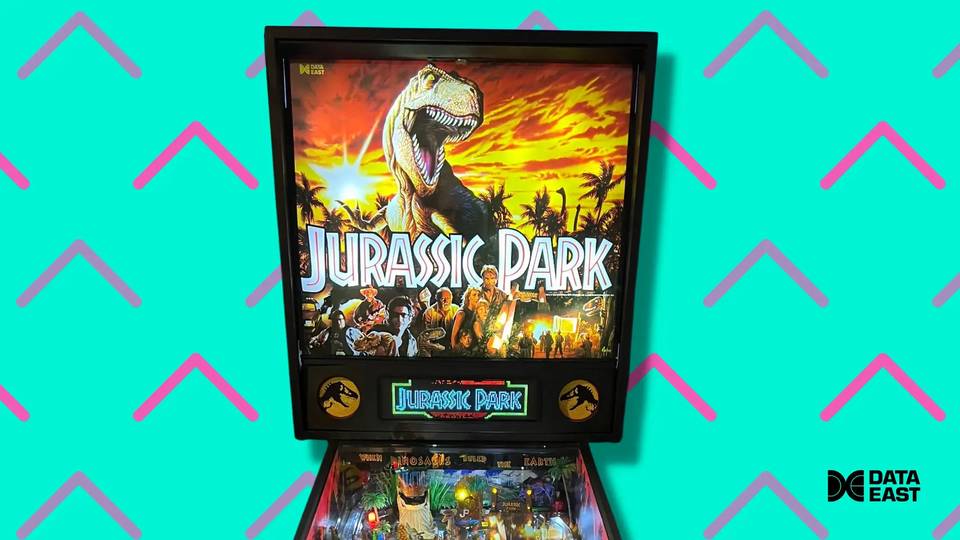
Jurassic Park
199387/100 (5)Data East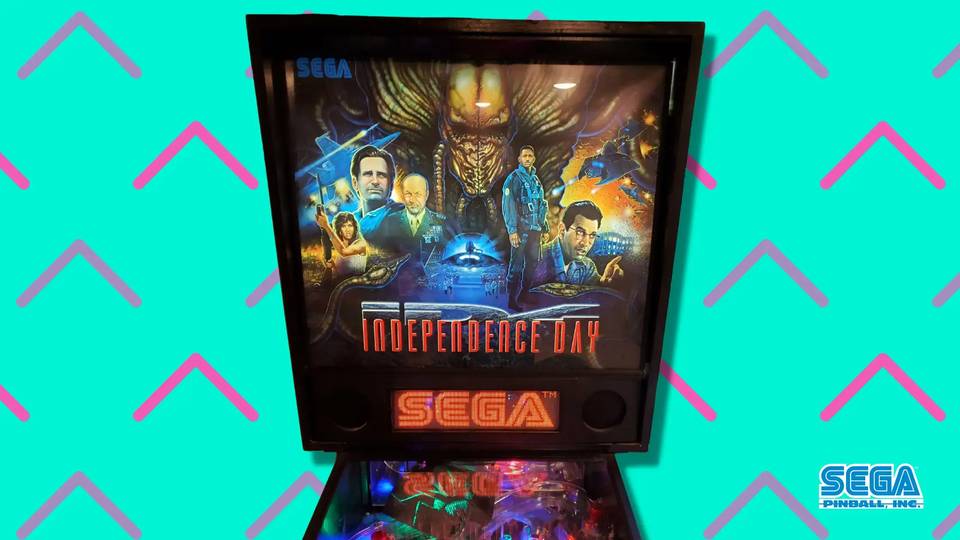
Independence Day
199686/100 (26)Sega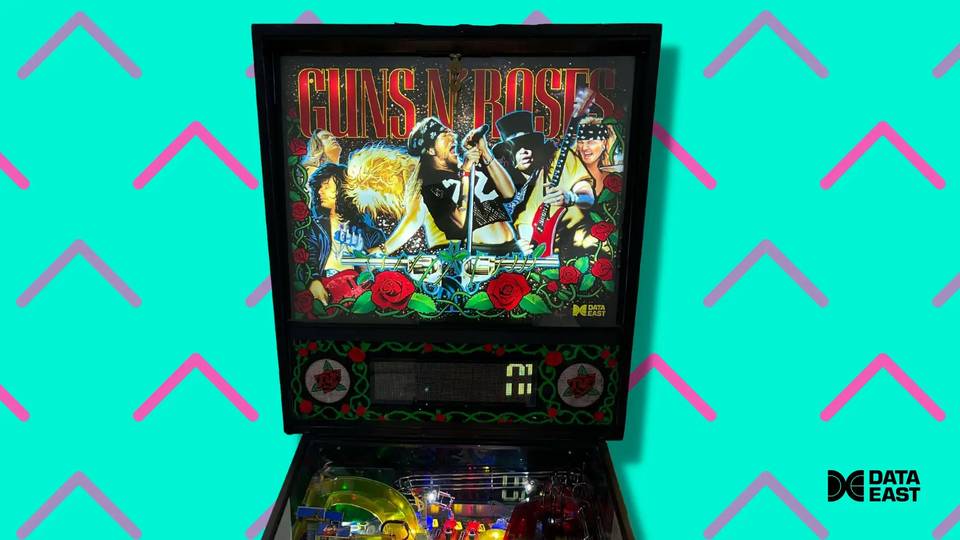
Guns N' Roses
199486/100 (5)Data East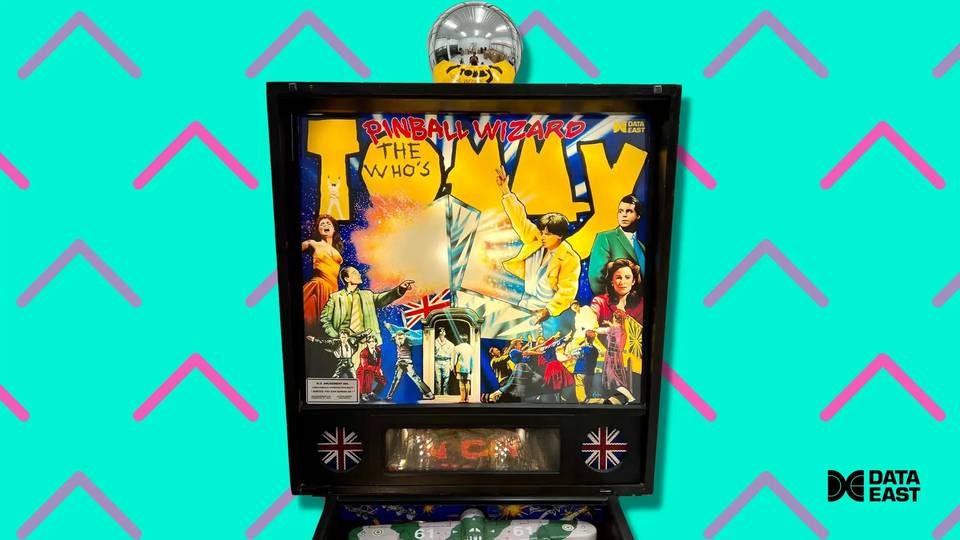
The Who's Tommy Pinball Wizard
199482/100 (10)Data EastAlso Art
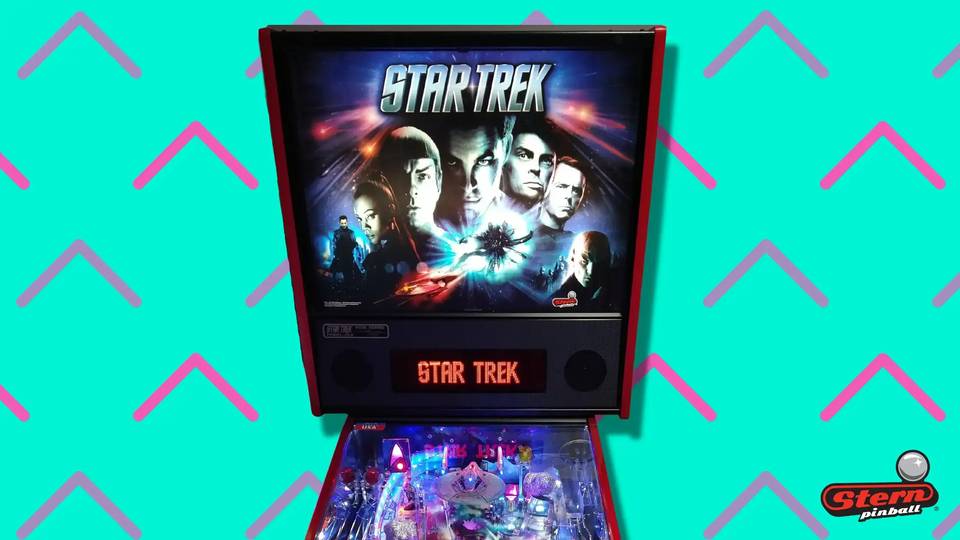
Star Trek
201380/100 (5)Stern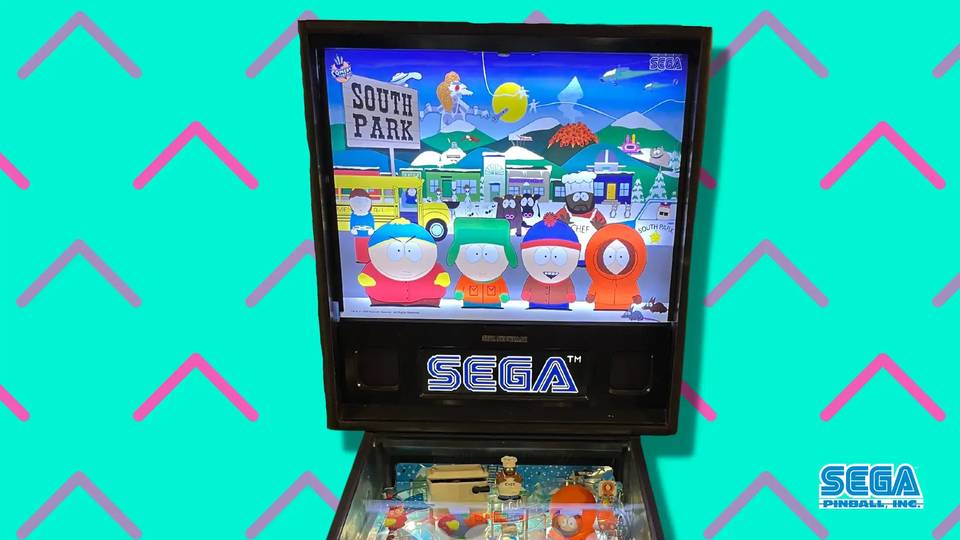
South Park
199963/100 (7)Sega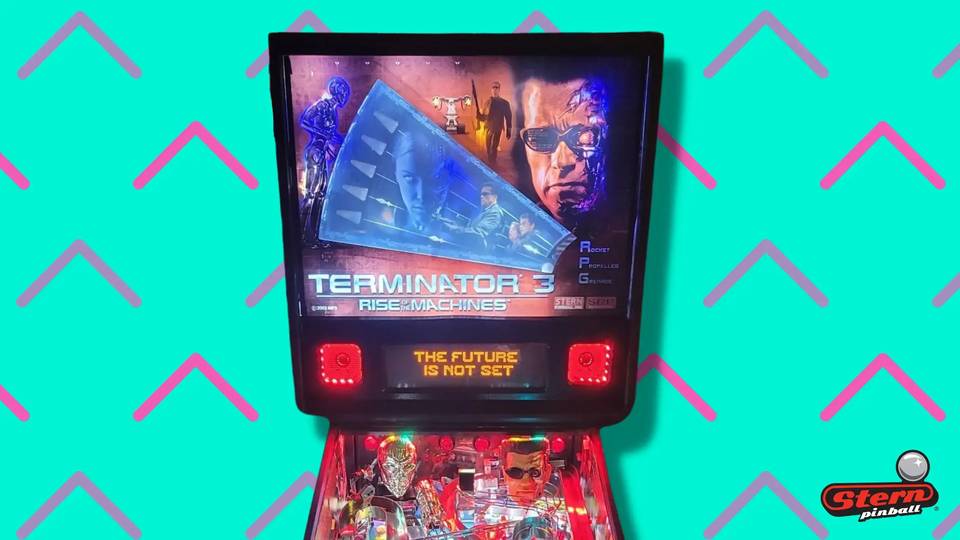
Terminator 3: Rise of the Machines
20034 ratings so farStern
Adventures of Rocky and Bullwinkle and Friends
19933 ratings so farData East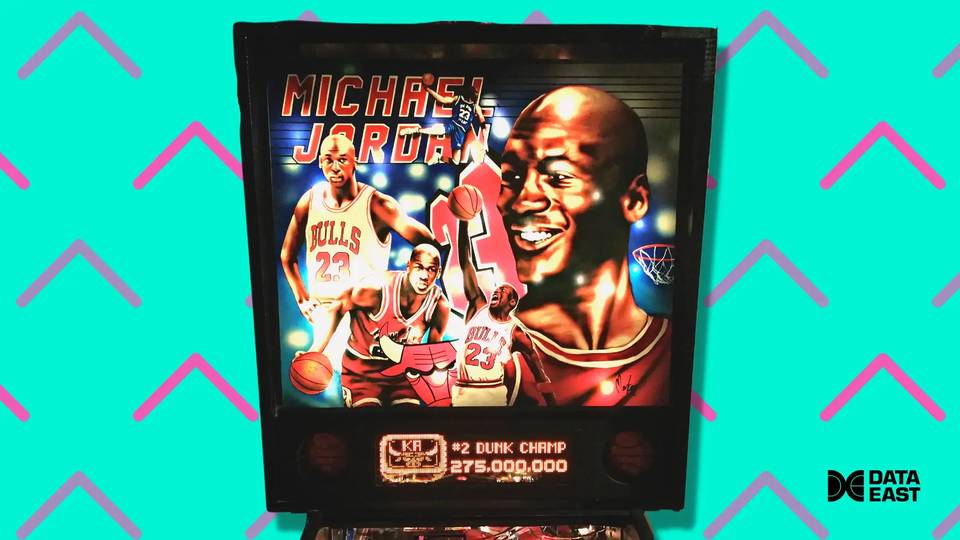
Michael Jordan
19923 ratings so farData EastAlso Art
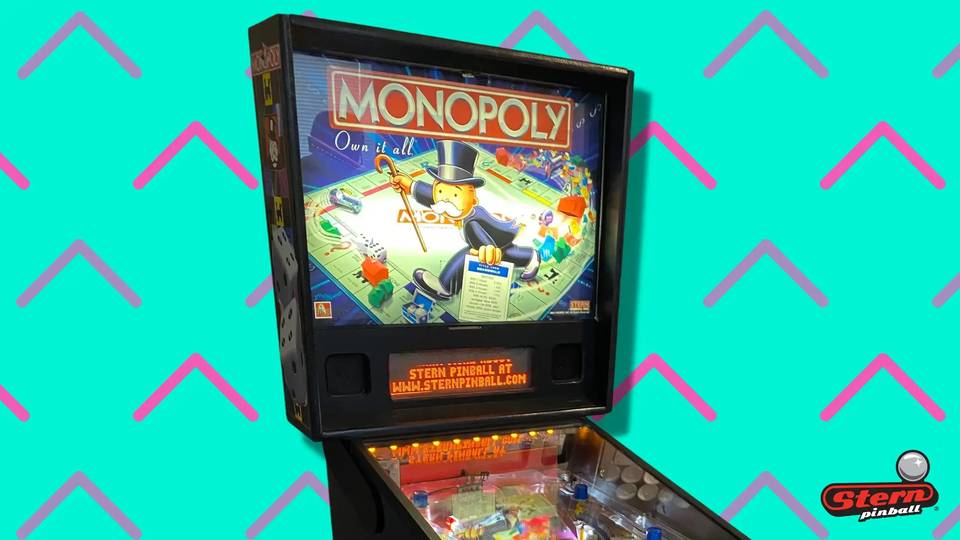
Monopoly
20013 ratings so farSternAlso Art
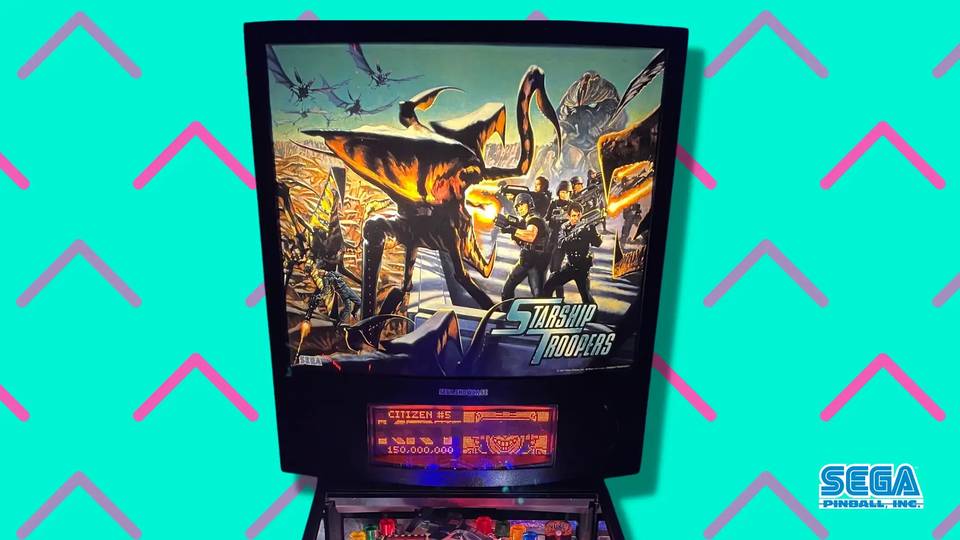
Starship Troopers
19973 ratings so farSega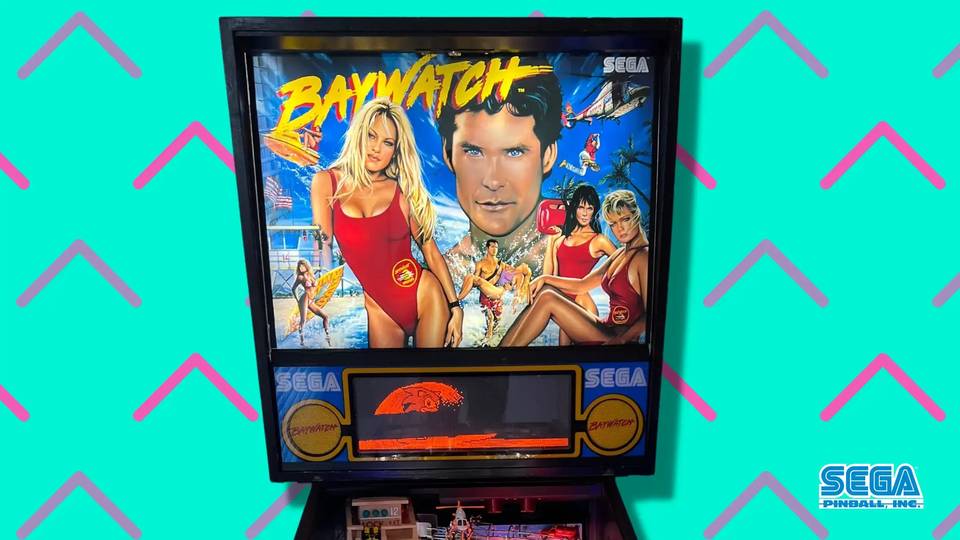
Baywatch
19952 ratings so farSega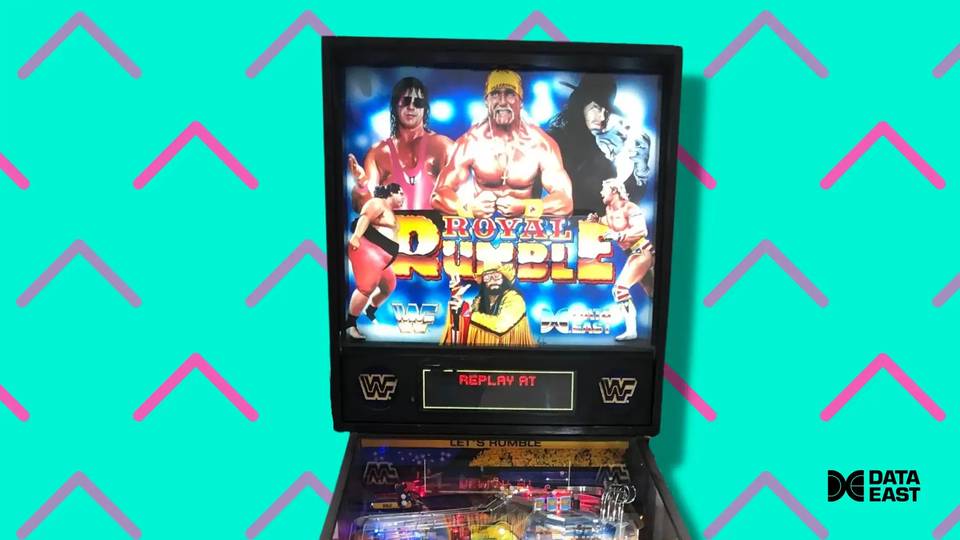
WWF Royal Rumble
19942 ratings so farData East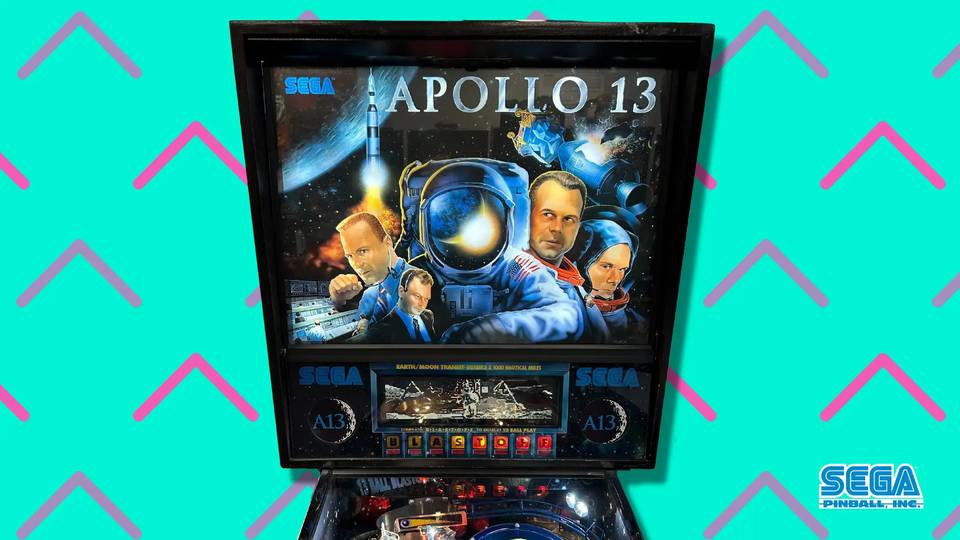
Apollo 13
19951 rating so farSega
Batman Forever
19951 rating so farSega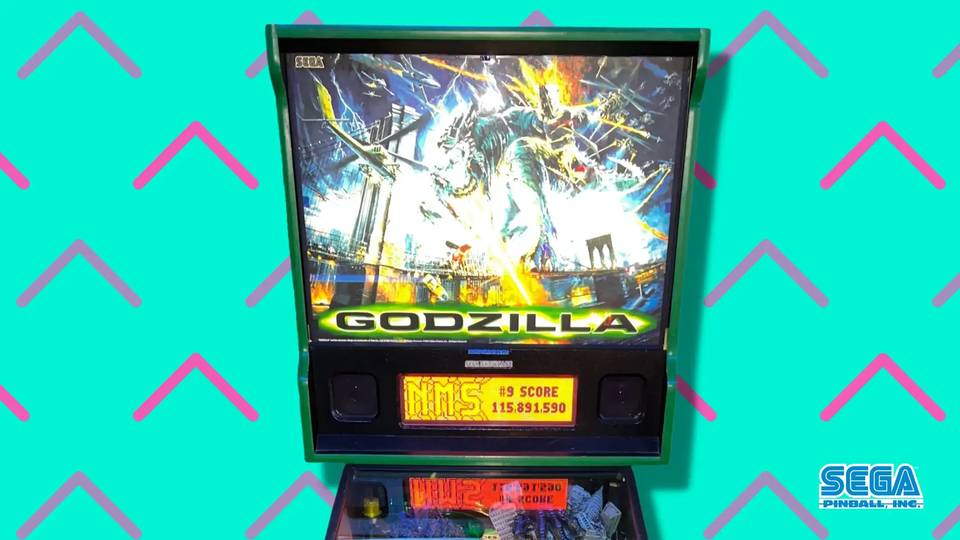
Godzilla
19981 rating so farSega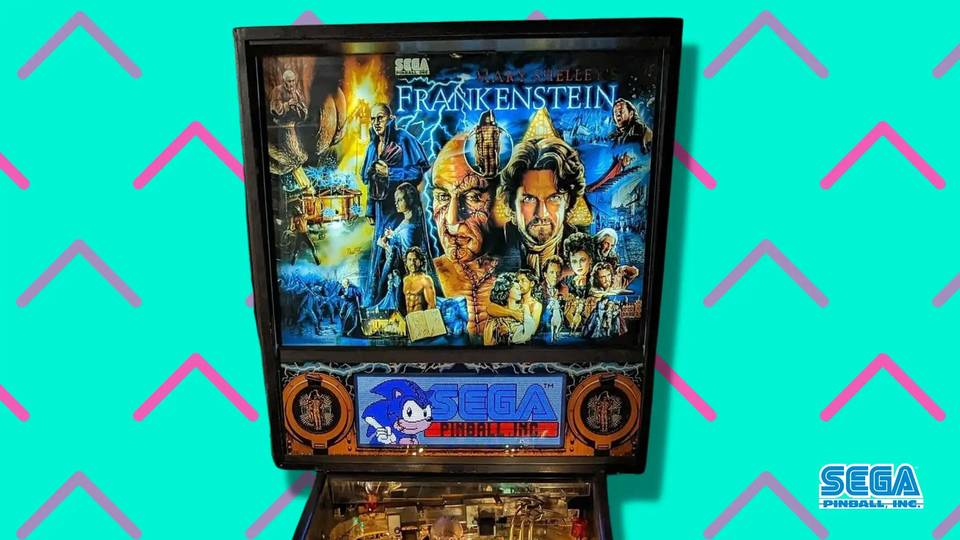
Mary Shelley's Frankenstein
19951 rating so farSega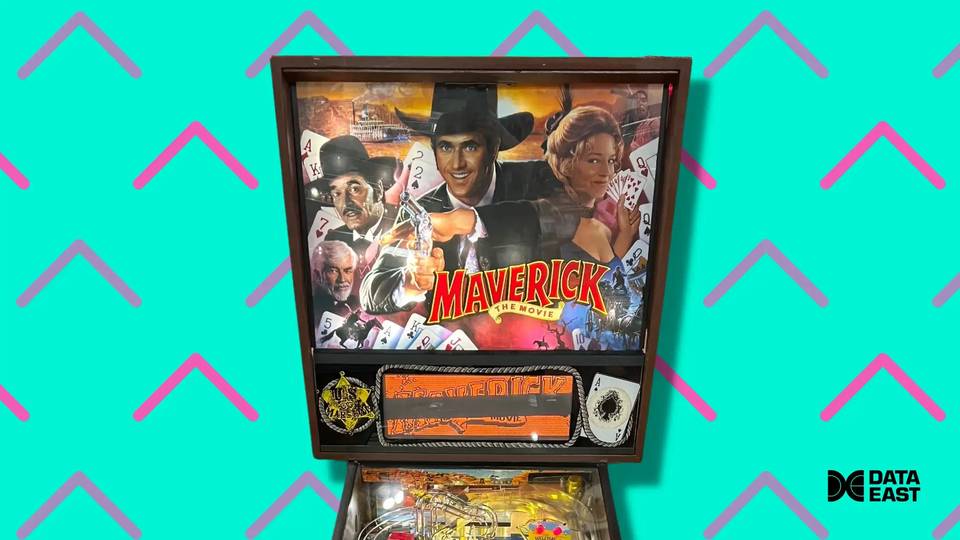
Maverick
19941 rating so farData East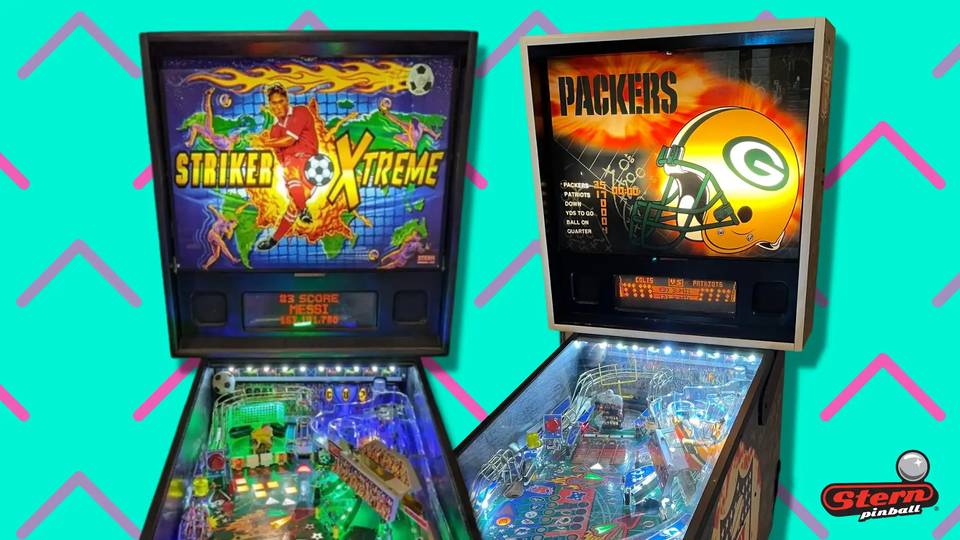
Striker Xtreme / NFL
20001 rating so farSternAlso Art
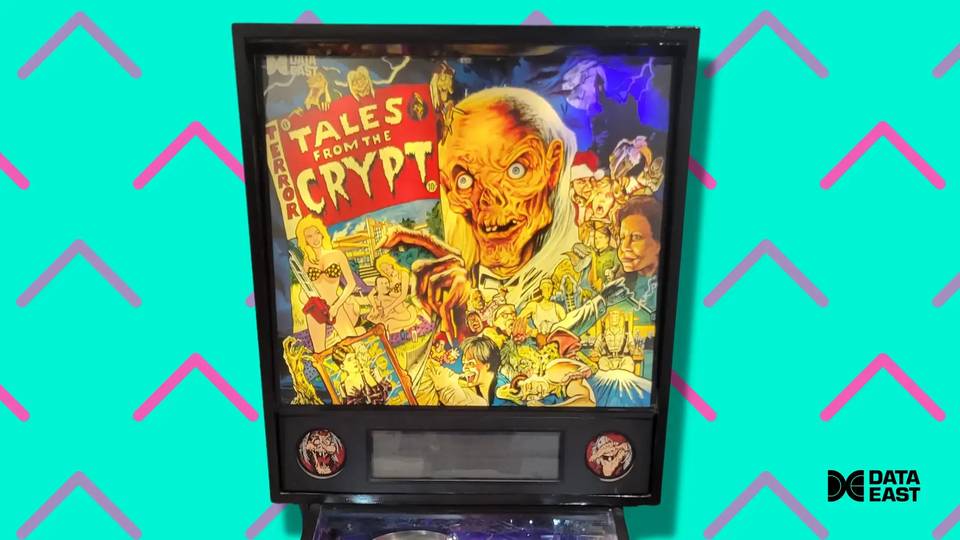
Tales from the Crypt
19931 rating so farData EastAlso Art
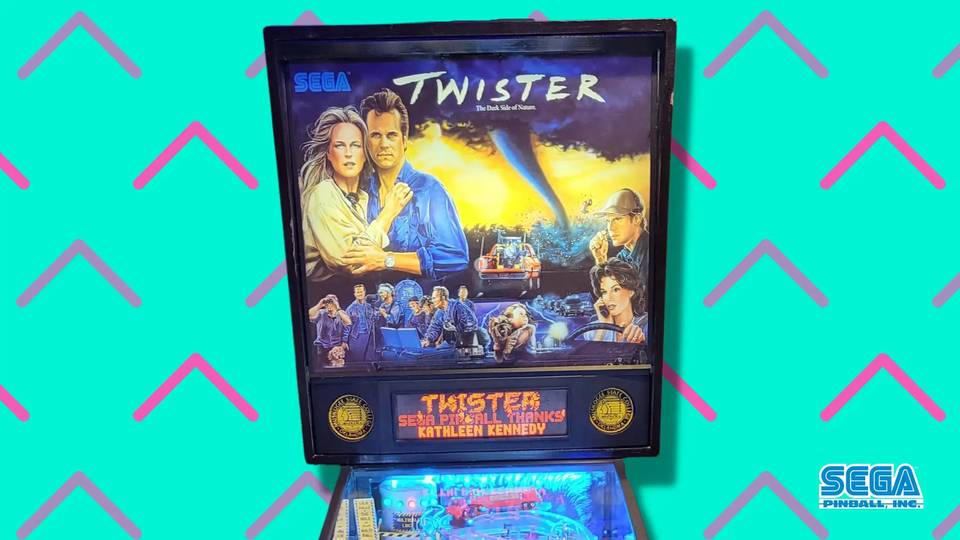
Twister
19961 rating so farSega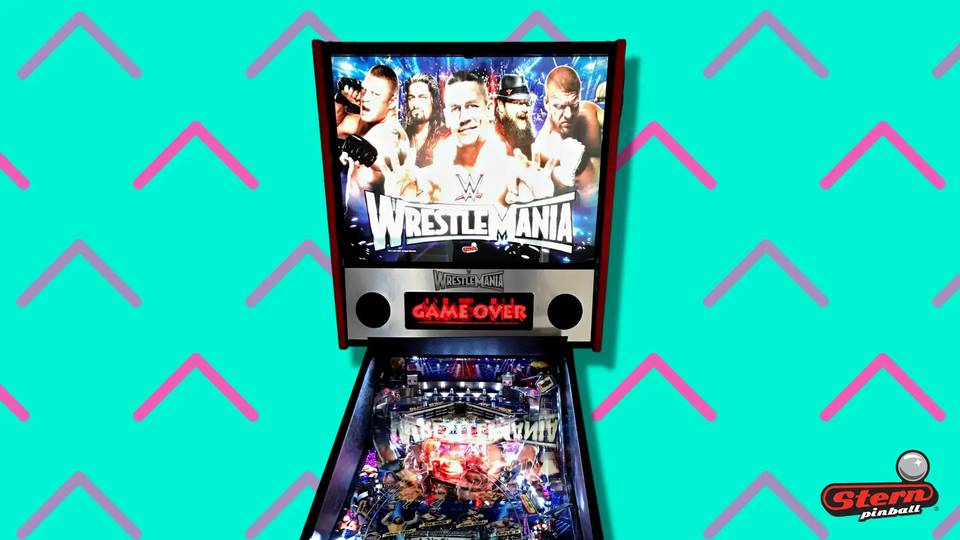
WrestleMania
20151 rating so farStern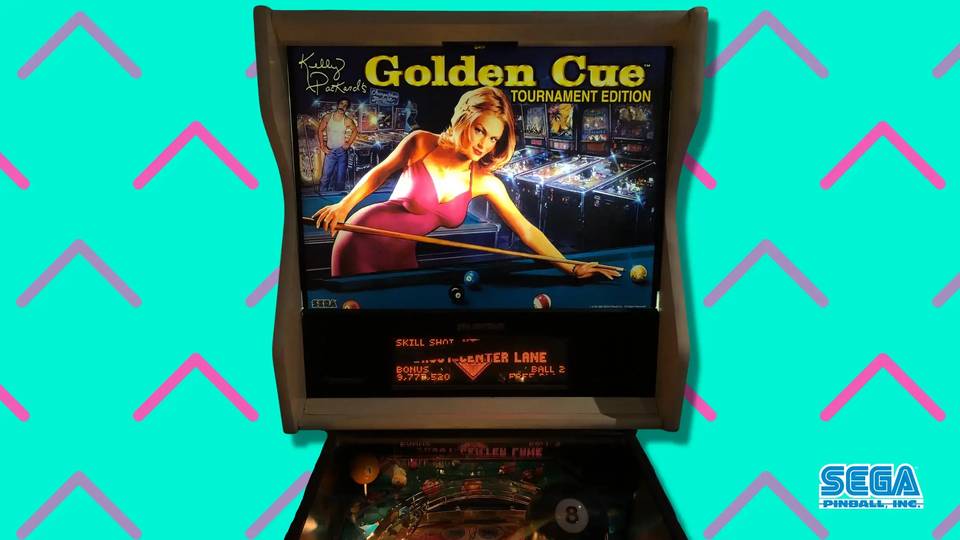
Golden Cue
1998Sega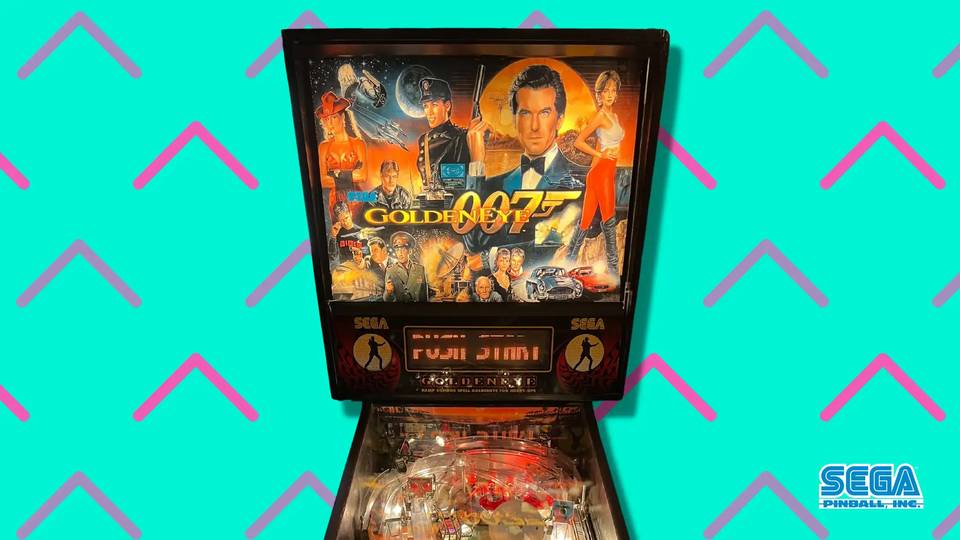
Goldeneye
1996Sega
Harley Davidson
1999Stern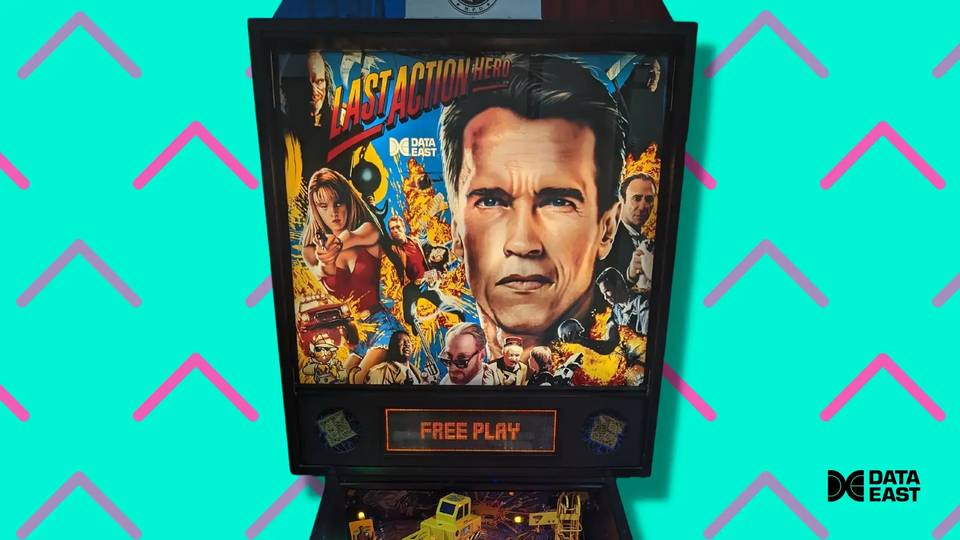
Last Action Hero
1993Data East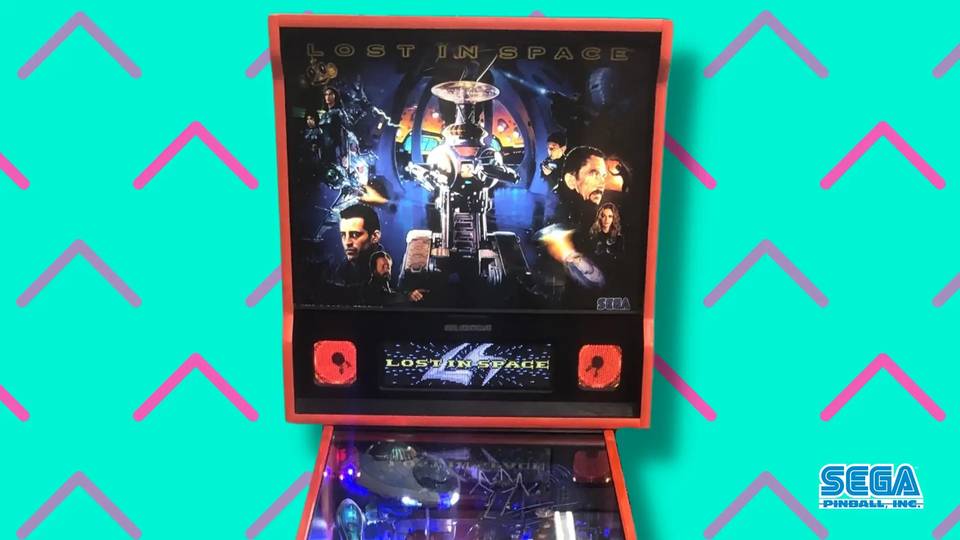
Lost In Space
1998Sega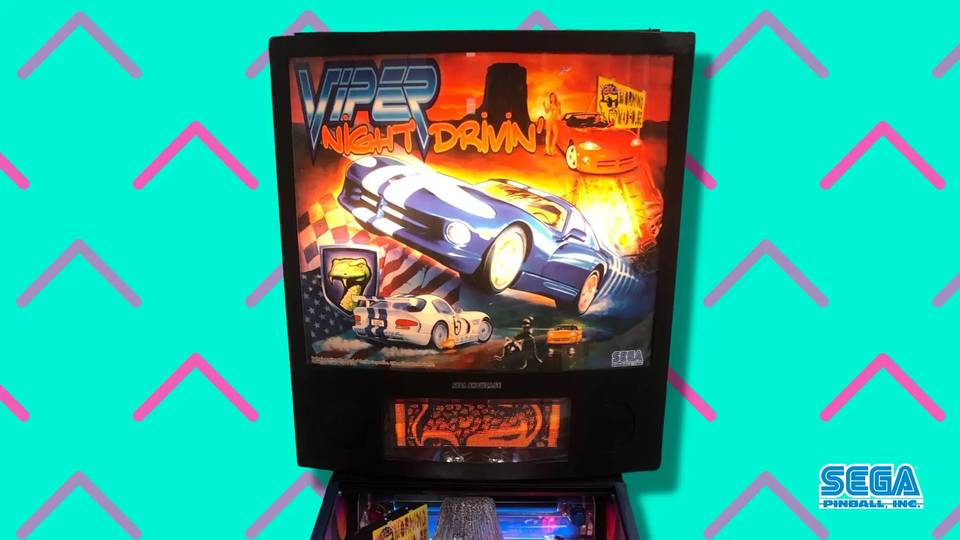
Viper Night Drivin'
1998Sega
About
Kurt Andersen is a noted artist and animator who made significant contributions to the pinball industry from the early 1990s through the early 2000s, primarily at Data East, Sega Pinball, and Stern Pinball. His work focused on dot-matrix display (DMD) animations and game artwork, beginning when pinball manufacturers transitioned from static score displays to DMDs that could show more dynamic visual content. Andersen’s animations appeared in titles such as Jurassic Park (1993), Tales from the Crypt (1993), The Who’s Tommy Pinball Wizard (1994), Batman Forever (1995), Apollo 13 (1995), and The Lord of the Rings (2003). By collaborating closely with designers and programmers, he helped integrate visual storytelling into gameplay, contributing to the thematic depth and commercial success of each machine.
Andersen’s efforts were emblematic of broader industry shifts toward more immersive and licensed pinball games during a time of technological change and growing competition from video games. His work influenced hardware decisions—for instance, Sega’s use of larger DMDs in games like Baywatch and Batman Forever—and helped establish narrative conventions that continue to shape modern pinball. After leaving full-time pinball production in the 2000s, Andersen applied his multimedia skills to other fields, but his animations and art remain visible in many popular machines and continue to inform current approaches to pinball display design.
Mentioned in
Page updated April 2026 · Suggest a correction