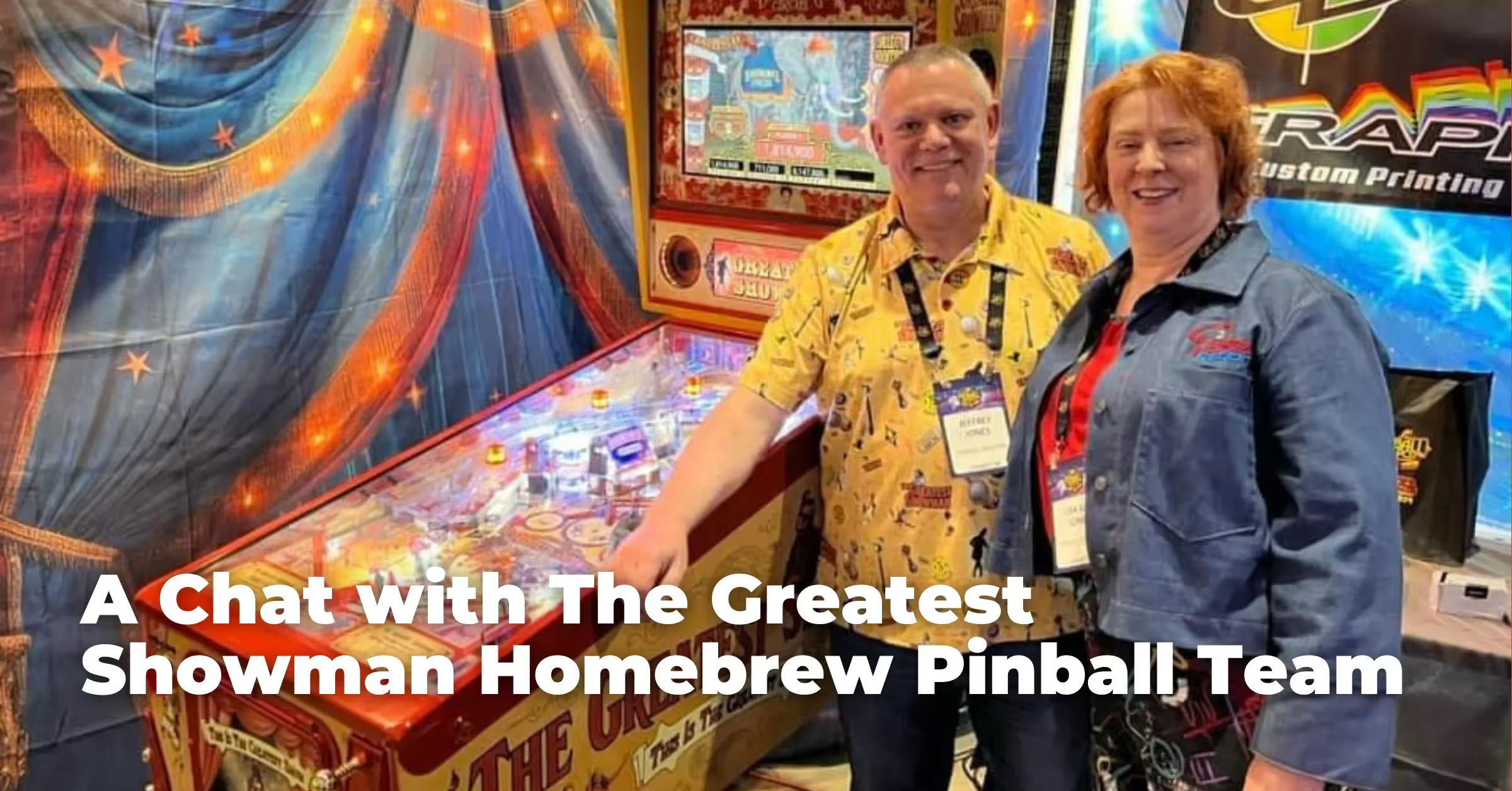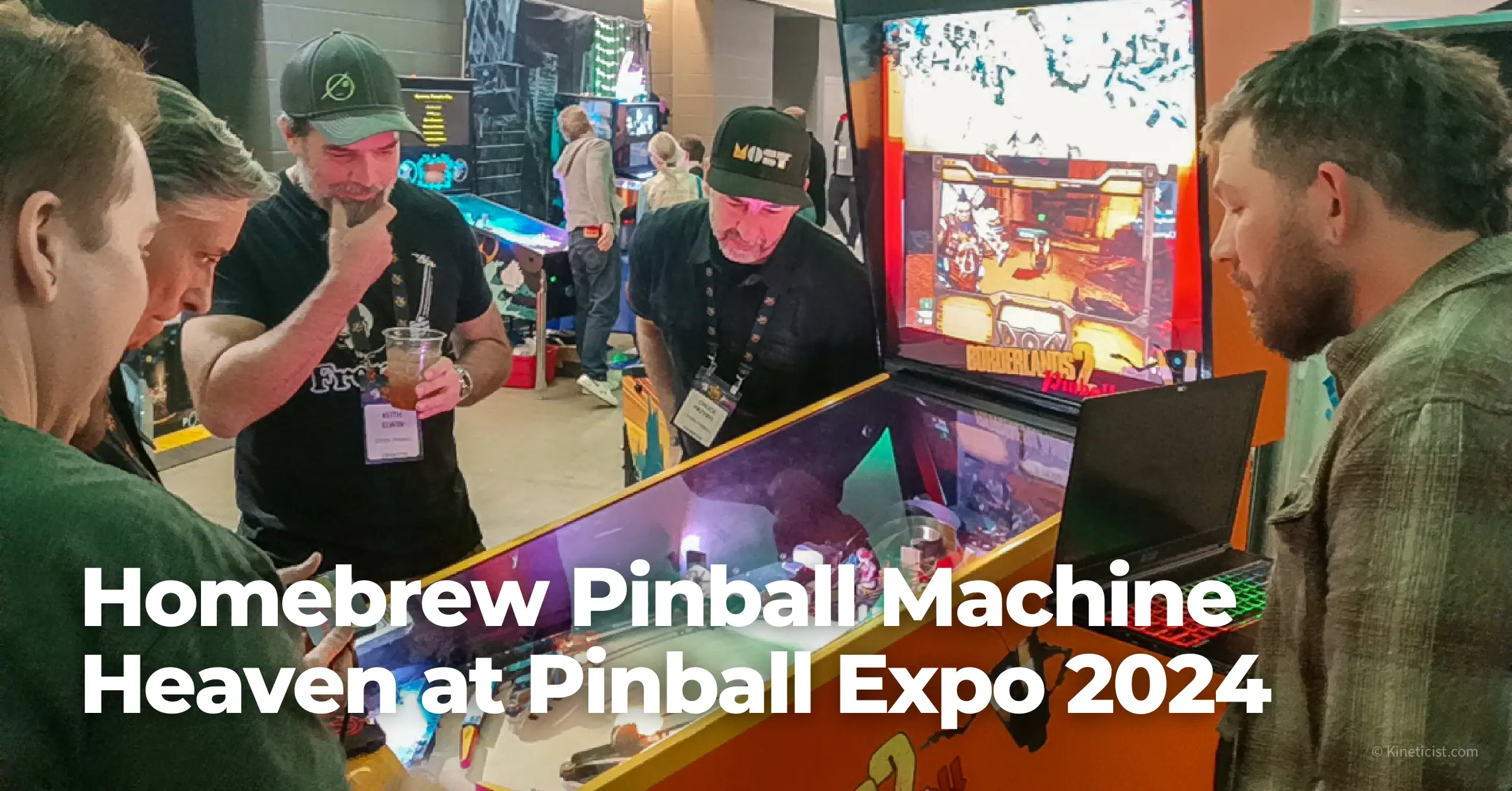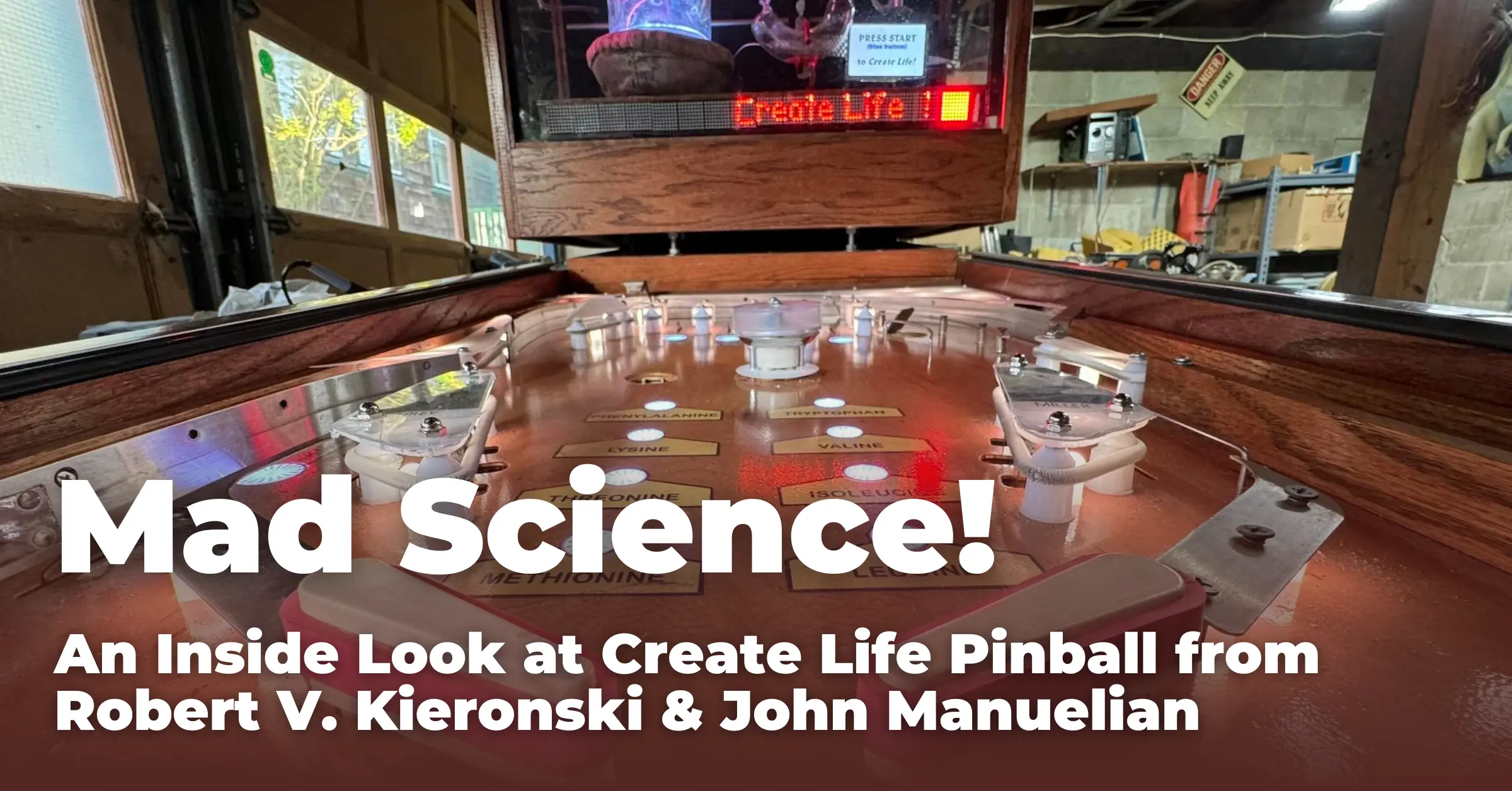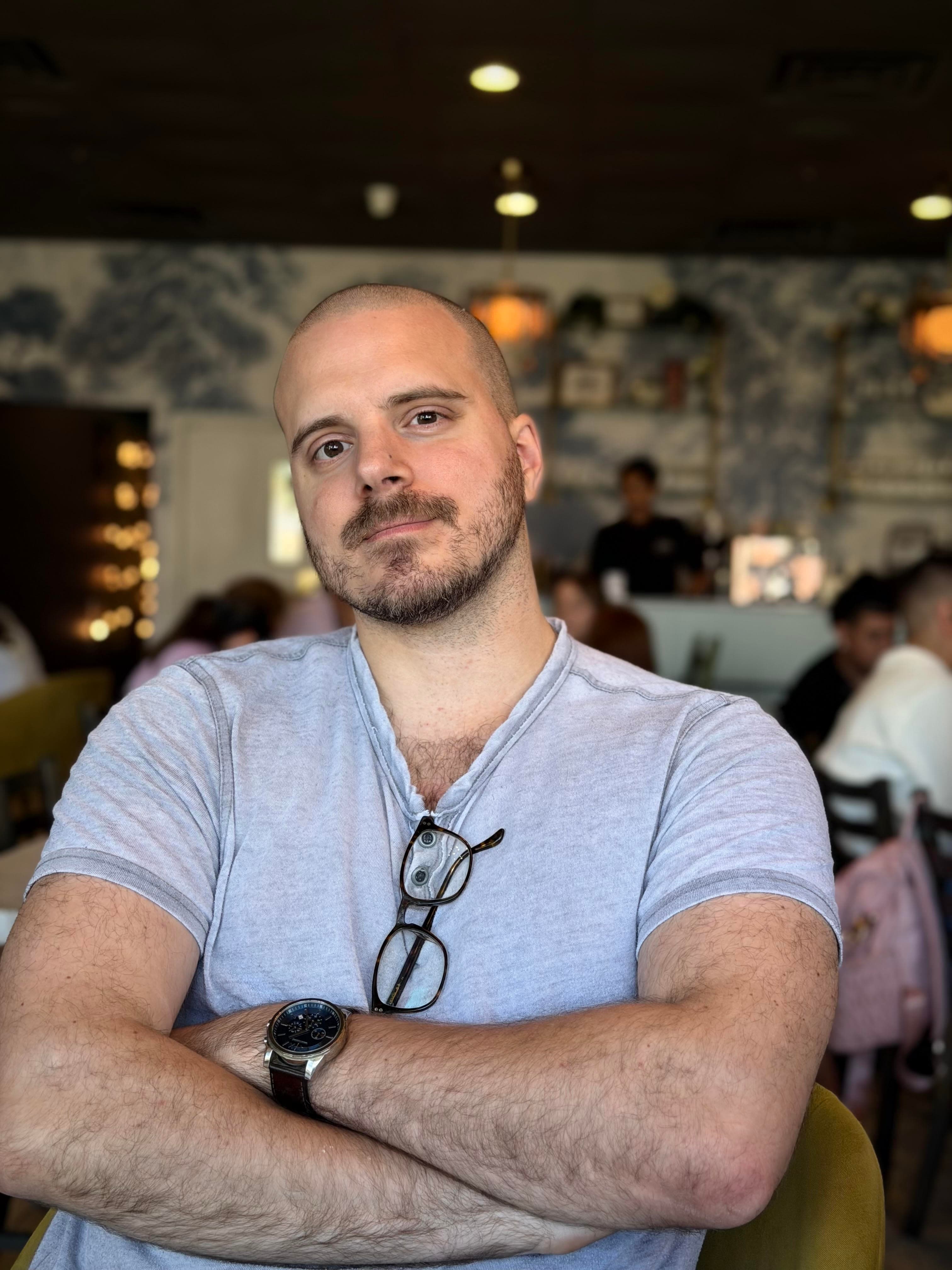
"I was a B-52 Weapons System Operator. I have 700 combat hours. I've been deployed to Diego Garcia three times, Afghanistan, Turkey, Al Udeid, and some other places. Now I make pinball machines. Life is strange." – Kyle Smet, Designer of Big Trouble in Little China
A Night No One Remembers
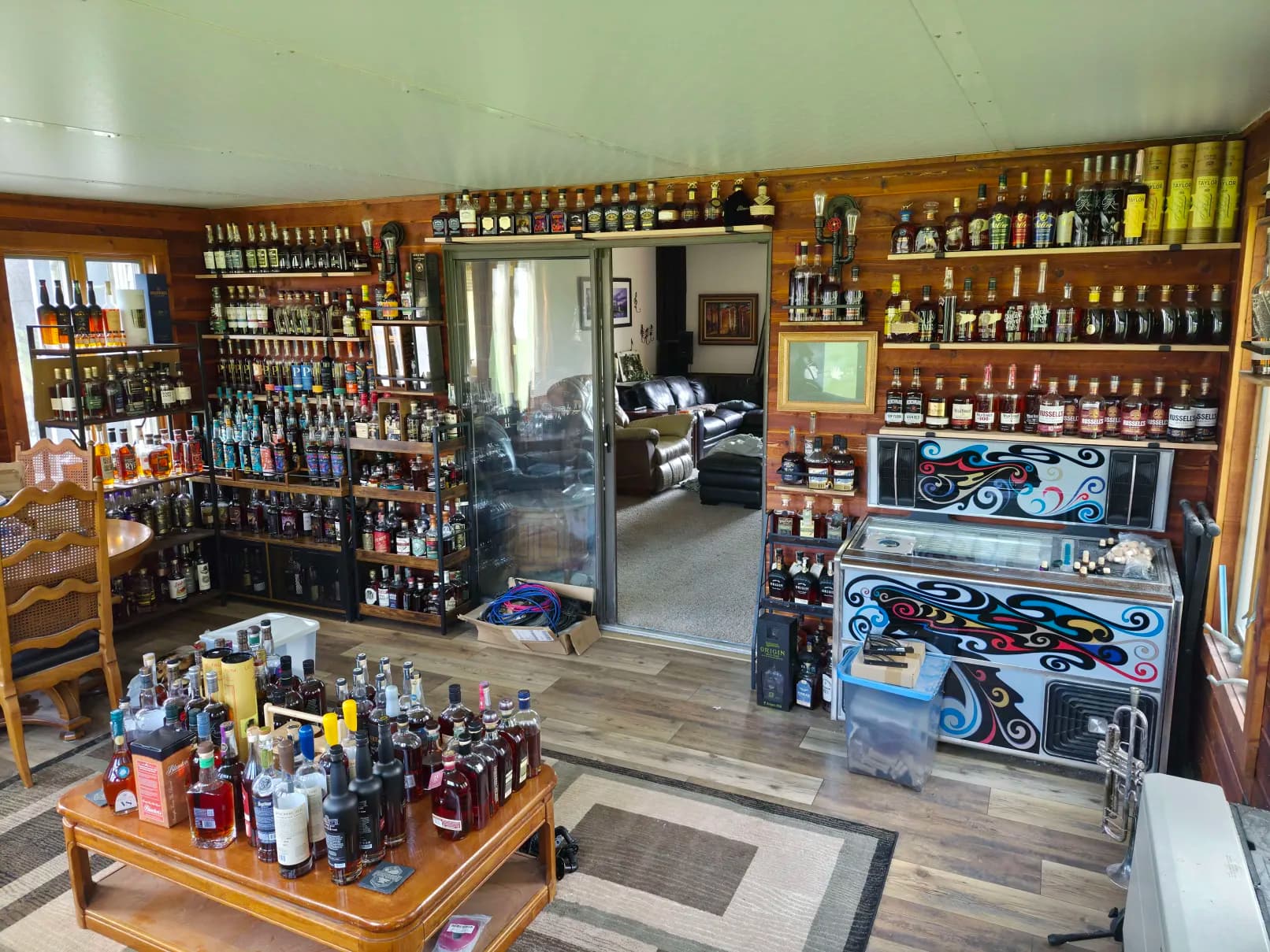
It’s hard to stress how difficult it is to write about the origins of a company when every person involved with said origins was a bit too intoxicated to remember precisely how it all began. What is certain about that night is that there were good friends, there was brisket, there was ‘a museum of bourbon,’ and there was a flamethrower.
“But not like a World War 2 flamethrower,” Kyle Reed assured me. “I don’t want people getting the wrong idea; it was more for clearing brushfires.”
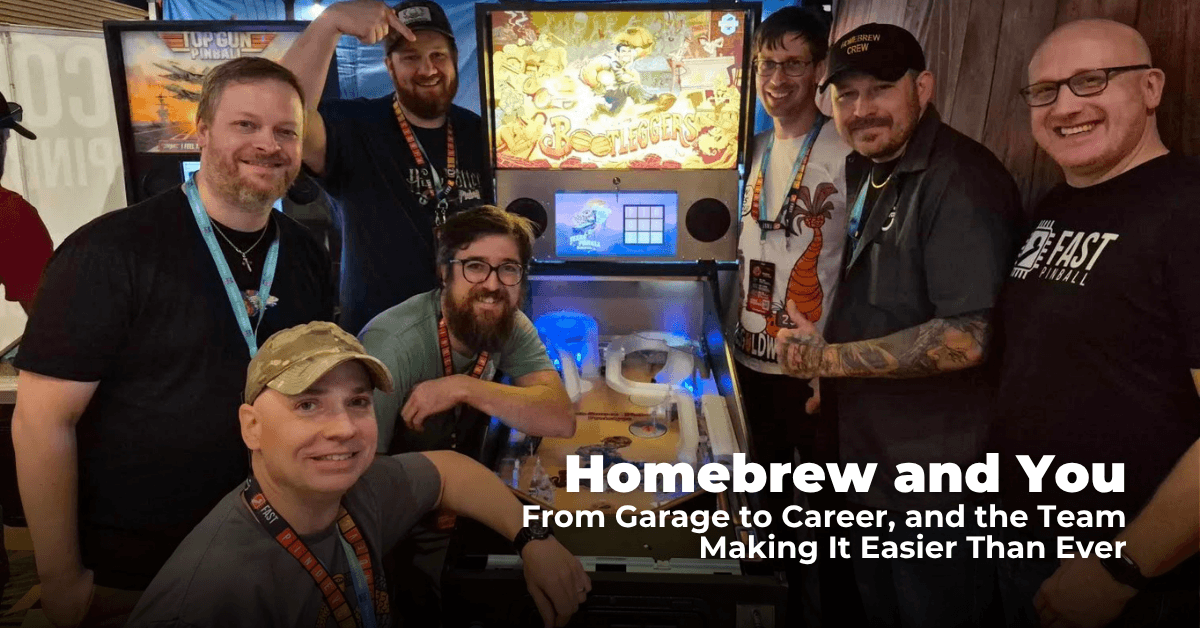
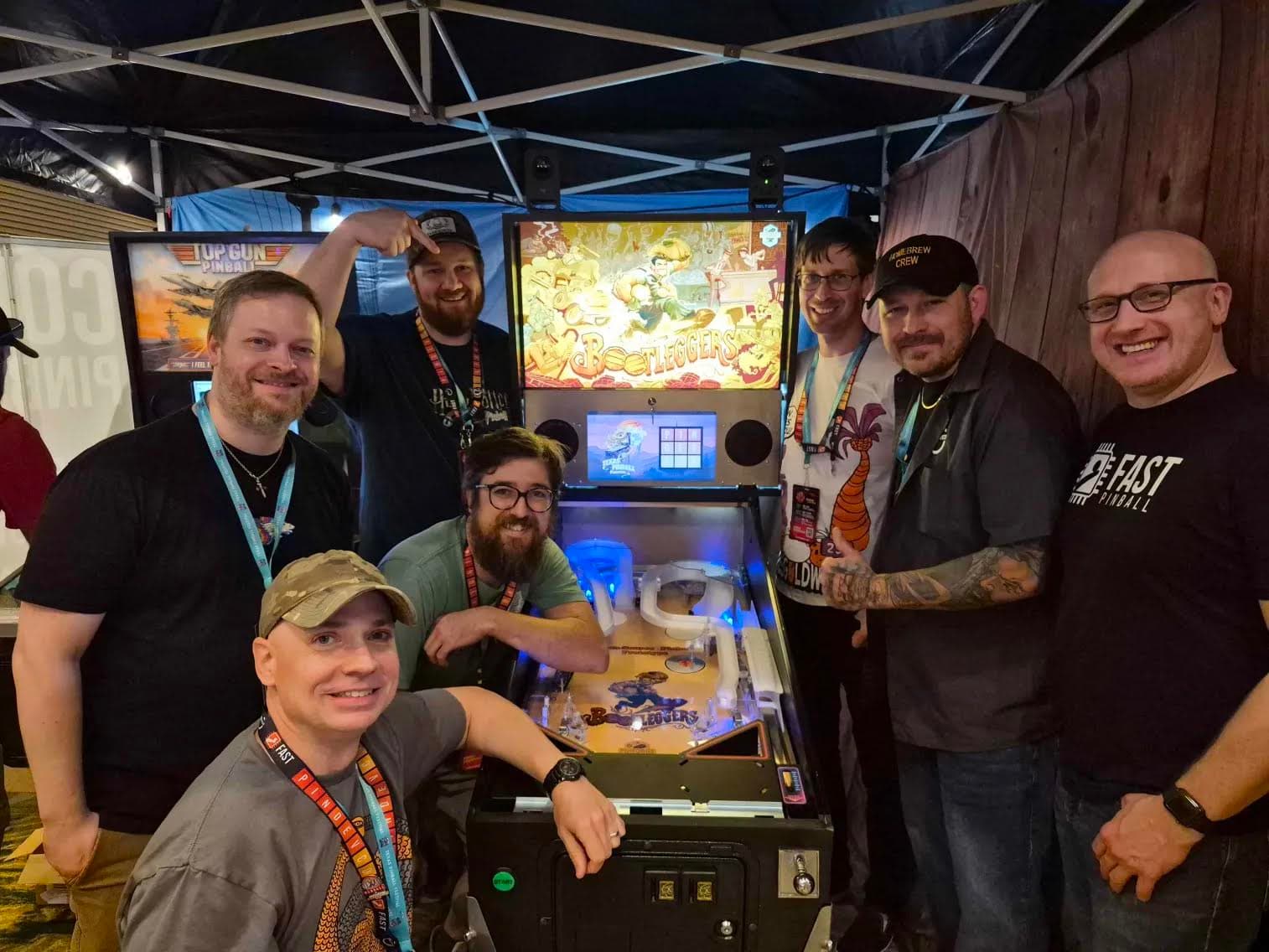
If you watch Marco Pinball’s clips of the 2026 Texas Pinball Festival, Kyle belongs to a group they dub “the Avengers” of homebrew pinball, and quite fairly so. The team of seven consists of various engineers and other overqualified, moderately neurotic specialists, including FAST Pinball’s co-founder, Aaron Davis, whose systems have supplied Barrels of Fun, Pinball Brothers, and Pedretti.
“They had me at 'we're having brisket,'” Aaron told me, “and I just showed up and was like, so what are we all doing here?"
Kyle Reed had been mulling over the idea of an open-source pinball company for some time, something that would make building a homebrew pinball machine as approachable and accessible as possible. To make this happen, he called upon some of the most prolific homebrew devs from across the country for brisket and drinks in Michigan back in May of 2025.
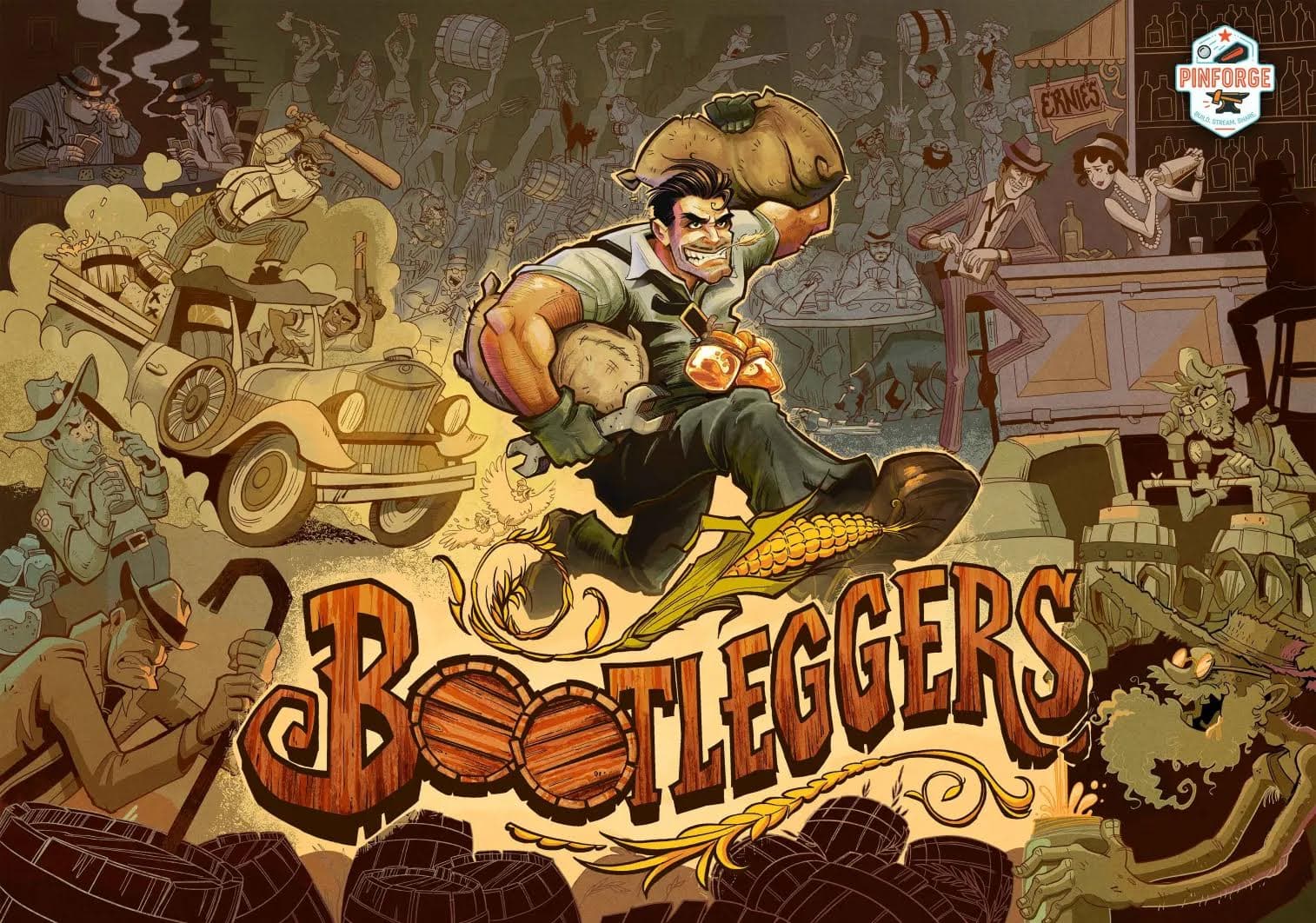
Reed had invited a diverse bunch, Ernie Silverberg of Marco Specialties and Monsters Inc, Kyle Smet who at the time was secretly crafting a Big Trouble in Little China homebrew, and mech designer Nick Morand of Turbo Time. Quite a few bottles later, it got done, the conceptualization of Bootleggers, a rather fitting pin about smuggling alcohol during prohibition.
What made this pin unlike anything else in pinball is that every single step of its construction was to be fully documented for the public, with the goal being that anyone who wished to make their own machine could use it as reference. “It’s not a company,” Aaron once told me, “it’s an endeavor.”
The team rounded out with Alex Lobascio and Jeff Palmer to officially launch in November of 2025, and just a few months later, Jersey Jack Pinball designer Steve Ritchie walked past the Pinforge tent at Texas Pinball Festival to mutter loudly at them, “Great, another competitor.”
“We’re crossing that line from homebrew into indie pinball,” Aaron said. “There’s a professional layer to it that is not mass production, but done with the same fit and finish attention.”
A Corner of the Garage
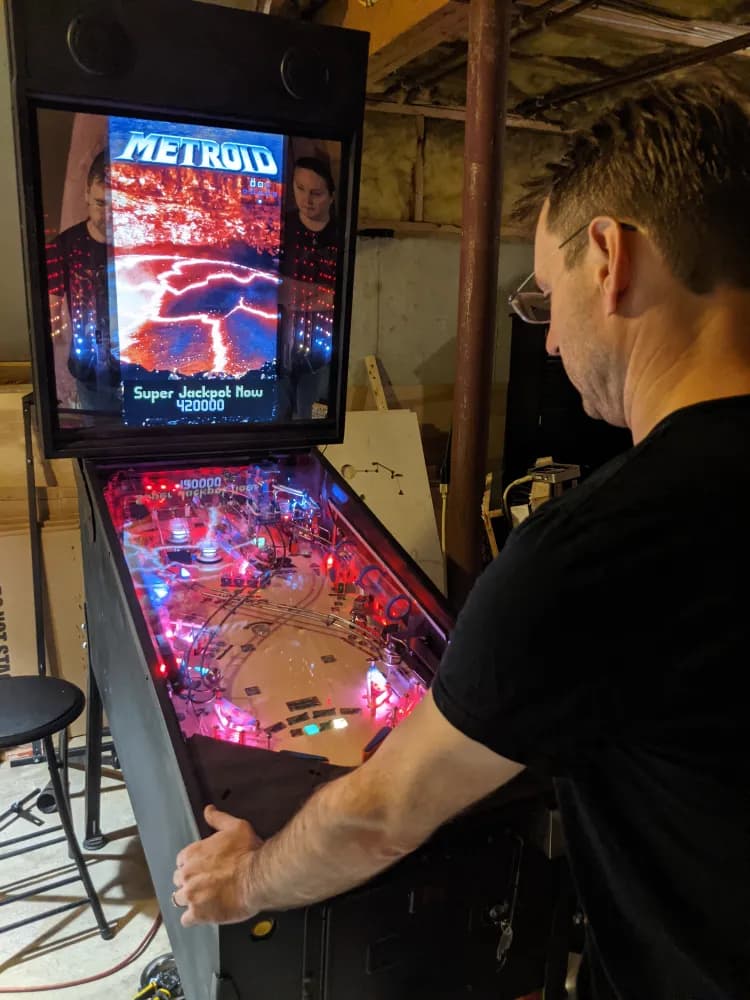
To truly know pinball is to know the importance of homebrew within its ecosystem. Long, long gone are the days when Williams’ legend Steve Kordek could stumble into a career in pinball simply by dodging into Genco Manufacturing headquarters to escape the rain; you truly have to prove it now.
This is by no means a new development — excavate Pinside forums nearly ten years back and you'll find TheArrrrcade, better known now as Jersey Jack's designer Mark Seiden, discussing plans to strip a Data East Jurassic Park to make Metroid. All this after being inspired by one homebrew panel at Pintastic.
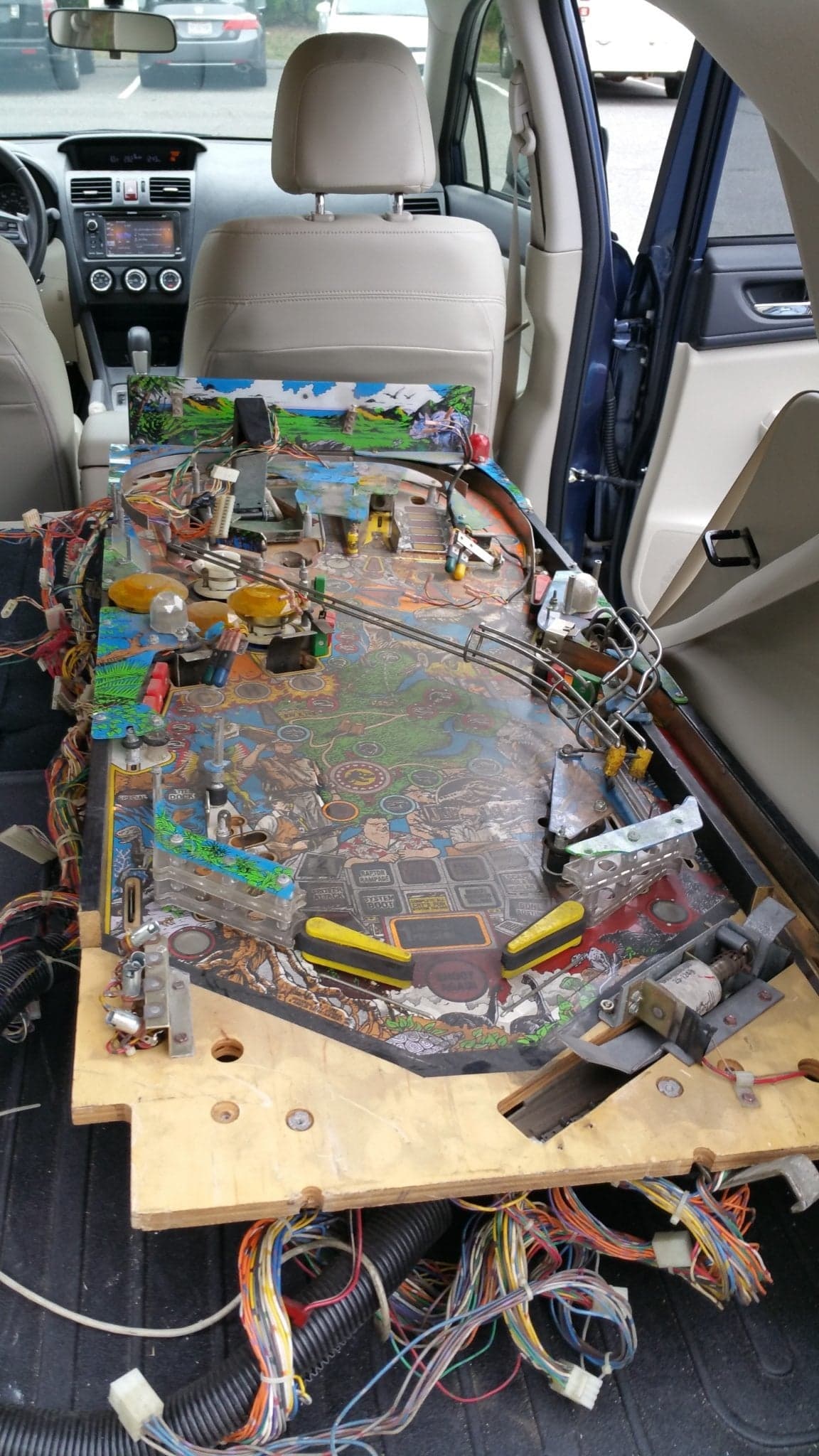
I asked Mark if he would still have built from Jurassic Park, and he said yes, except with a better-conditioned playfield. Understandable, as you can see through his photos, a Data East JP in absolutely abhorrent condition, wedged into the back of a Sedan before being wedged into the corner of a garage. Each part had to be rebuilt until only the pop bumpers remained. “Having rusty parts forced me to remake some of them,” he mused, “and in doing so, I changed them into something better suited for the design.”
"It would have been incredible," he told me, "if there were more people doing it locally. Getting feedback from people going through the same process is extremely valuable. They always have some ideas you didn't think of, or have already made the same mistake you're about to make."
And that was just the reality of homebrew at the time; every problem is yours alone, as is every hat to wear.
Fortunately, the homebrew community Mark wished existed has since produced Nick Morand.
Purveyor of Cool Shit
I’ve heard the joke a few times now, that to know which games Nick worked on, you can just gesture vaguely at the homebrew section. Coming from a tourist town riddled with arcades, he wanted to build a robot as a kid. Then he saw Funhouse’s Rudy, and that was that.
The mechanical engineer has since designed mechs for pins across the community; a grill lock and spatula diverter for King of the Hill, a Cat Bus ball lock for Totoro, and within the annual Pinball Expo of 2025 in Chicago, he crafted the pneumatic flipper system for the world’s unofficial largest pin Mothership in under two weeks.
When asked why he does it for free, he told me, “Time is the currency. Because everyone’s working full time anyway.”
His role in Pinforge is quite fitting for what homebrew is becoming: the resource Mark wished he had when rebuilding wire ramps in his garage.
And Nick isn’t an anomaly in the community. Today, builders who stumble at any step of the way, it’s likely someone’s already made that step their specialty, and they’re more than willing to help. It’s an ecosystem of specialists, and it gets bigger every year.
“My life is now building cool shit with amazing people around the world,” Aaron laughed. And ‘cool shit’ is king in the homebrew community; with no license restrictions, the Discord regularly reminds you there are no rules here, you can and should do whatever you want. This inevitably spawns the cool shit that draws attention.
Another Nick, Nick Neitzel, is a perfect example of this, having built a Tony Hawk Pro Skater Pinball machine for nearly four years. Full of halfpipes, ramps, loops, grindrails, the world under glass is literally a skate park. A regular on the homebrew channels, Nick N would stop in every so often to offer advice or a deal he found. In 2024, Tony Hawk won the best homebrew game of the year in the annual TWIPYs with over 600 votes. Every so often, the right machine finds the right eyes.
Sweet Home Chicago
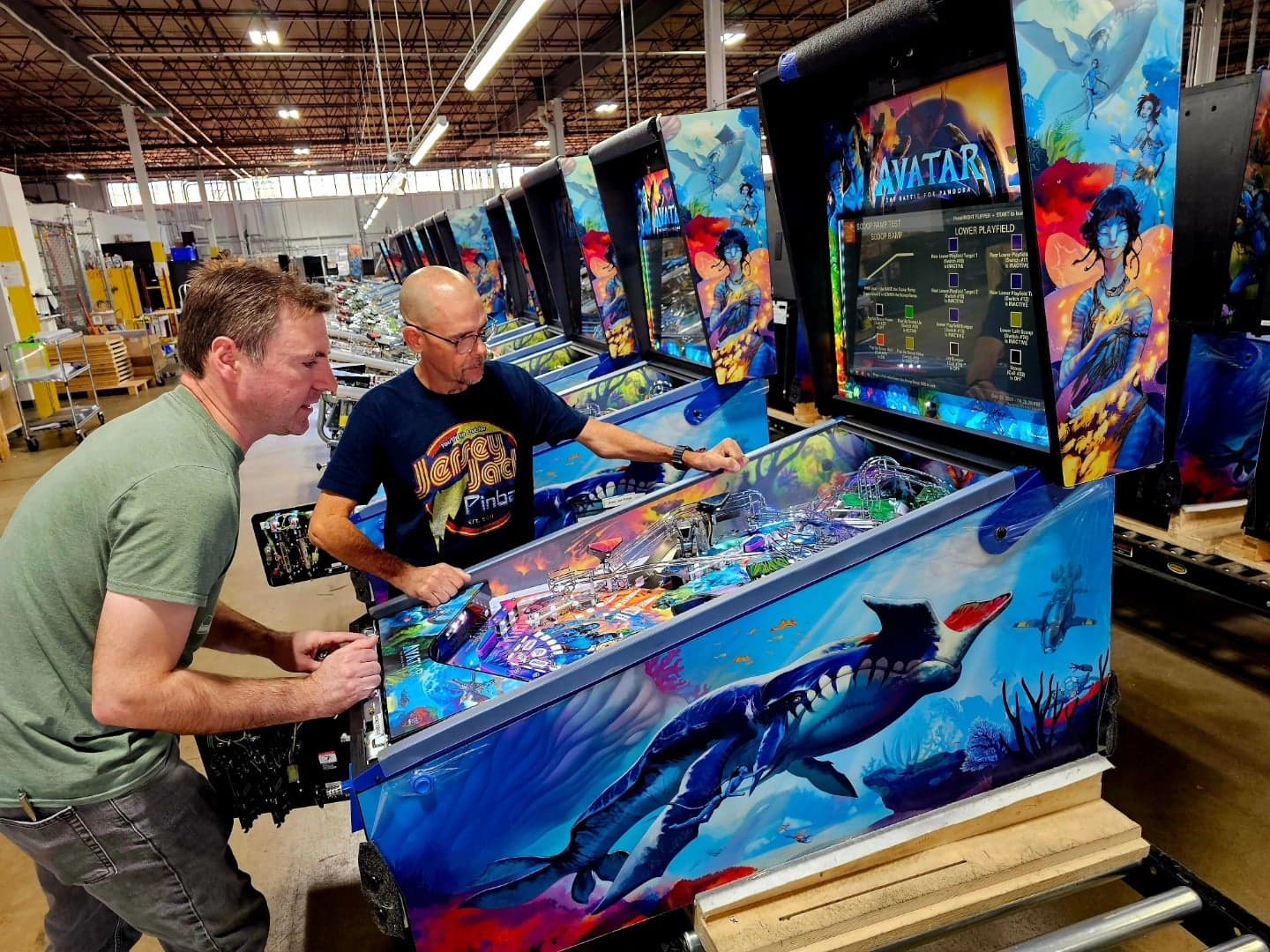
In April of 2021, JJP designer Eric Meunier reached out to Mark Seiden to ‘talk about pinball.’ By the end of the call, Mark was asked if he was interested in any position at JJP, to which he immediately responded game designer.
What followed were rounds of Zoom interviews through May and June, the final one with Pat Lawlor. “At the end, he commented, ‘You remind me of me. A software guy who built a pinball machine in his garage.’ At that point, I realized that I might get the job.” Mark accepted the position in July and started in October. He just had to figure out a way to move halfway across the country.
You know Mark’s work from Jersey Jack’s Avatar: The Battle for Pandora, an utterly stunning pin released nine years after he first sat down at a homebrew panel at Pintastic. I asked Mark if his design philosophy had changed, ever since he lost the constraints of homebrew.
“When working mostly by yourself, you think in terms of ‘is this something that I can pull off with my know-how and tools?’” He replied. “Now, I can just imagine something, and the team works to pull it off. It was difficult at first to pull myself out of that initial mindset after being in that position for so long. But now, especially in my next project, we’re coming up with some cool mechanisms that I could never create by myself.”
And Now For Something Completely Different
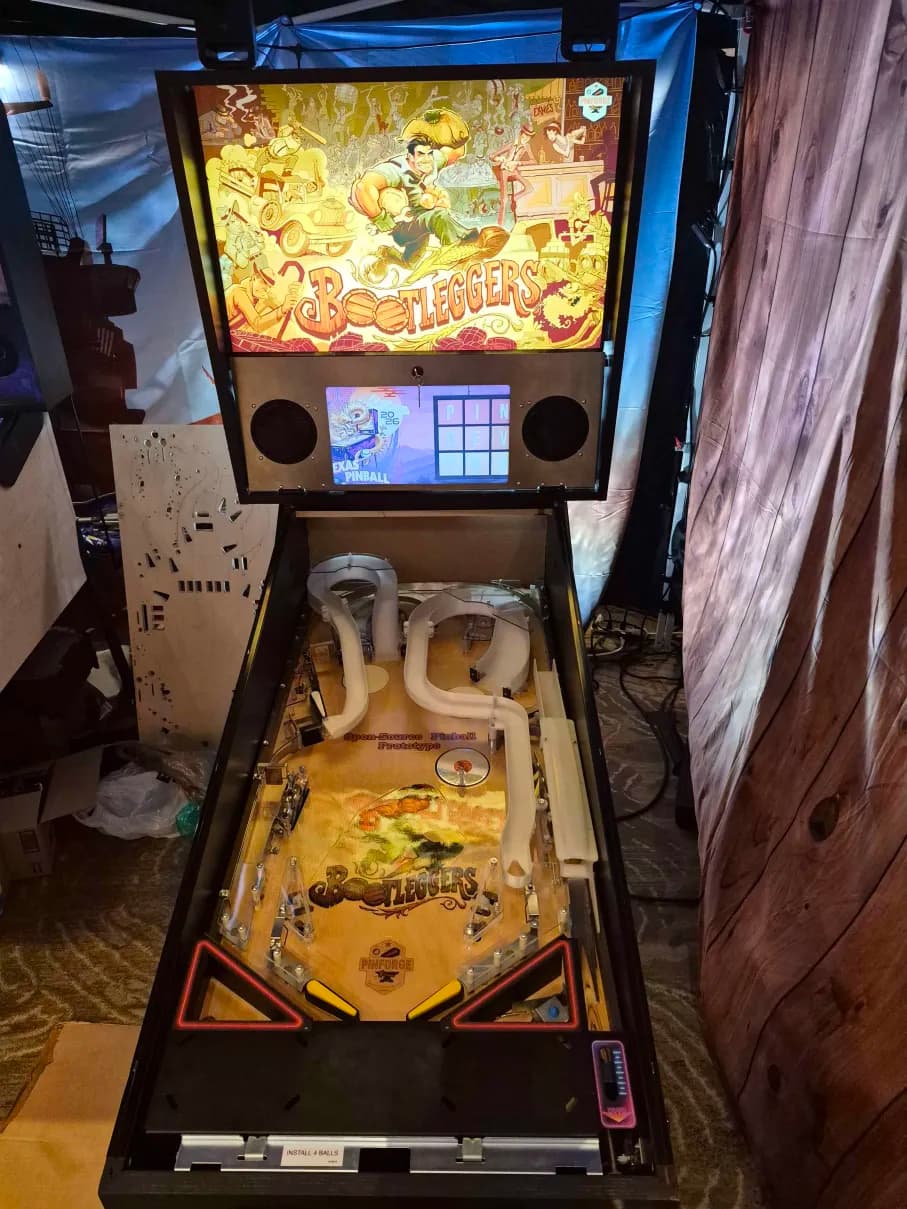
Kyle Reed called me during a long drive home, and he told me the theoretical end goal of Bootleggers is that you just put it in your cart. What he meant by this is that those who can’t code won’t be restrained by being unable to code, unable to design a mech, so on, so forth. The goal was always to lower the barrier so anyone could join, make their dream pin, maybe even land a career.
I didn’t immediately recognize J Bryan Vincent when I started talking to him next to the Houdini games at Midwest Gaming Classic; I just thought he was a guy who genuinely loved the game. After acquiring American Pinball in January of 2026, he began looking for the next generation of designers from the homebrew scene. “We’re not interested in Primadonnas,” he told me. “My pet peeve is having designers sign machines like they are the sole and most important creator of the product. They are just one element of the team that brings the game to life. To design at AP, you have to be OK without your signature on the machine, and certainly not your face on the playfield.”
A month after the acquisition, Nick Neitzel brought his Tony Hawk Pro Skater pin through American Pinball’s doors. “Nick showed a ton of creativity and took some risks on the shots, ramps, mechs, ultimately he created a really unique design that works,” J Bryan Vincent told me. “I look for someone who sees the whole picture. Great machines are not just about shots and rules, but integrated sound, animations, and art.”
Neitzel was brought on mid-March as a member of the American Pinball team.
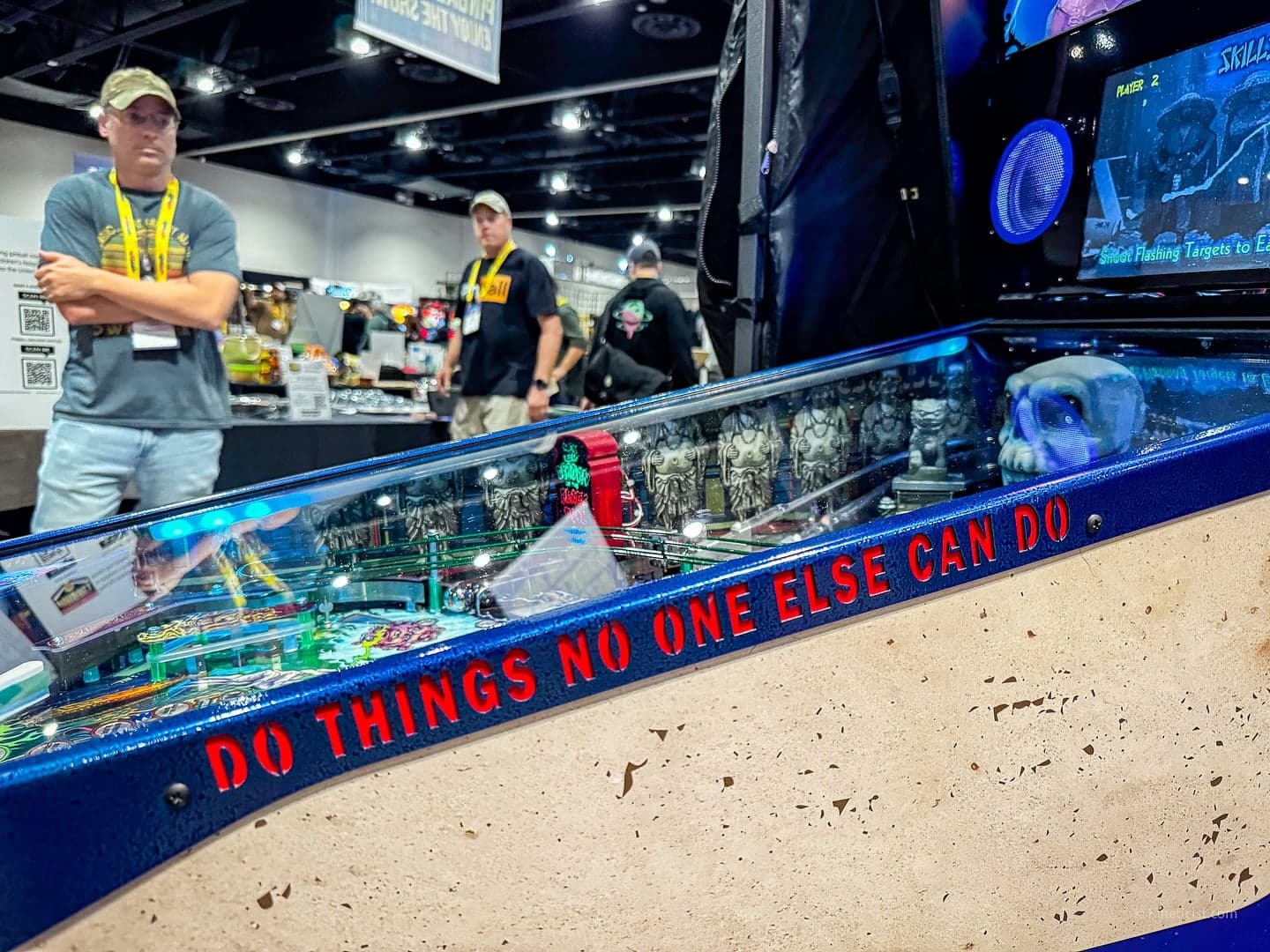
And he wasn’t the only one. Kyle Smet’s “Big Trouble in Little China” was shown just outside the homebrew section of the 2025 Chicago Pinball Expo, featuring original Brian Allen art. Three months later, he was brought on to Barrels of Fun as Production Manager.
“Homebrew gave me a foundation in the language, culture, and problem-solving mindset of pinball,” he told me. “I’m still very invested in the creative side of pinball, and the friendships I’ve built through the homebrew community.”
And if you were to join this community, a community with 50 expected pins at the Chicago Expo this upcoming year, my advice is to silence your notifications. Silence them because otherwise you’ll hear small little pings all through the night, getting more and more frequent as the days go on. New friends chiming in at any godforsaken hour of the night to help one another with wiring, with code, with design. All those different hats.
I know now that the average homebrewer is named Nick. I know that the average homebrewer is, to some capacity, an engineer. But most importantly, the average homebrewer began by walking into the homebrew section of a festival and just began asking questions. And it really was that easy; they had an idea in the back of their mind of that one pin they always wanted to see.
If you do have that thought in your mind, the pin you want to see, they’re quite easy to find. FAST, Marco Specialties, Trident Pinball, and now, Pinforge. They’ll tell you exactly what you need to get started. They’ll tell you there are no rules here. And they’ll tell you yes, it does get bigger every year.