
- 20
- Games
- 1988
- First game
Kyle Johnson was a key figure in pinball audio design from the late 1980s to the early 2000s, working at Data East, Sega, Stern, and Alvin G. & Co. He began his career composing music for video games and soon applied his technical…
Read the full bioGames

Playboy
200290/100 · 10 ratingsStern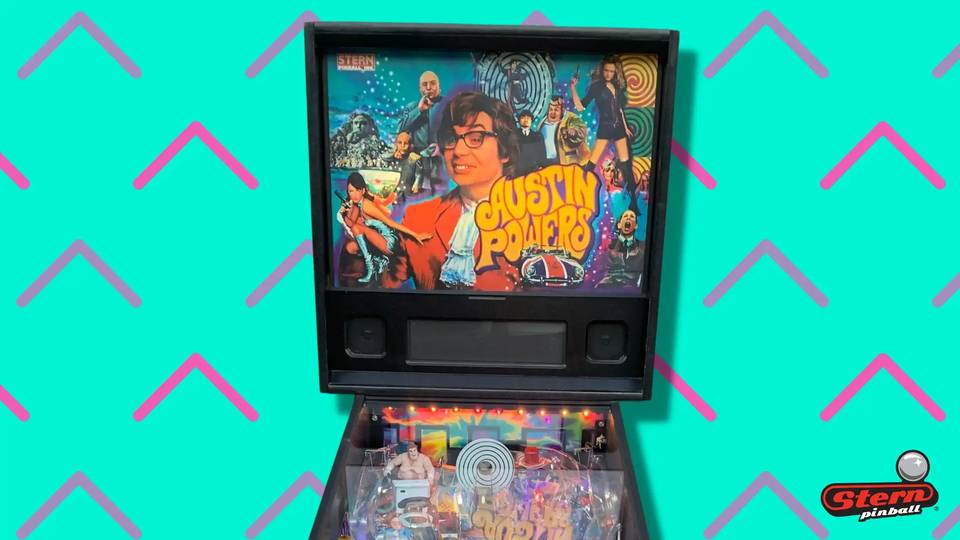
Austin Powers
20011 rating so farStern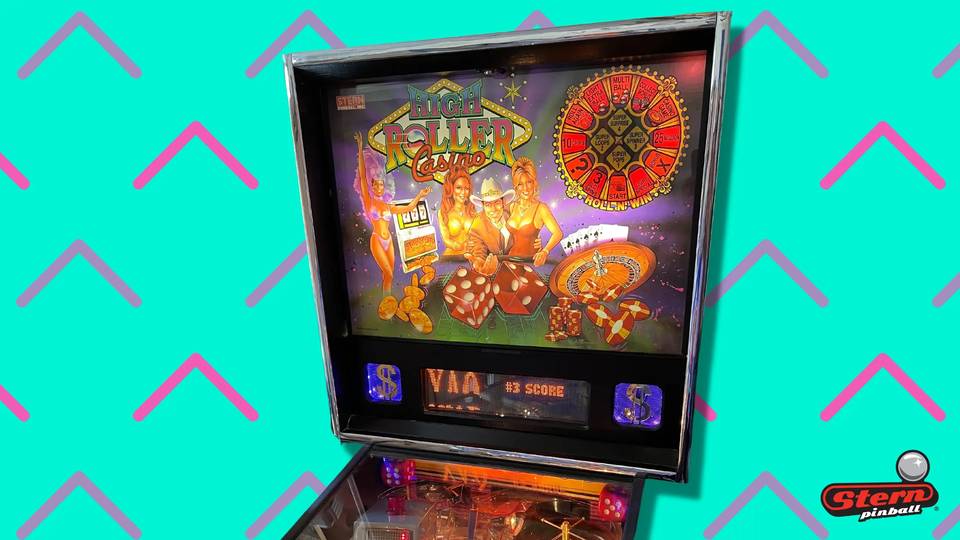
High Roller Casino
20013 ratings so farStern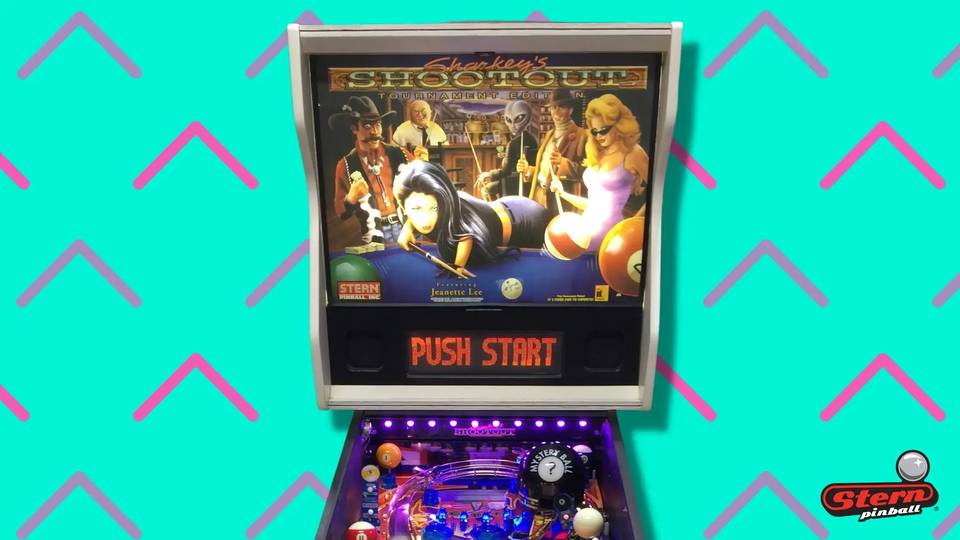
Sharkey's Shootout
20001 rating so farStern
Striker Xtreme / NFL
20001 rating so farStern
Harley Davidson
1999Stern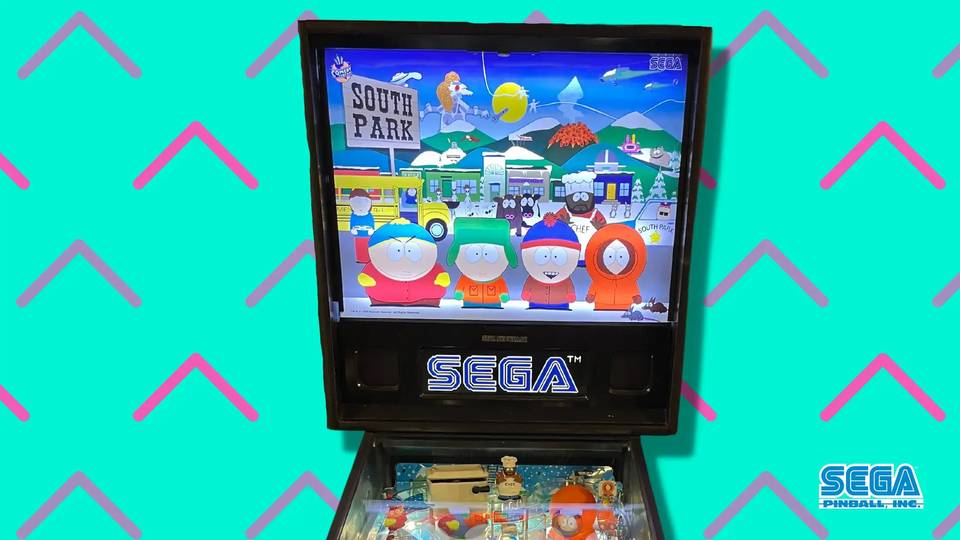
South Park
199974/100 · 6 ratingsSega
Godzilla
19981 rating so farSega
Golden Cue
1998Sega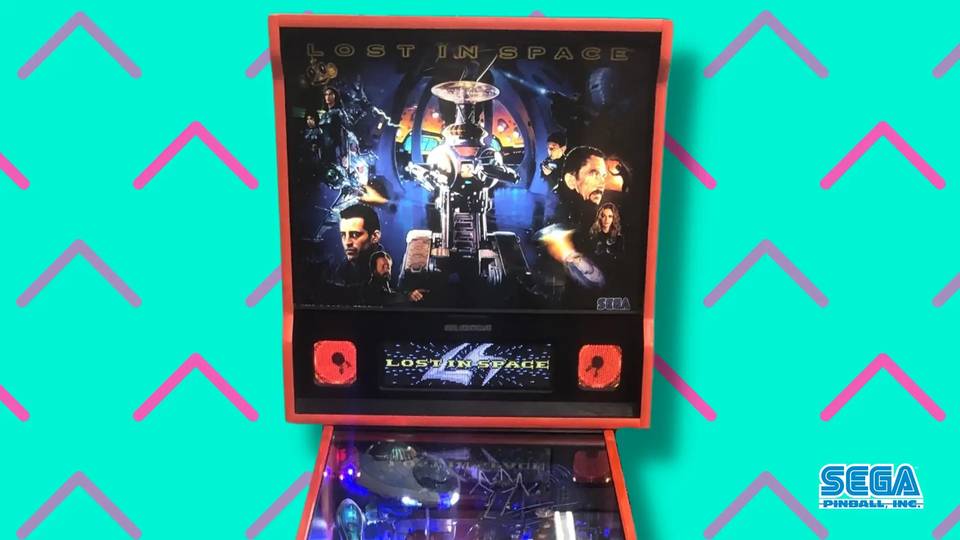
Lost In Space
1998Sega
Viper Night Drivin'
1998Sega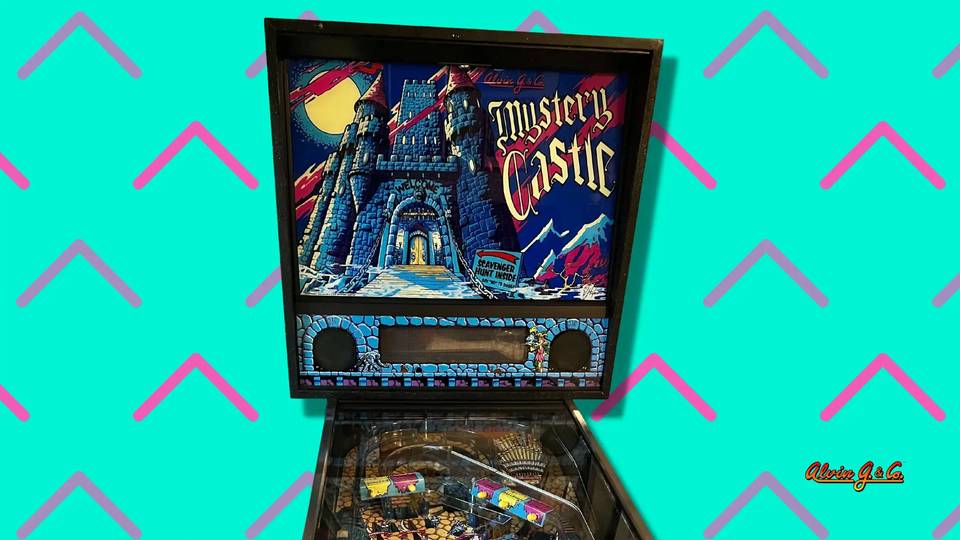
Mystery Castle
19931 rating so farAlvin G.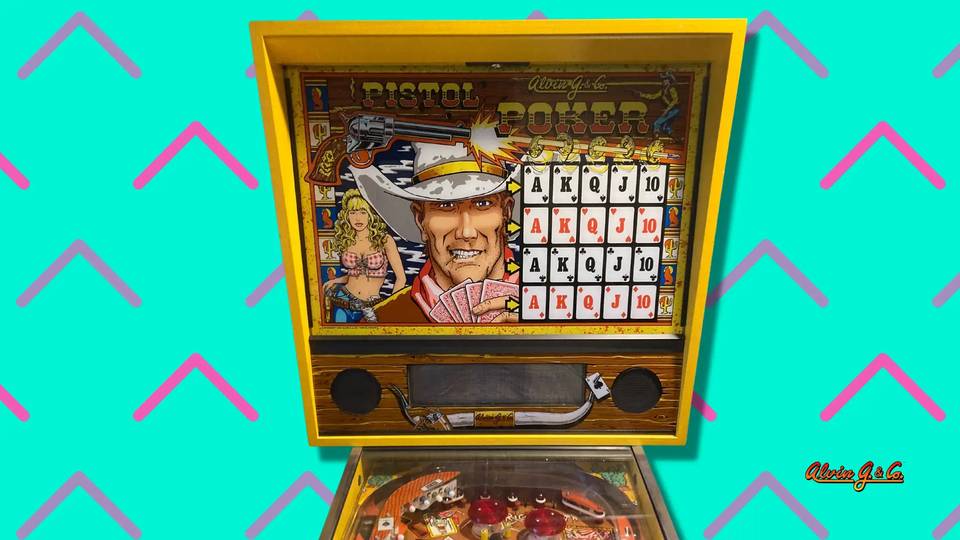
Pistol Poker
1993Alvin G.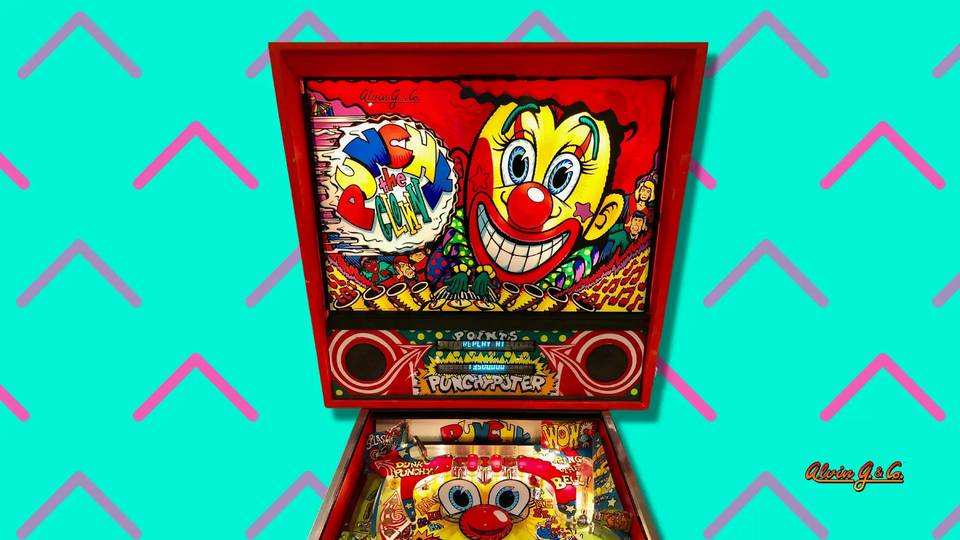
Punchy the Clown
19931 rating so farAlvin G.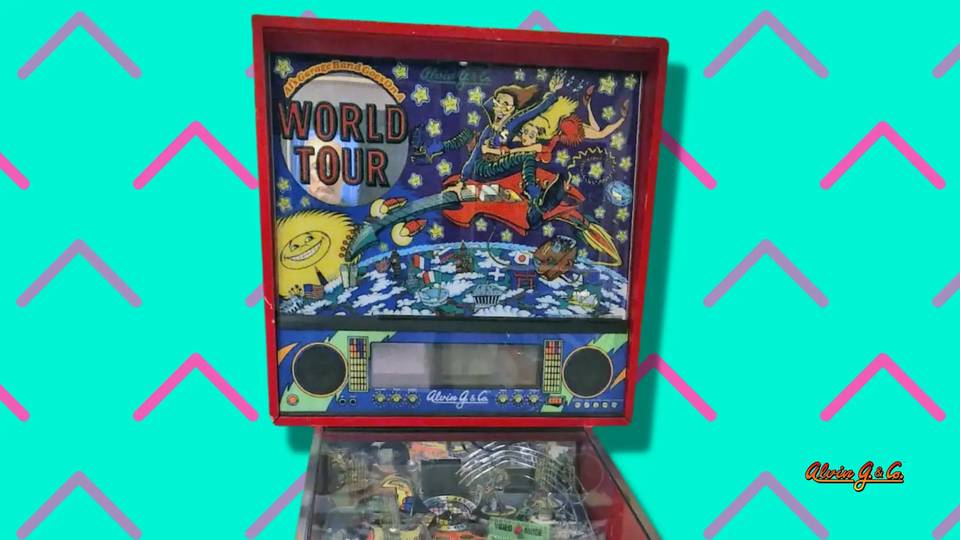
Al's Garage Band goes on a World Tour
1992Alvin G.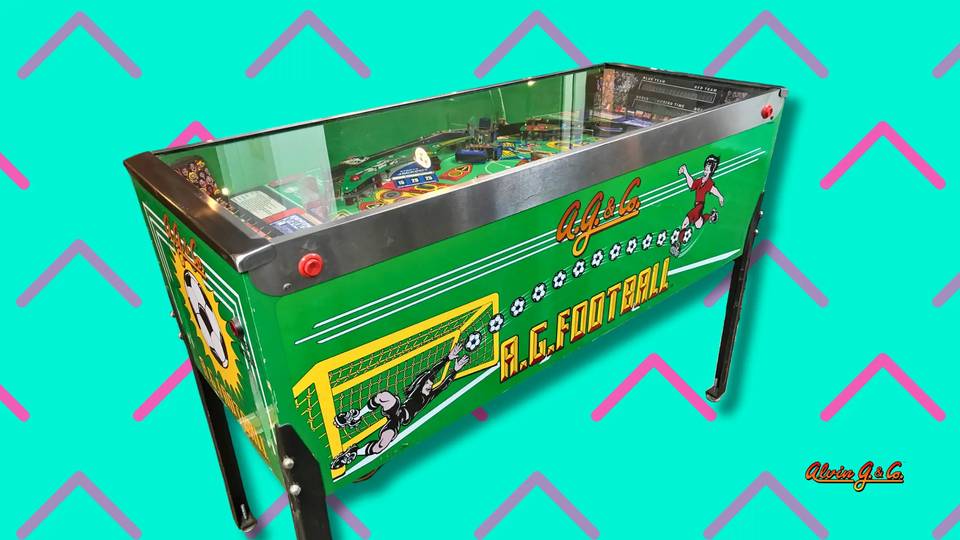
A.G. Soccer-Ball / A.G. Football
1991Alvin G.
Phantom of the Opera
1990Data East
Playboy 35th Anniversary
1989Data East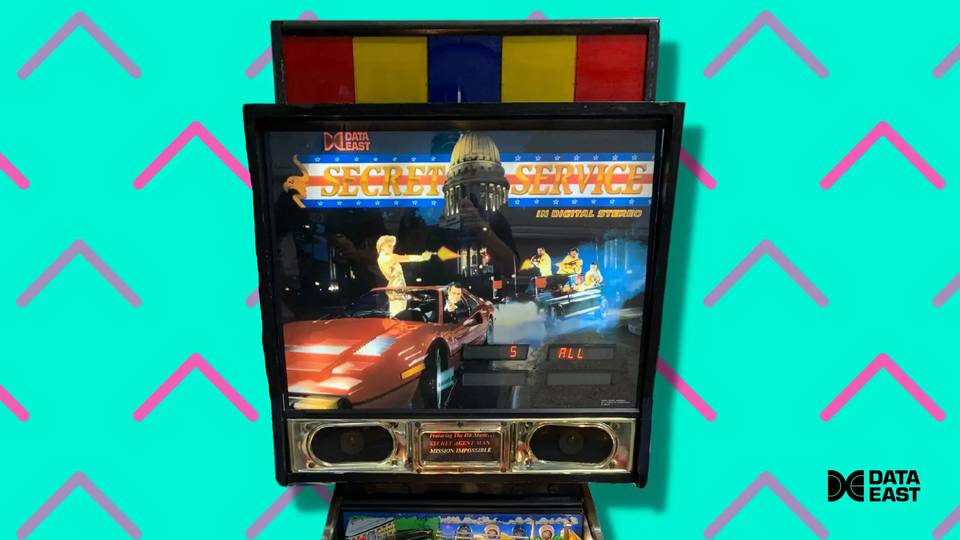
Secret Service
1988Data East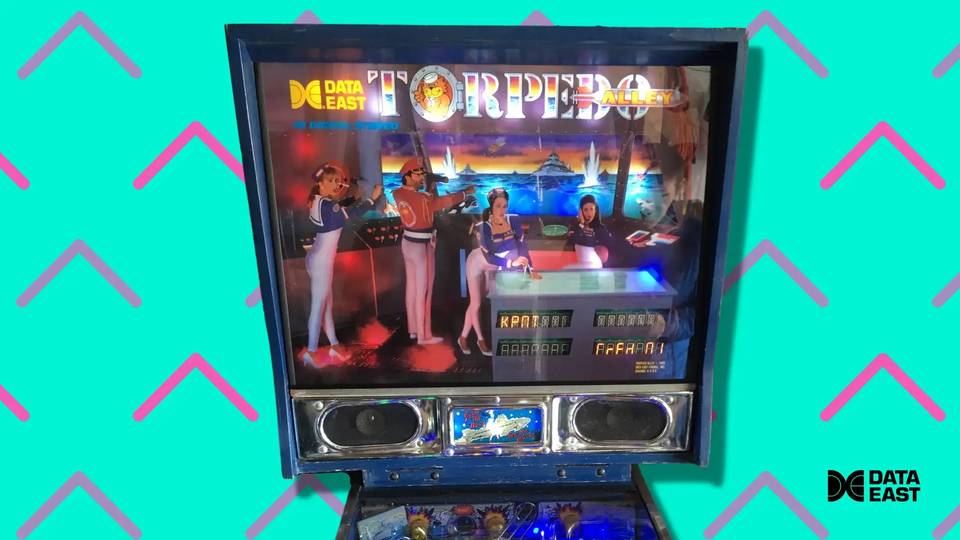
Torpedo Alley
19881 rating so farData East
About
Kyle Johnson was a key figure in pinball audio design from the late 1980s to the early 2000s, working at Data East, Sega, Stern, and Alvin G. & Co. He began his career composing music for video games and soon applied his technical expertise in computer-driven sound to pinball. At Data East, Johnson helped develop multi-layered soundtracks for titles like Phantom of the Opera (1990), incorporating stereo music and synchronized effects to enhance game themes. He later moved to Alvin G. & Co. as the lead audio designer, creating diverse scores for Al’s Garage Band Goes on a World Tour and Mystery Castle. Returning to the Data East lineage under Sega and then Stern, Johnson contributed to licensed projects such as South Park and Austin Powers, improving pinball audio workflows by integrating MIDI sequencing with proprietary sound hardware.
His work proved that pinball sound could be as complex and theme-focused as video game soundtracks, influencing how future designers approached audio implementation. Johnson introduced practices like dynamic mixing (lowering music volume for key callouts) and wrote genre-specific compositions tailored to each machine’s story. By leveraging chips like the BSMT2000 and Whitestar boards, he bolstered sound fidelity during pinball’s shift from basic chimes to fully orchestrated music and speech. His departure after Stern’s 2002 Playboy capped a 15-year run, during which he left a legacy of high-quality, immersive pinball sound still referenced by collectors and industry historians today.
Worked with
Mentioned in
Page updated April 2026 · Suggest a correction