
- 25
- Games
- 1986
- First game
Neil Falconer was an influential figure in pinball, recognized for both his technical expertise and creative vision. Initially working with Bally/Midway on arcade video game audio, he transitioned into pinball design and programming in the…
Read the full bioGames
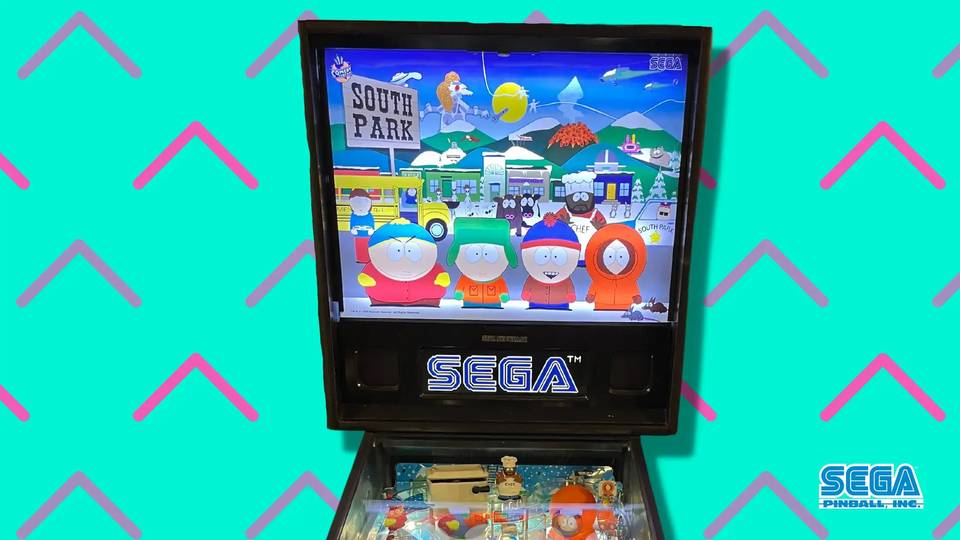
South Park
199974/100 · 6 ratingsSega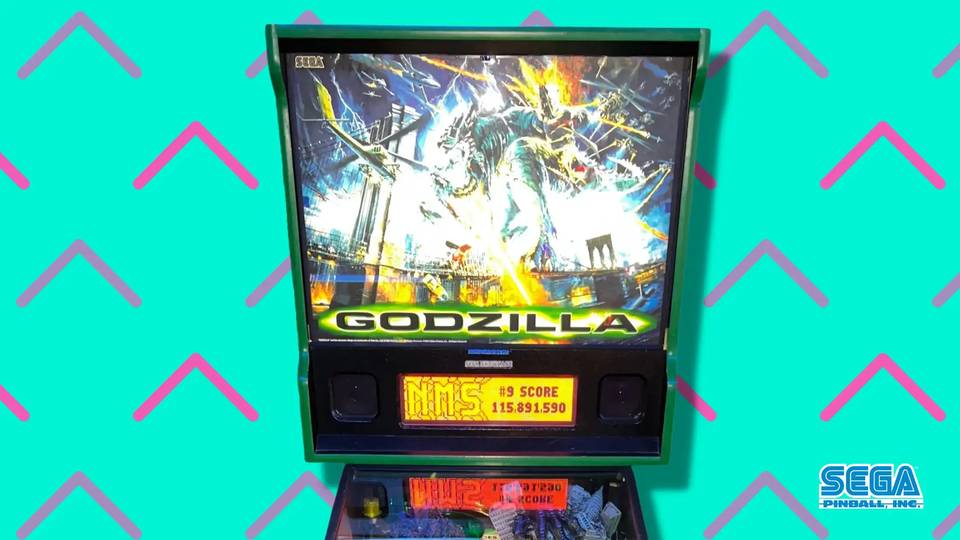
Godzilla
19981 rating so farSega
Golden Cue
1998Sega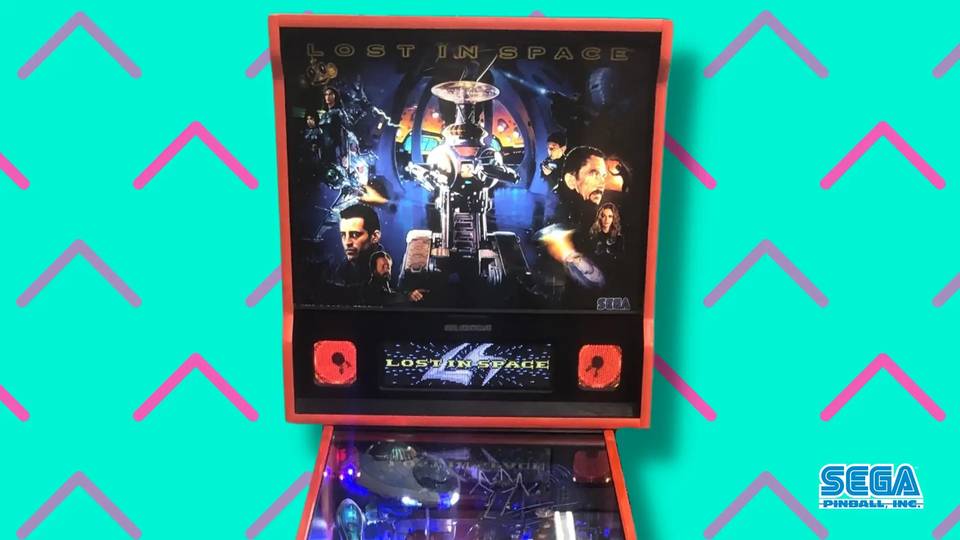
Lost In Space
1998Sega
Viper Night Drivin'
1998Sega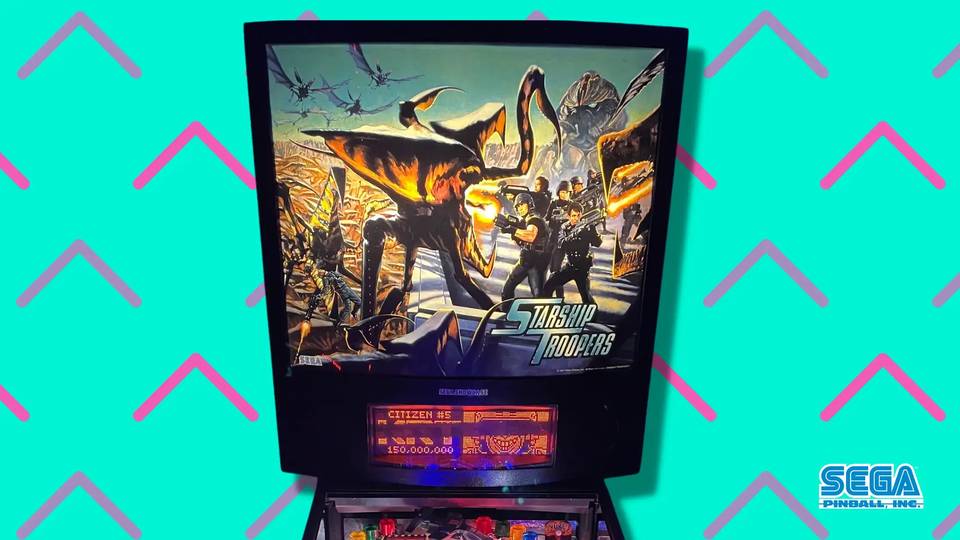
Starship Troopers
19973 ratings so farSega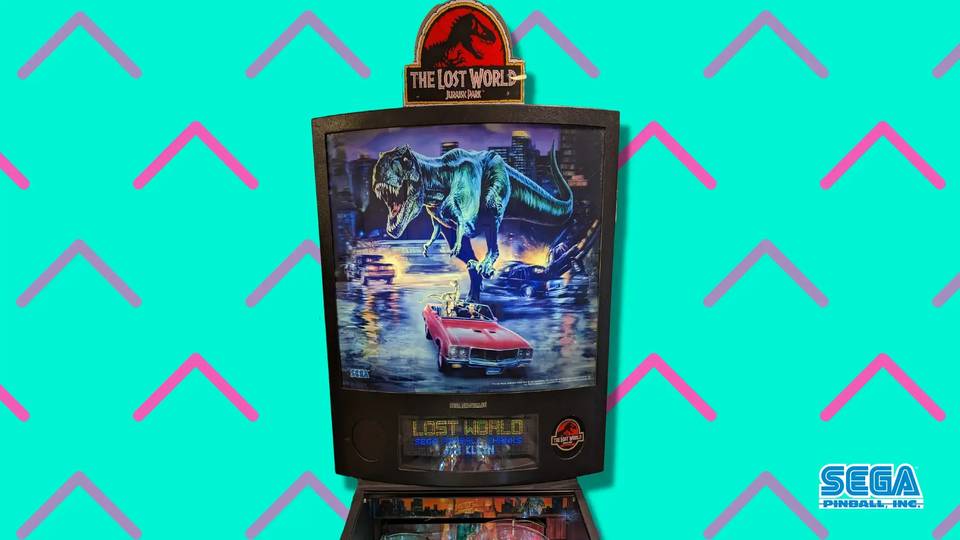
The Lost World Jurassic Park
19972 ratings so farSega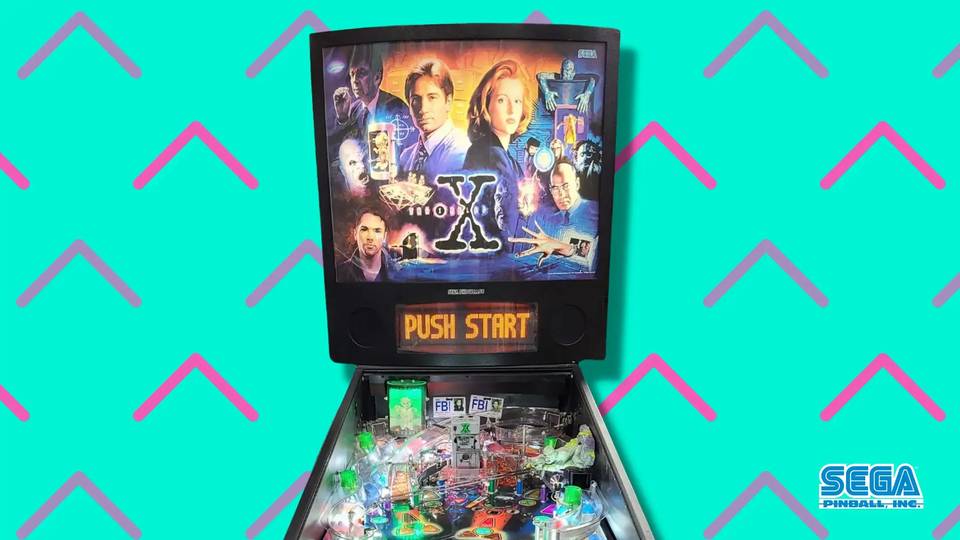
The X Files
19972 ratings so farSega
Goldeneye
1996Sega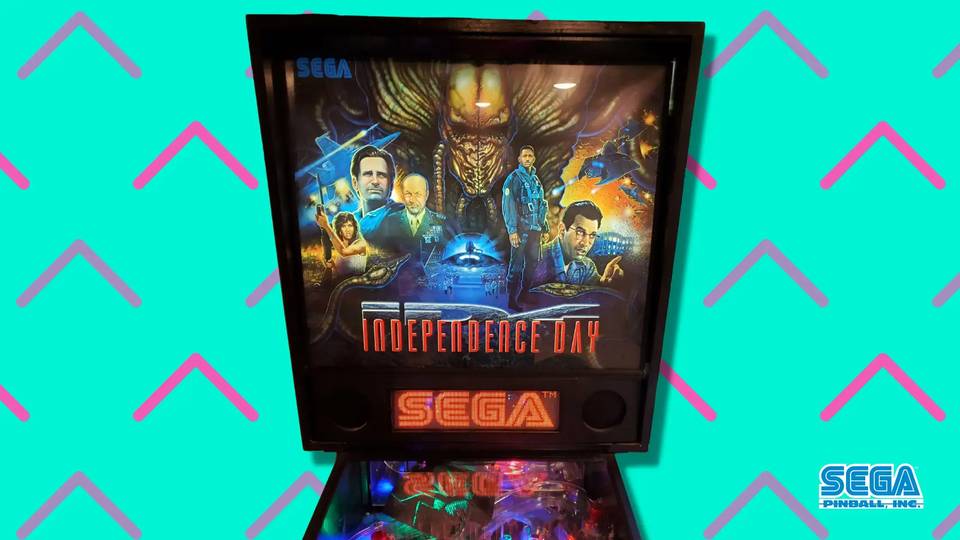
Independence Day
19961 rating so farSega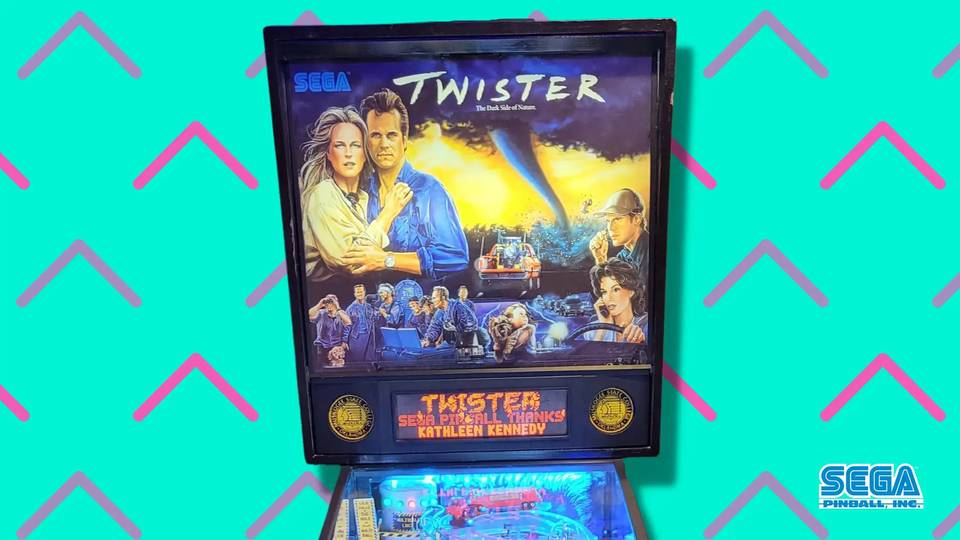
Twister
19961 rating so farSega
Apollo 13
19951 rating so farSega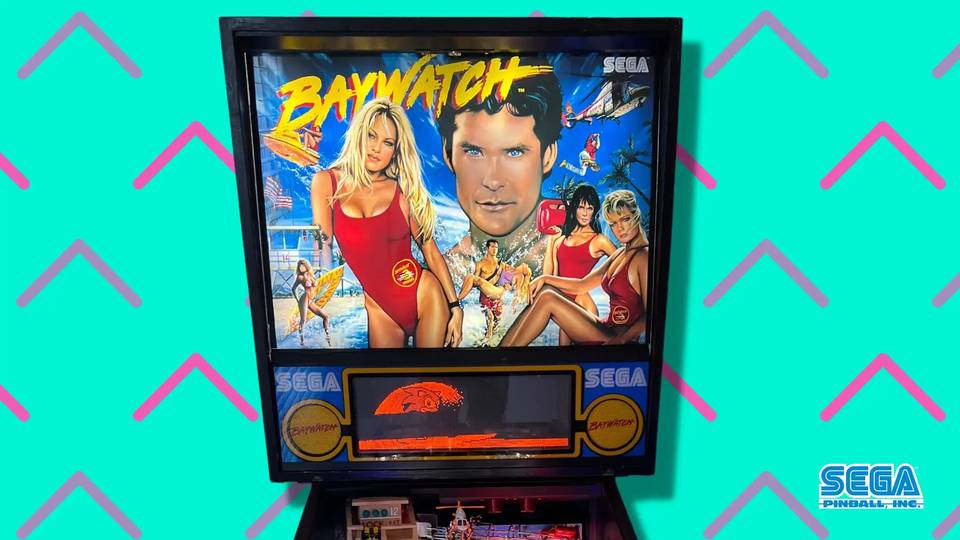
Baywatch
19952 ratings so farSega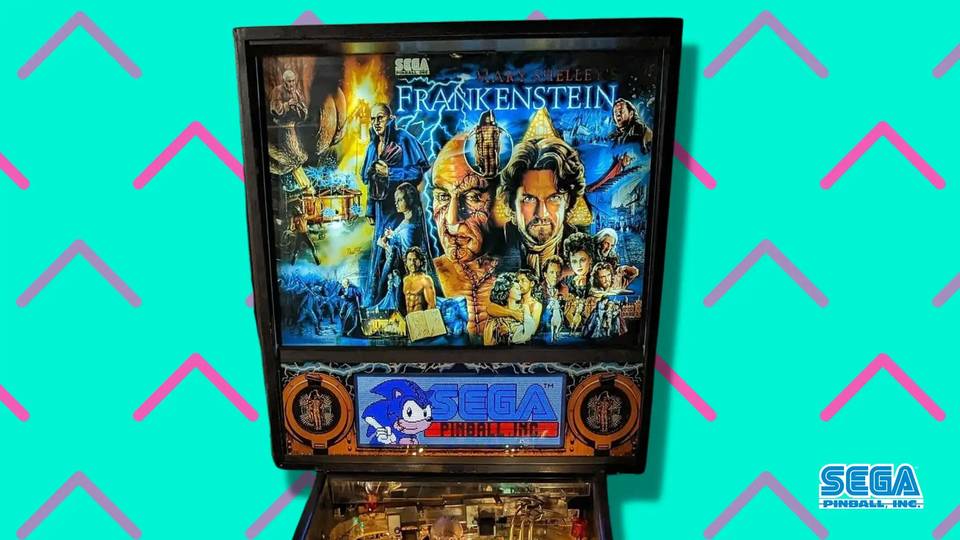
Mary Shelley's Frankenstein
19951 rating so farSega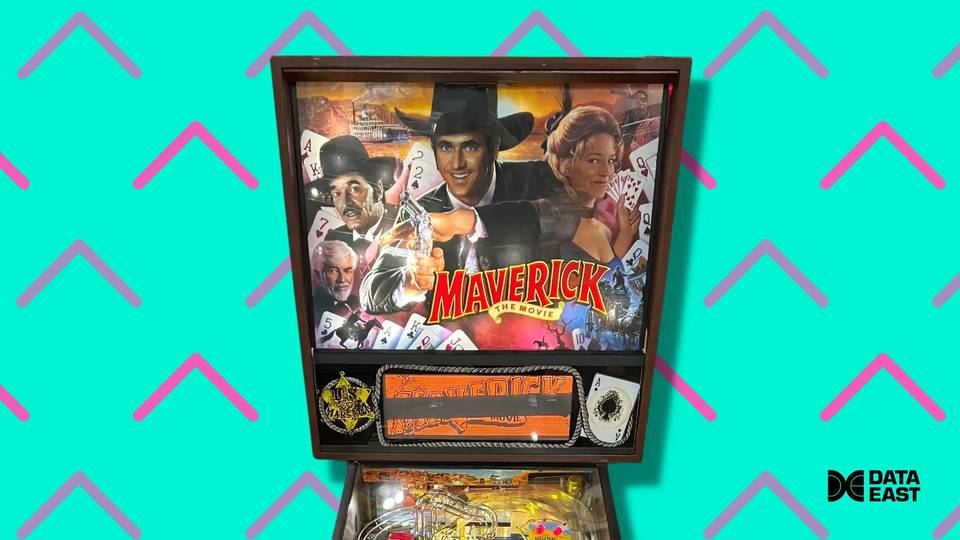
Maverick
19941 rating so farData EastConcept only

WWF Royal Rumble
19941 rating so farData East
Jurassic Park
199387/100 · 5 ratingsData East
Tales from the Crypt
19931 rating so farData East
Hook
19922 ratings so farData East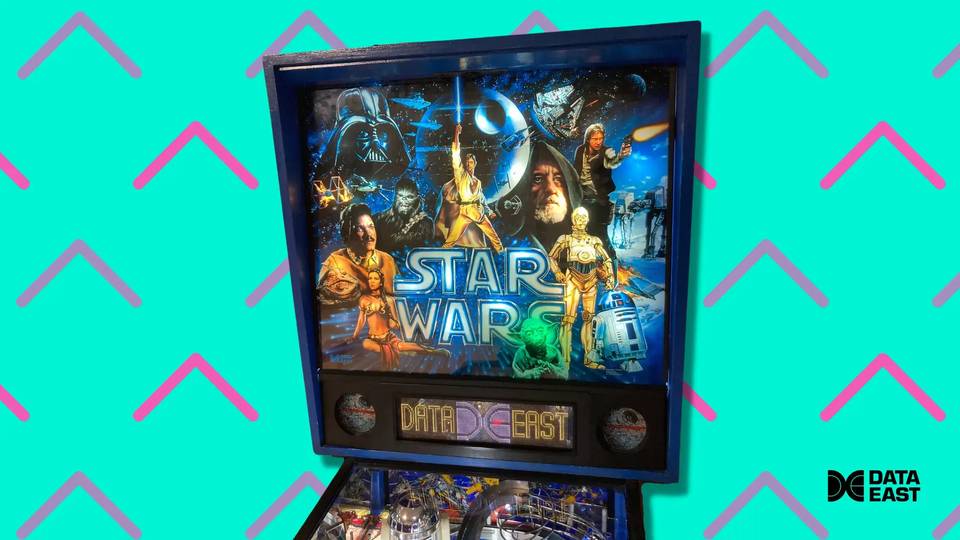
Star Wars
199292/100 · 16 ratingsData East
Batman
1991Data East
Teenage Mutant Ninja Turtles
19912 ratings so farData EastAlso Sound

Blackwater 100
1988BallySound only
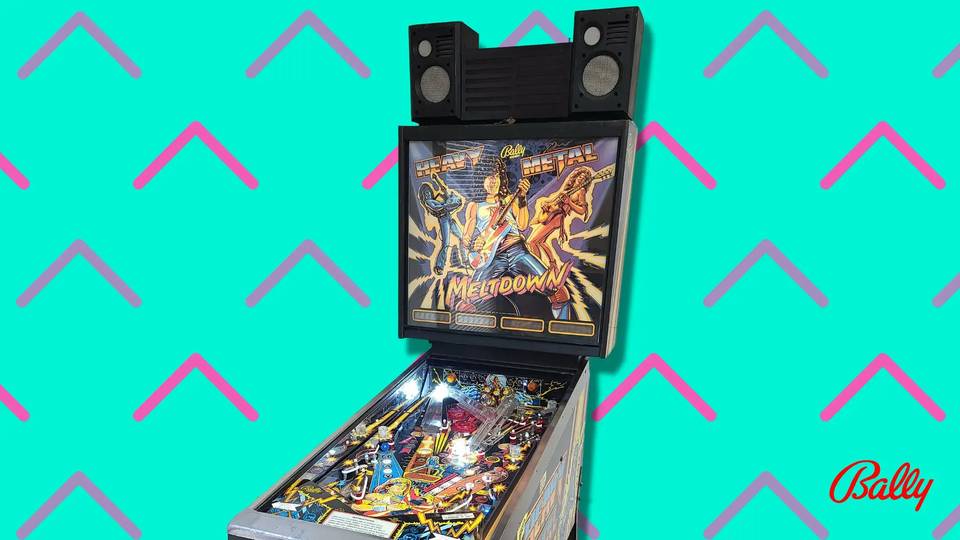
Heavy Metal Meltdown
19871 rating so farBallySound only

Special Force
1986BallySound only
About
Neil Falconer was an influential figure in pinball, recognized for both his technical expertise and creative vision. Initially working with Bally/Midway on arcade video game audio, he transitioned into pinball design and programming in the mid-1980s, contributing to games such as Special Force (1986), Heavy Metal Meltdown (1987), and Blackwater 100 (1988). Falconer’s work at Data East and later Sega Pinball was especially noted for integrating sophisticated sound, rules, and thematic elements into licensed titles like Star Wars (1992) and Jurassic Park (1993), both of which became commercial successes. His innovative approach extended to interactive features such as multi-ball modes, advanced dot-matrix animations, and immersive audio effects, helping to establish new standards for modern pinball gameplay.
Beyond game design and programming, Falconer played a leadership role within the companies he served, particularly during Data East’s transition to Sega Pinball. His calm managerial style and collaborative ethos made him a mentor to up-and-coming designers and programmers. By skillfully navigating industry challenges, such as the surge in home video gaming, he contributed to keeping pinball relevant. After leaving pinball in 1999, he continued to apply his talents at International Game Technology (IGT), focusing on casino game development. Falconer’s contributions, including notable innovations in mode-based gameplay, interactive audio design, and complex toy integration, have earned ongoing respect among pinball enthusiasts and historians, ensuring that his legacy remains an enduring part of the arcade and pinball canon.
Worked with
Kineticist Articles
Around pinball

Mentioned in
Page updated April 2026 · Suggest a correction