Doug Watson
Art · Concept · Design
Heighway Pinball, Bally, Williams, Gottlieb, Stern Electronics · 1980–2015
- 25
- Games
- 1980
- First game
Games
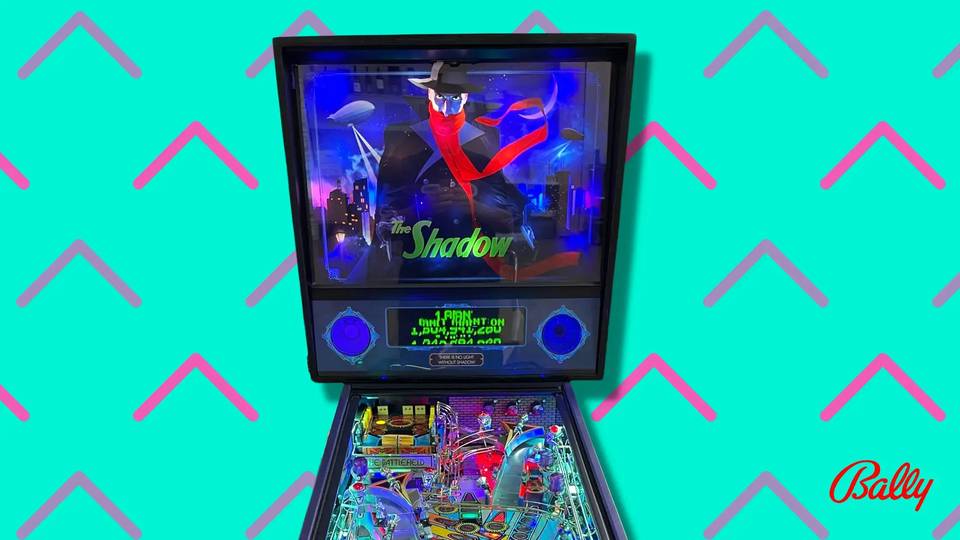
The Shadow
199494/100 (10)Bally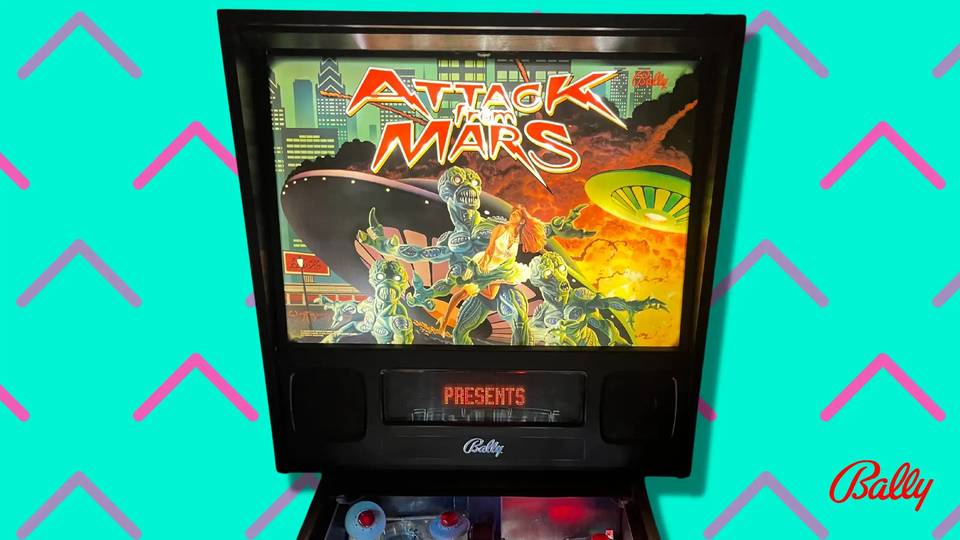
Attack from Mars
199591/100 (19)BallyAlso Callouts
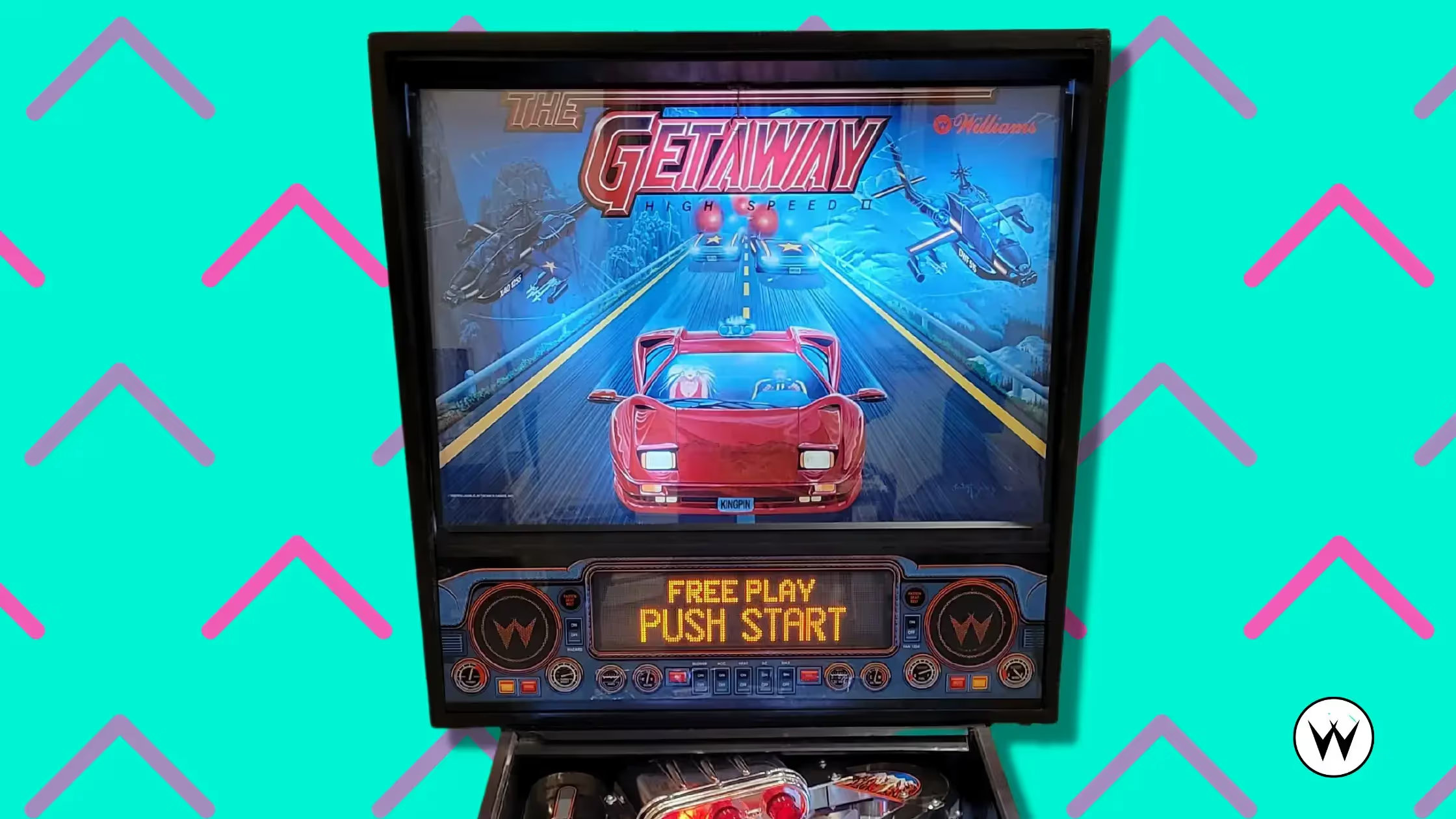
The Getaway: High Speed II
199290/100 (9)Williams
Black Knight 2000
198990/100 (7)Williams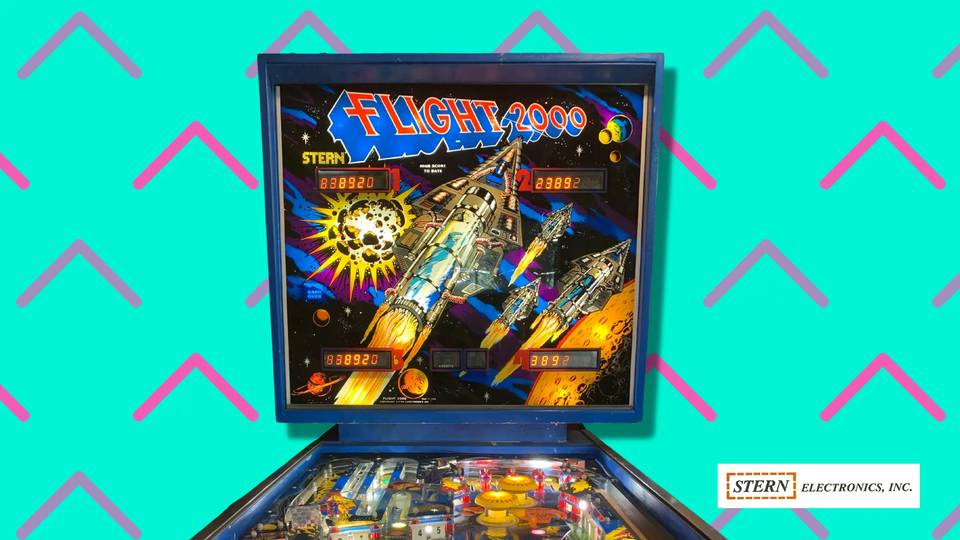
Flight 2000
198090/100 (5)Stern Electronics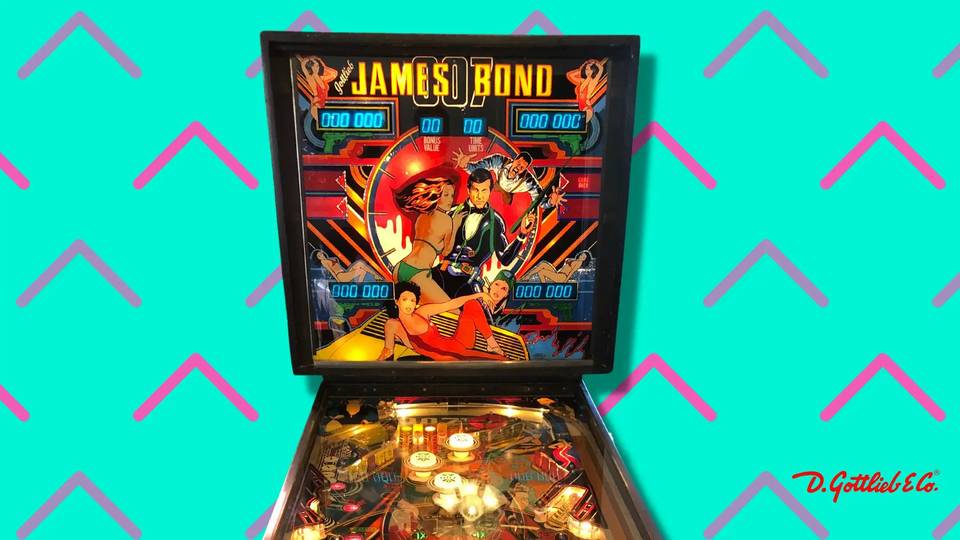
James Bond 007
198088/100 (5)Gottlieb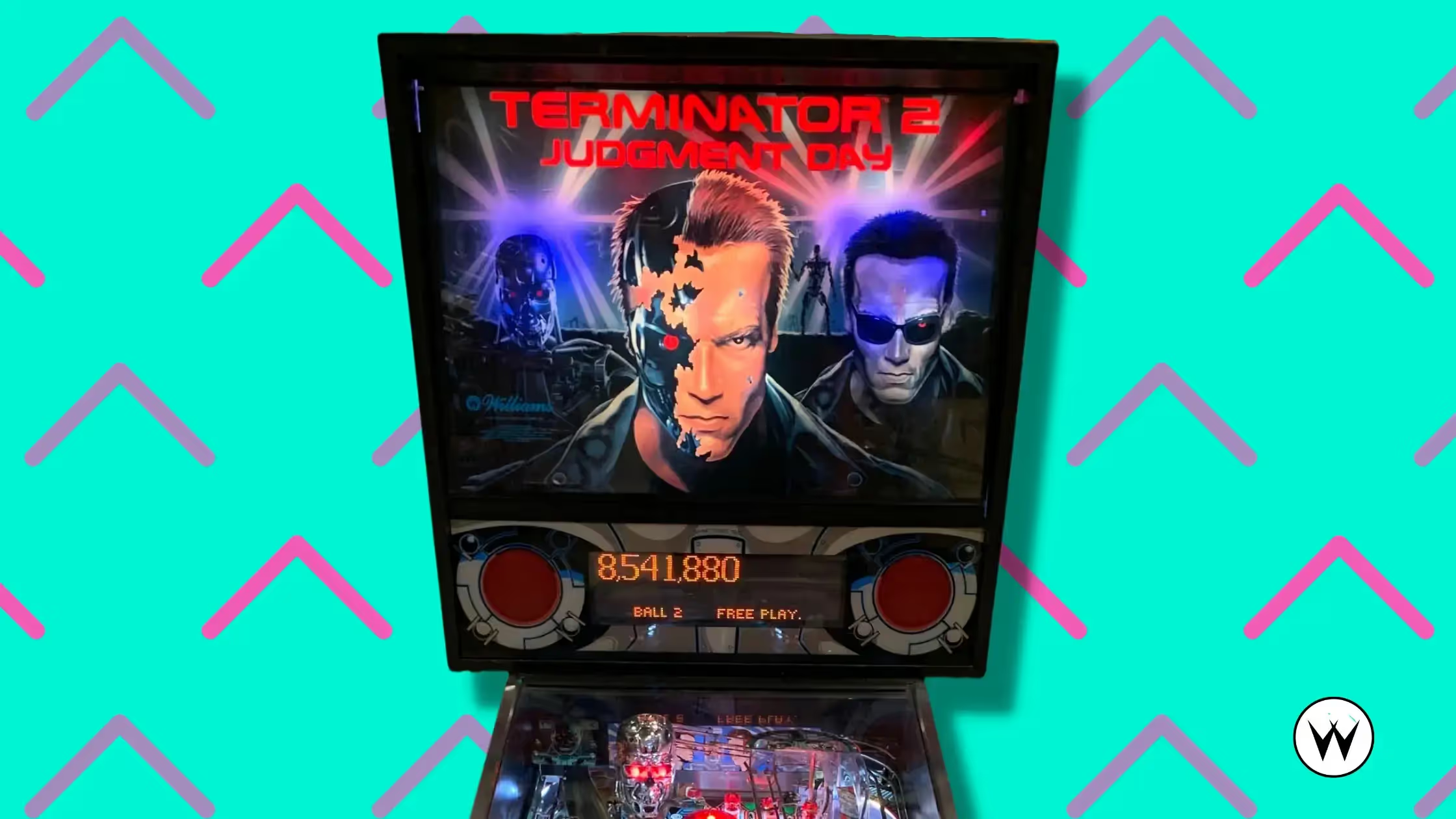
Terminator 2: Judgment Day
199186/100 (8)Williams
Indiana Jones: The Pinball Adventure
199386/100 (13)WilliamsAlso Design, Concept
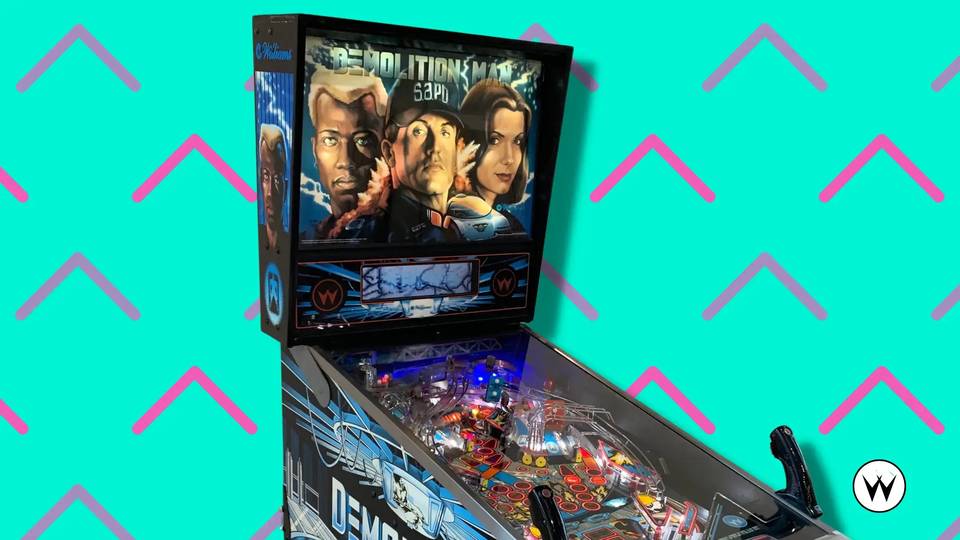
Demolition Man
199485/100 (6)Williams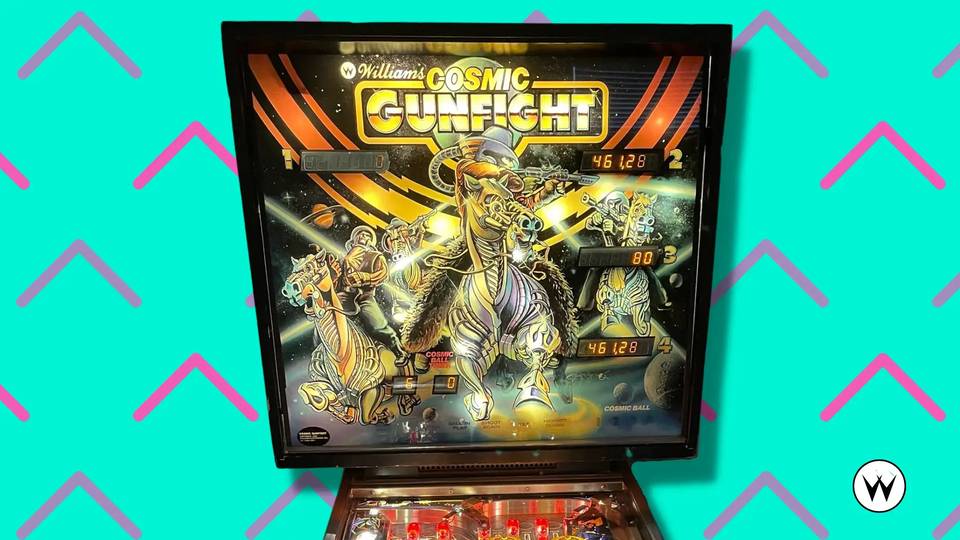
Cosmic Gunfight
19823 ratings so farWilliams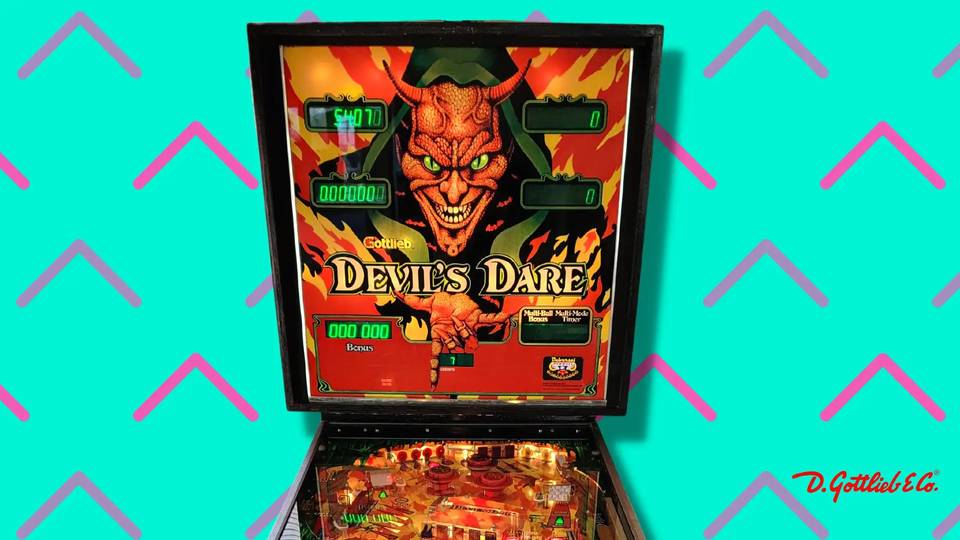
Devil's Dare
19823 ratings so farGottlieb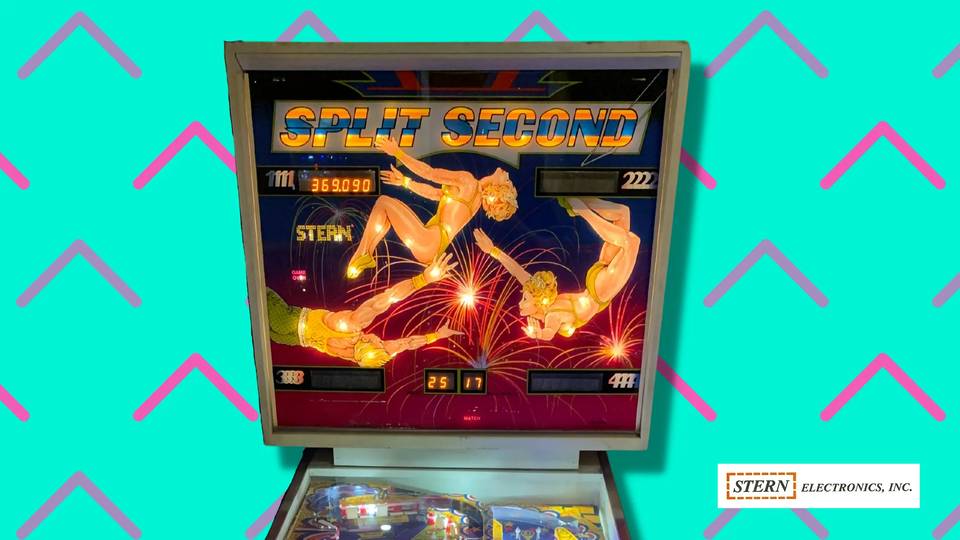
Split Second
19813 ratings so farStern Electronics
Barracora
19812 ratings so farWilliams
Big Game
19802 ratings so farStern Electronics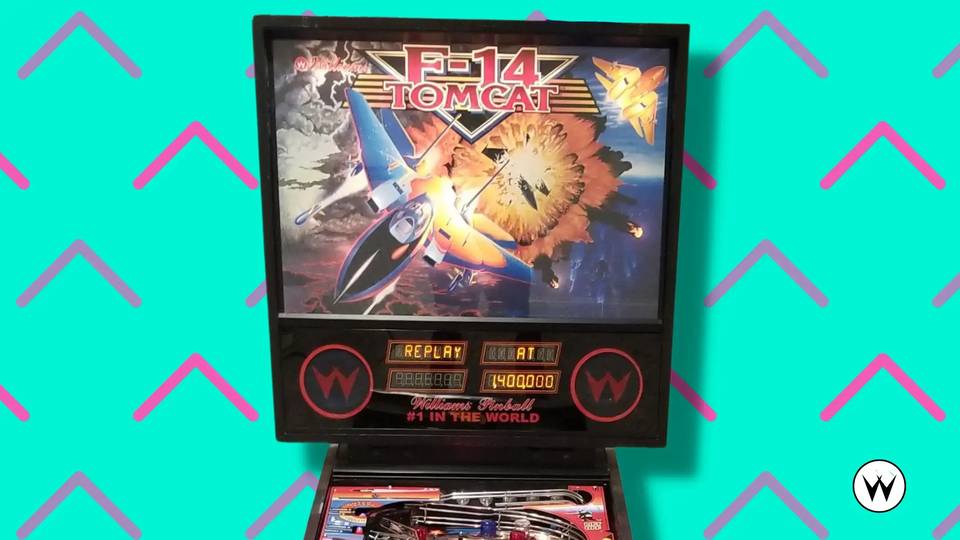
F-14 Tomcat
19872 ratings so farWilliams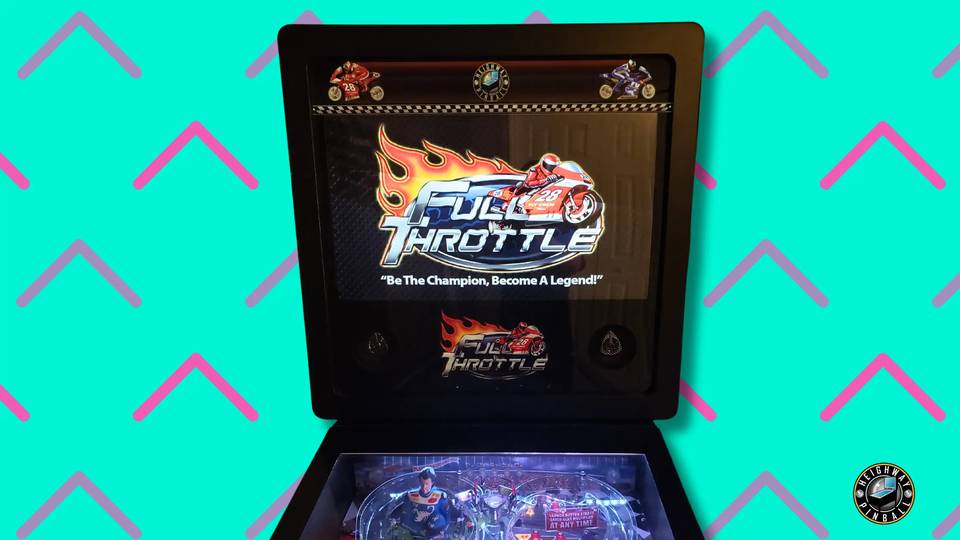
Full Throttle
20152 ratings so farHeighway Pinball
Jack•Bot
19952 ratings so farWilliams
Pool Sharks
19902 ratings so farBallyAlso Concept
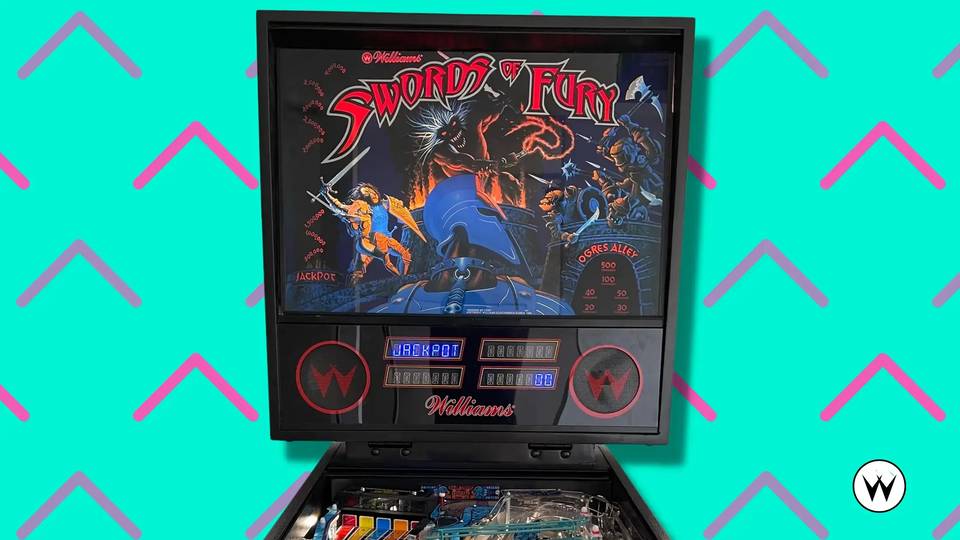
Swords of Fury
19882 ratings so farWilliamsAlso Design, Concept
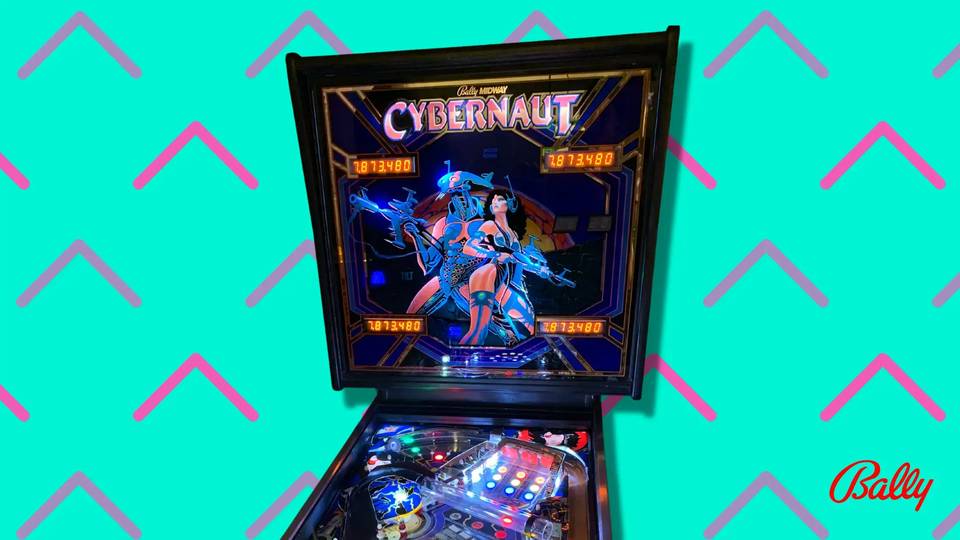
Cybernaut
19851 rating so farBally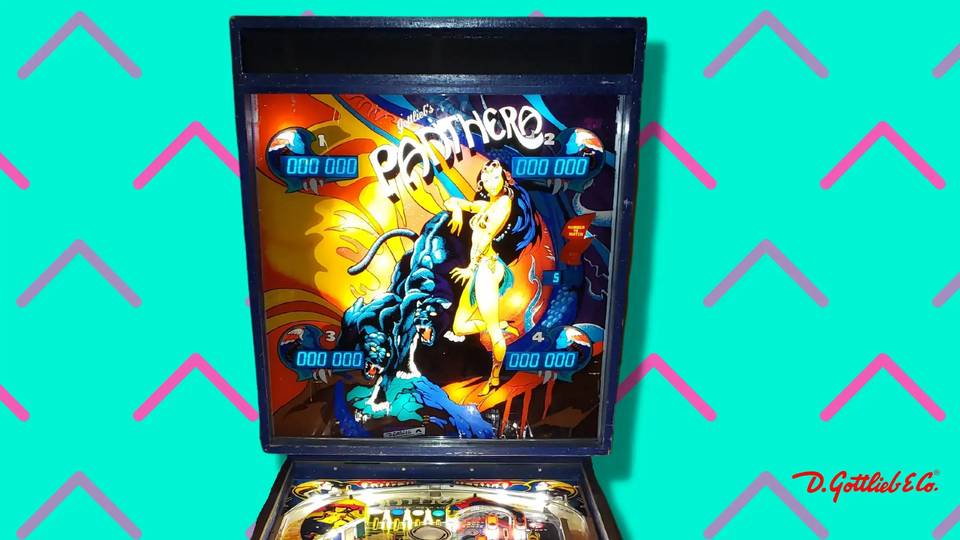
Panthera
19801 rating so farGottlieb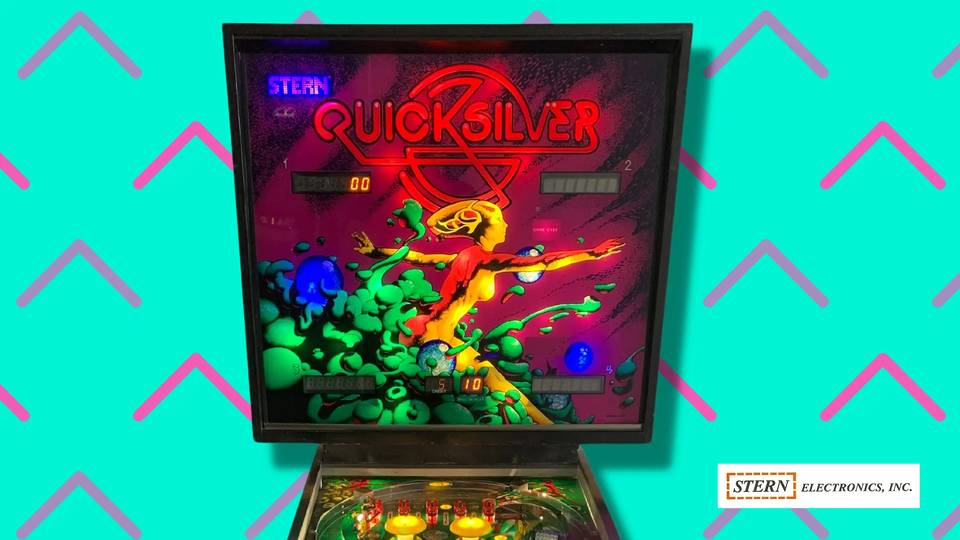
Quicksilver
19801 rating so farStern Electronics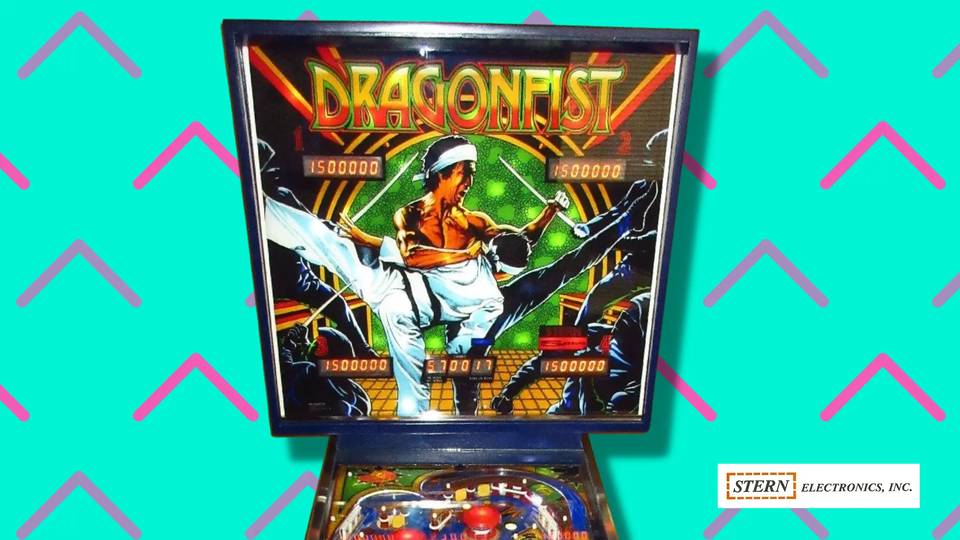
Dragonfist
1982Stern Electronics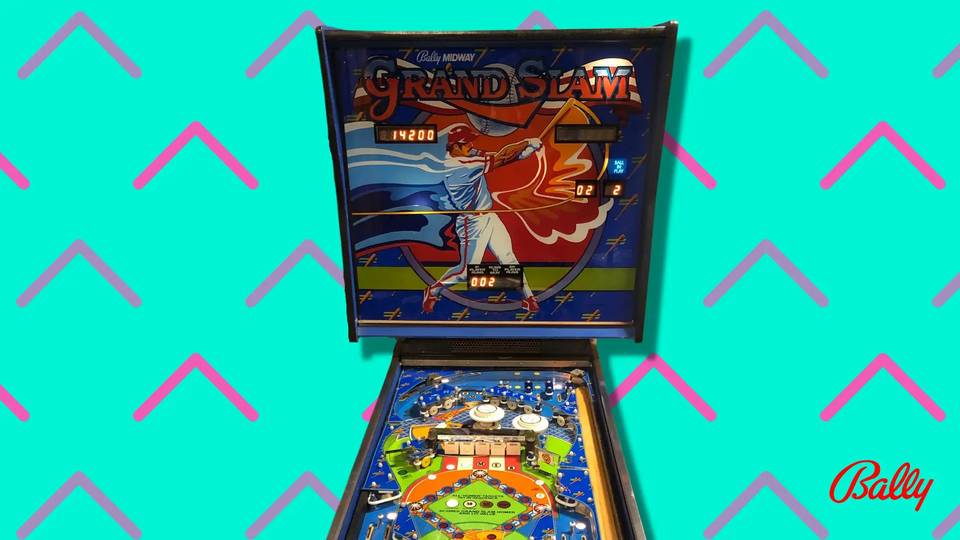
Grand Slam
1983Bally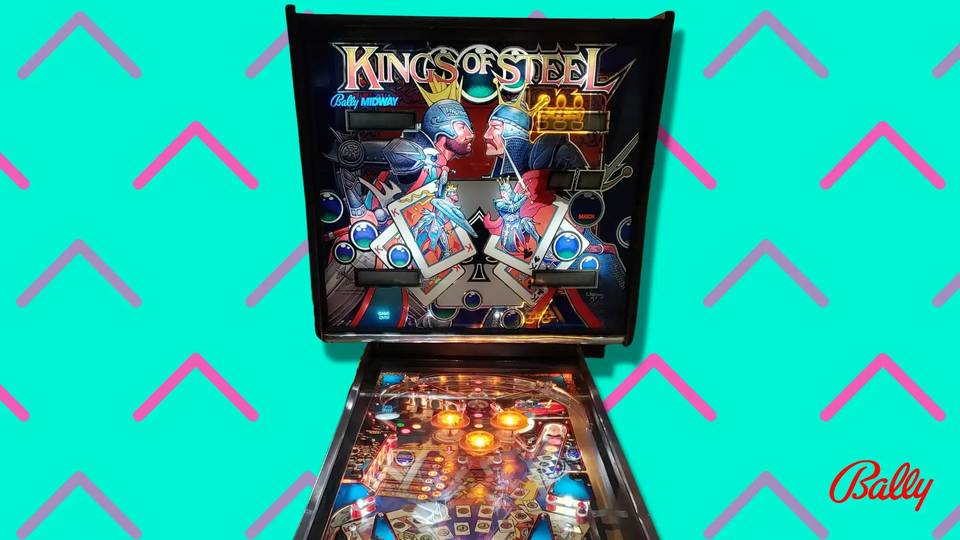
Kings of Steel
1984Bally
About
Doug Watson is a renowned pinball artist and designer whose career, spanning from the early 1980s through the modern era, helped shape the look and feel of many iconic games. He began in a Chicago print shop creating silkscreen art for different manufacturers, then moved into in-house roles at Williams and Bally where he championed integrating artwork and game design from a project’s inception. Known for his striking, theme-driven artwork, Watson’s portfolio includes classics like Barracora, Black Knight 2000, Terminator 2, Indiana Jones: The Pinball Adventure, and Attack from Mars. In many cases, he not only painted backglasses and playfields but also influenced the game’s concept, wrote callouts, and even provided voice acting—reinforcing the cohesive storytelling that remains his artistic signature.
Watson’s impact on pinball goes beyond aesthetics. He demonstrated that art could guide gameplay and immerse players in the machine’s theme, catalyzing a shift toward fully integrated production. This approach helped keep pinball relevant against the rise of video games in the 1980s and 1990s. His leadership at Williams championed collaboration between design, art, and technology, influencing successors in game studios around the world. Though Williams closed its pinball division in 1999, Watson carried on through freelance and teaching roles, returning to new manufacturers like Heighway Pinball and contributing to remake projects such as the Attack from Mars remake. His legacy remains evident in today’s pinball machines, which continue to blend detailed artwork, engaging storylines, and mechanical innovation—principles Watson helped establish as industry standards.
Kineticist Articles


Around pinball
Videos, podcasts and articles from elsewhere.


Mentioned in
Page updated April 2026 · Suggest a correction