Games
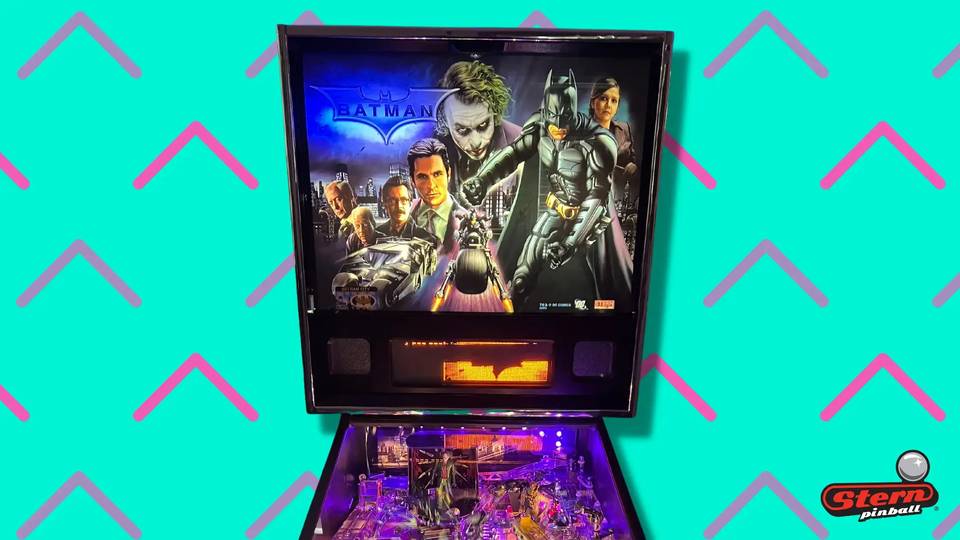
Batman
201064/100 (5)SternArt

CSI: Crime Scene Investigation
20082 ratings so farSternArt
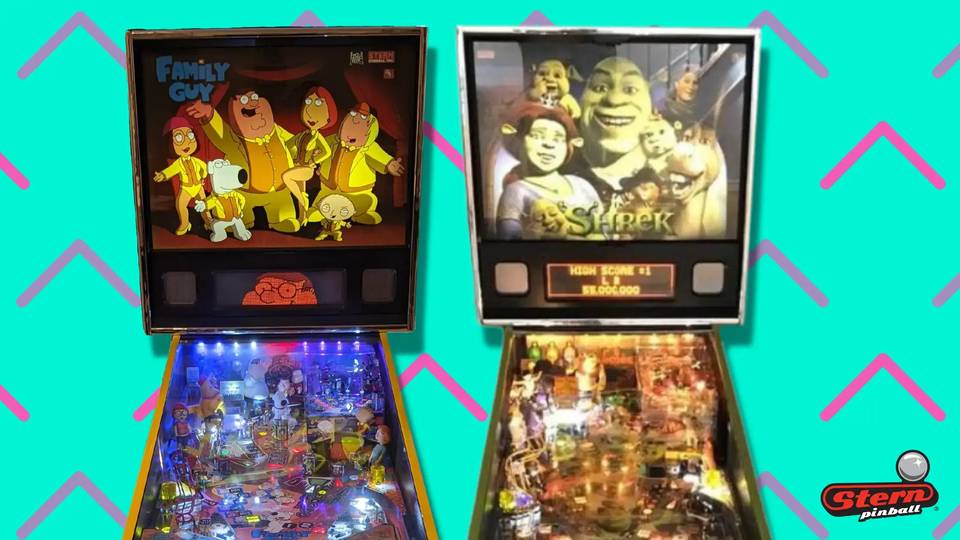
Family Guy / Shrek
20073 ratings so farSternArt

Spider-Man
200777/100 (10)SternArt

Wheel of Fortune
20074 ratings so farSternArt

Lord of the Rings
200388/100 (10)SternArt
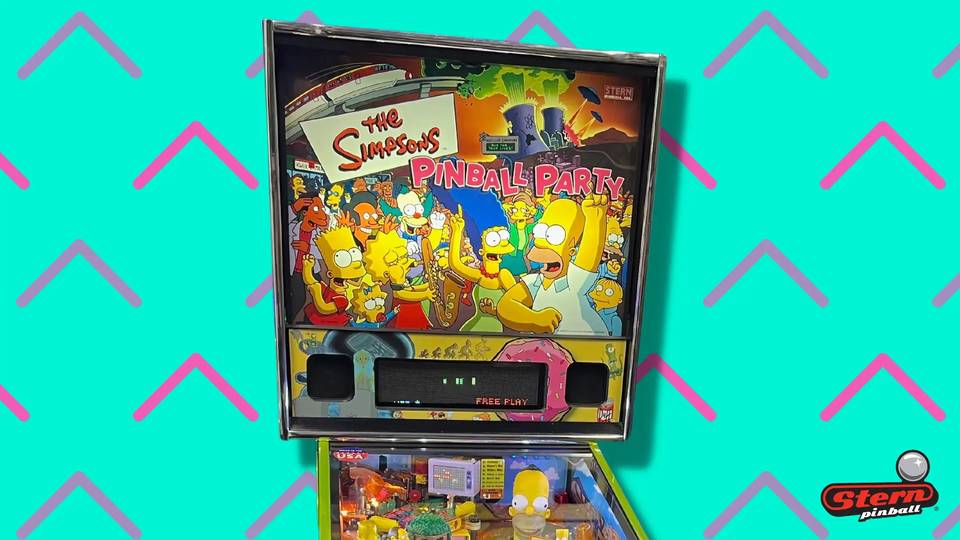
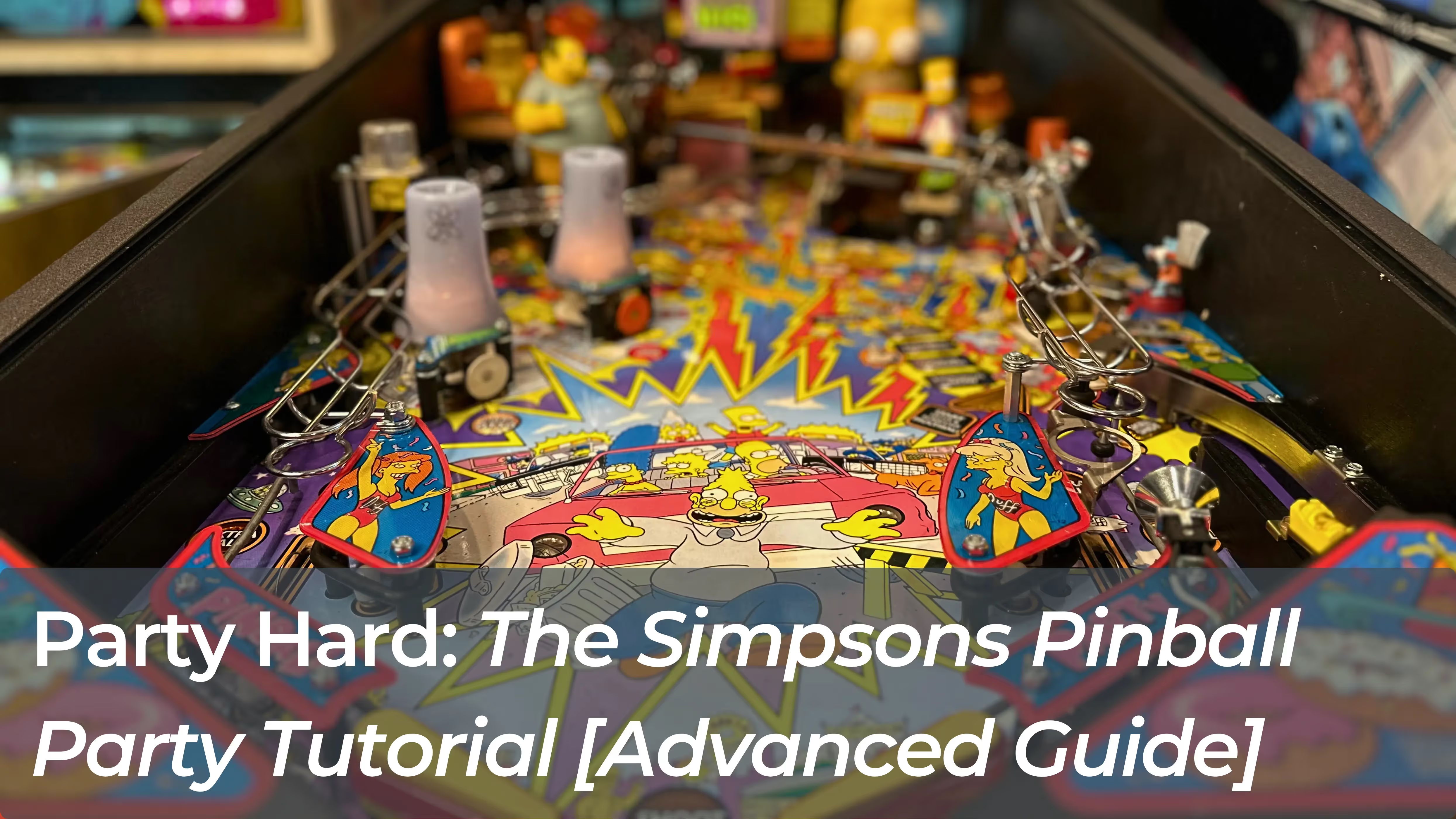
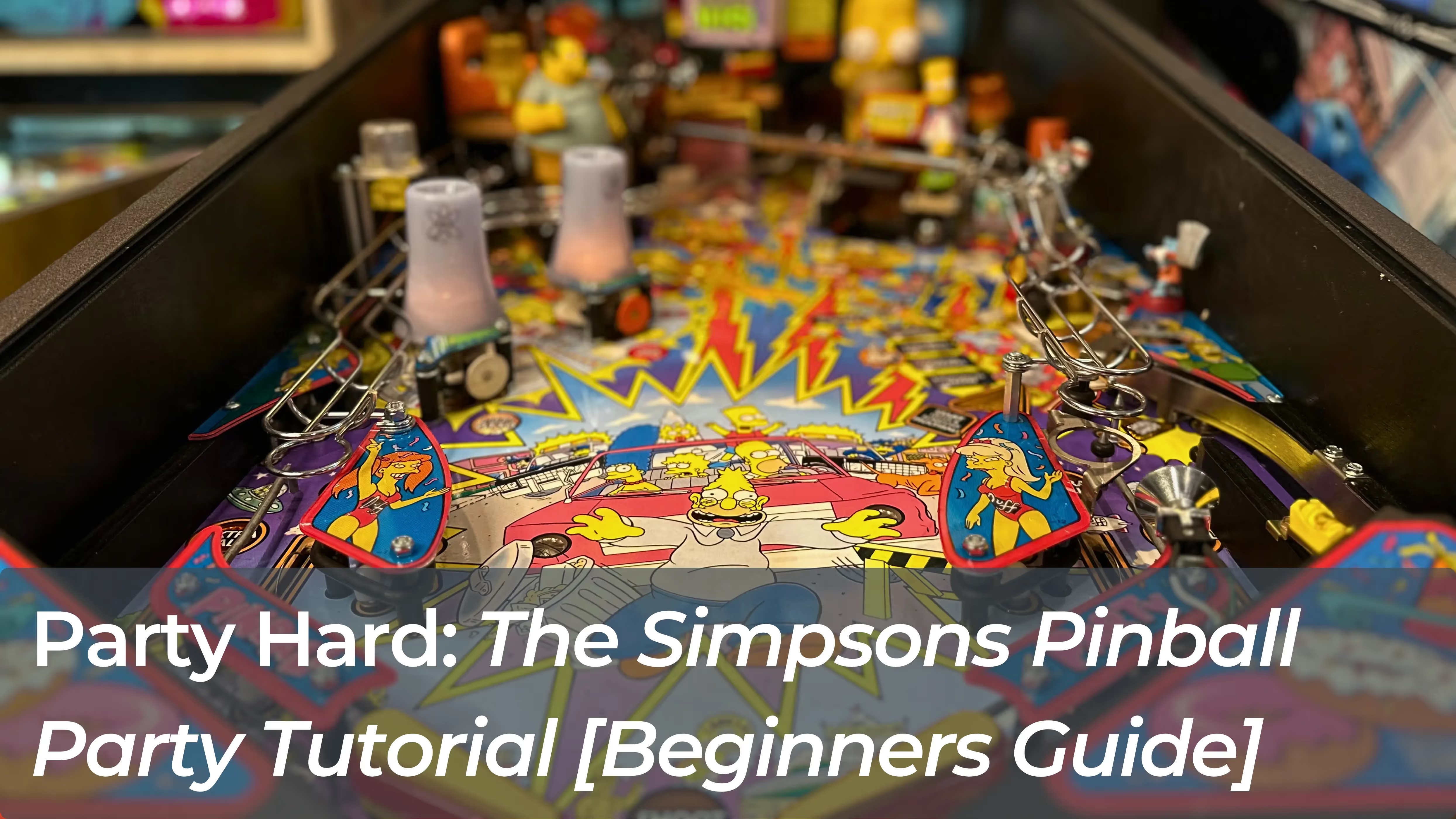
The Simpsons Pinball Party
20034 ratings so farSternArt
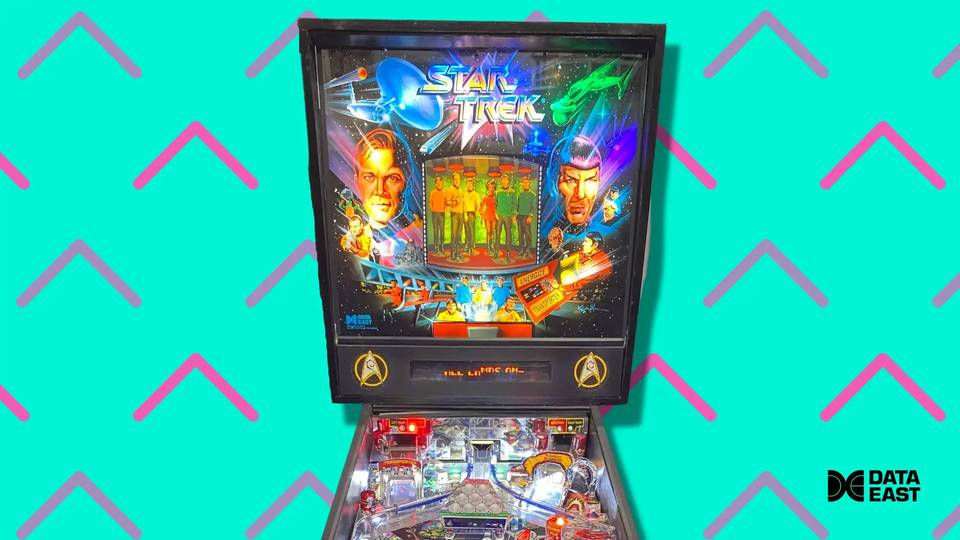
Star Trek
19911 rating so farData EastArt
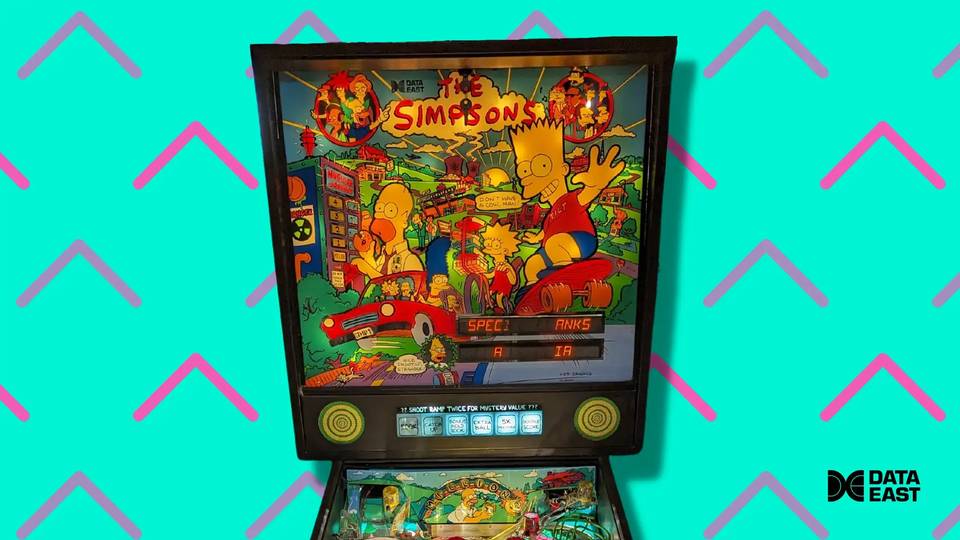
The Simpsons
19901 rating so farData EastArt
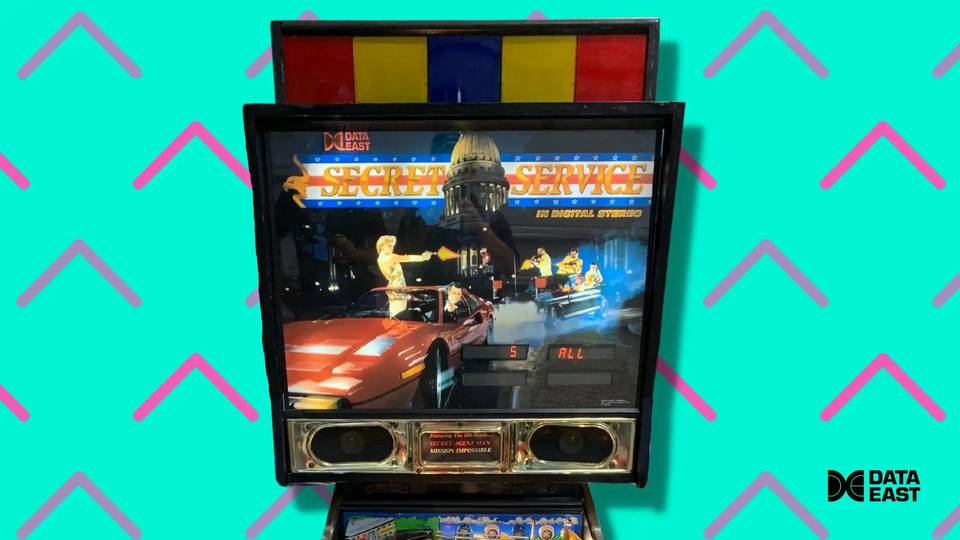
Secret Service
1988Data EastArt
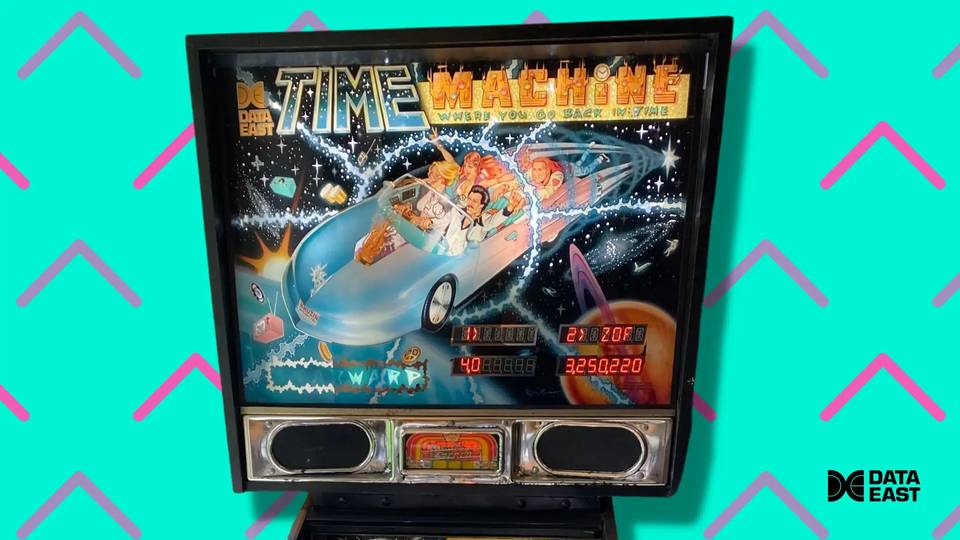
Time Machine
19882 ratings so farData EastArt
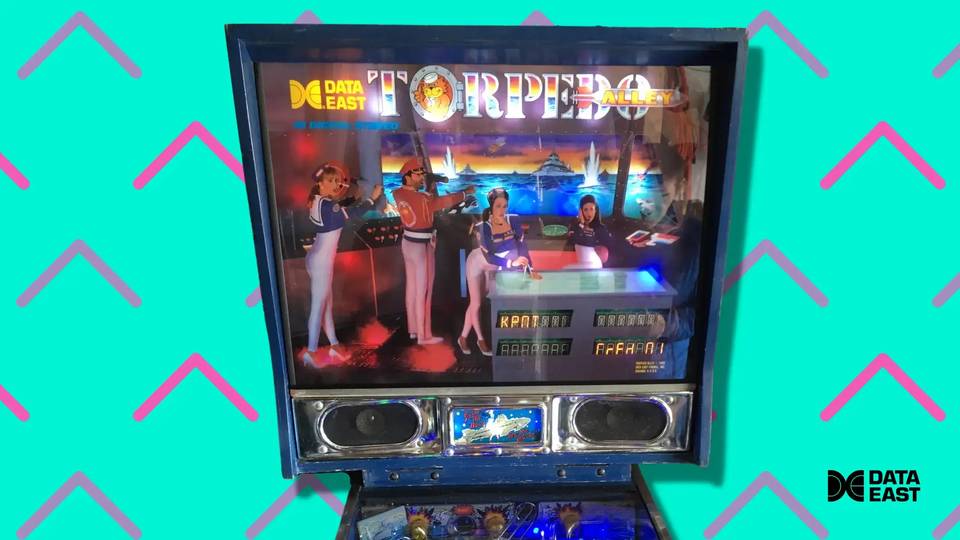
Torpedo Alley
19881 rating so farData EastArt
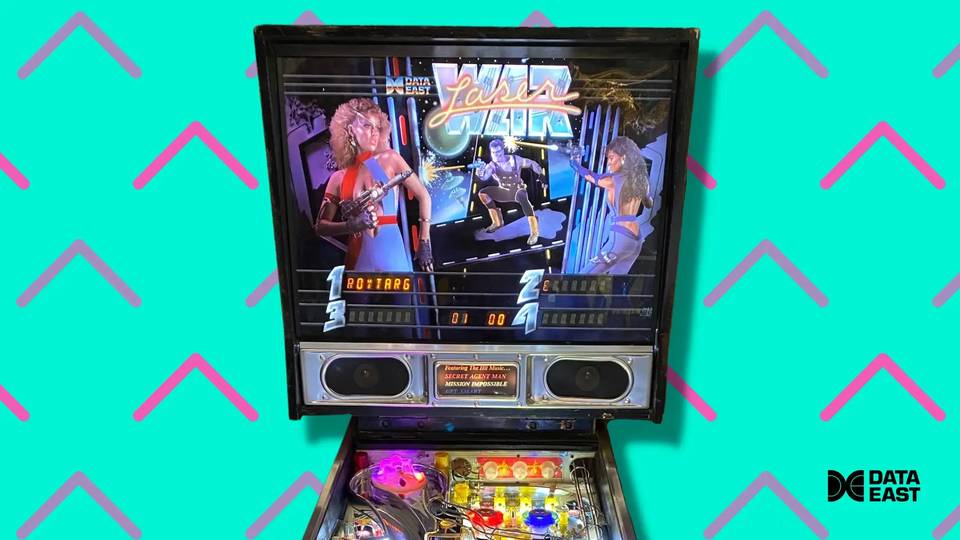
Laser War
19871 rating so farData EastArt

Granny and the Gators
1984BallyArt
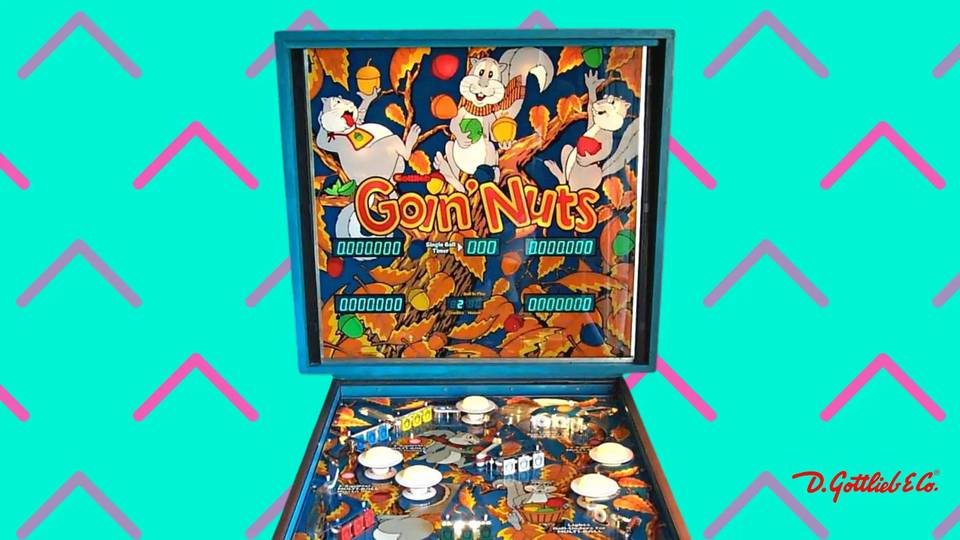
Goin' Nuts
1983GottliebArt
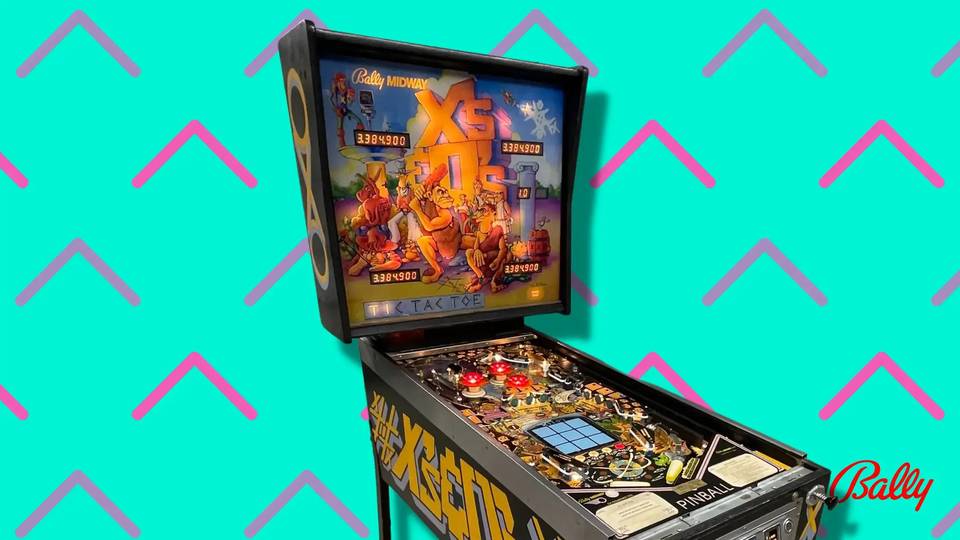
X's & O's
19831 rating so farBallyArt
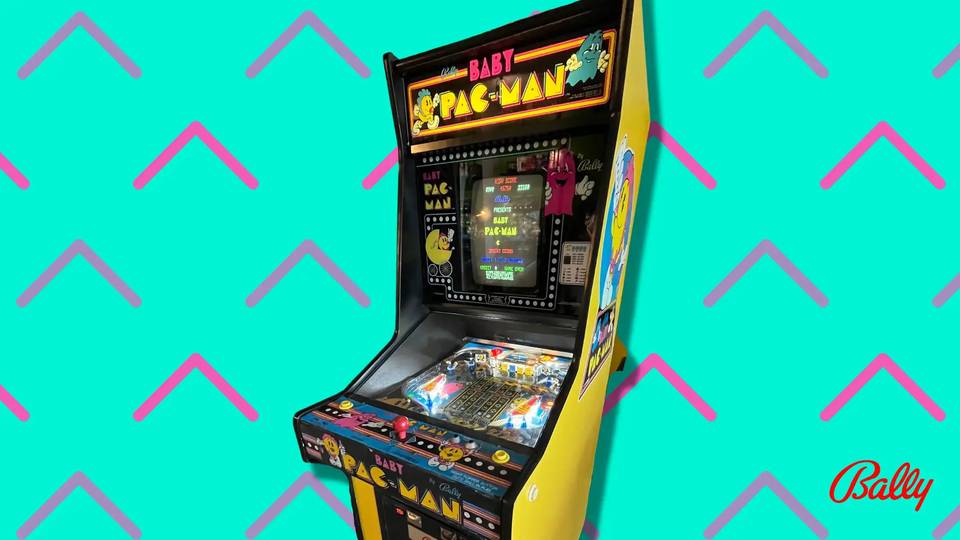
Baby Pac-Man
19823 ratings so farBallyArt

BMX
1982BallyArt
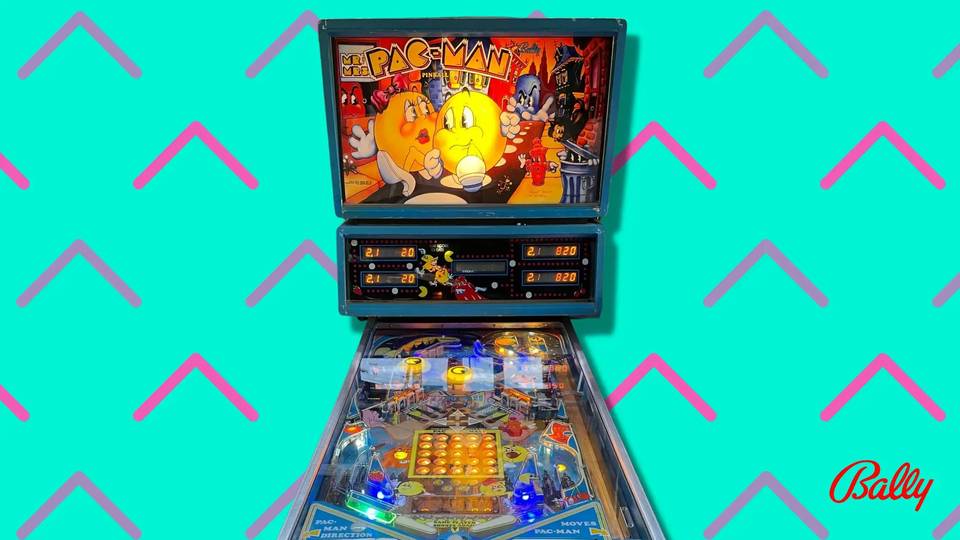
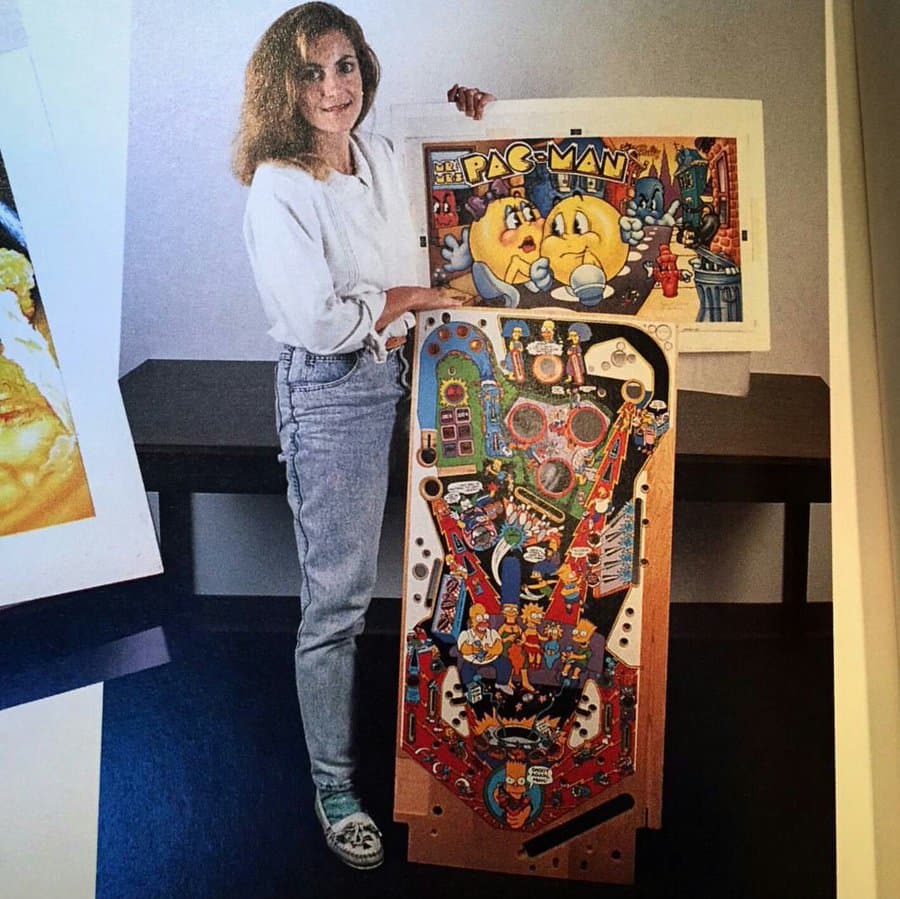
Mr. & Mrs. Pac-Man
198274/100 (5)BallyArt
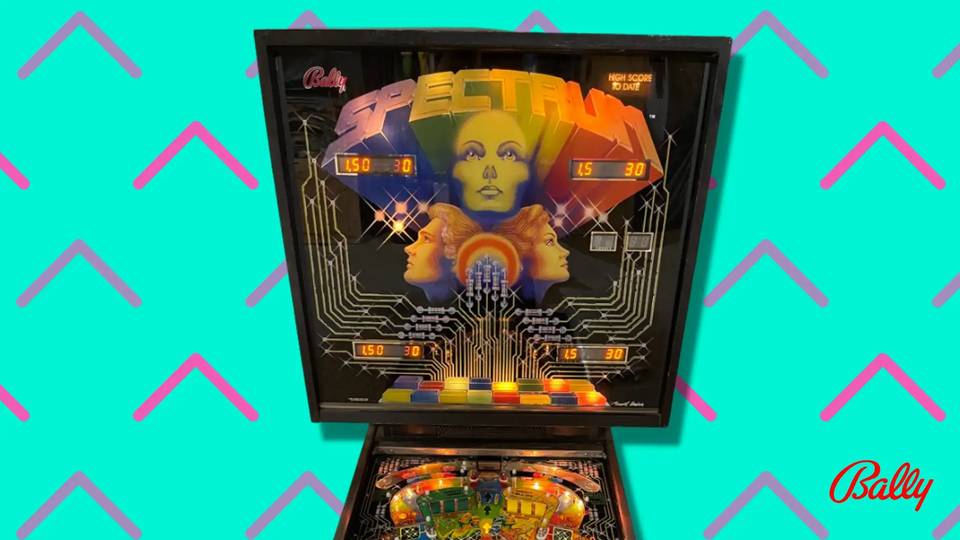
Spectrum
19821 rating so farBallyArt
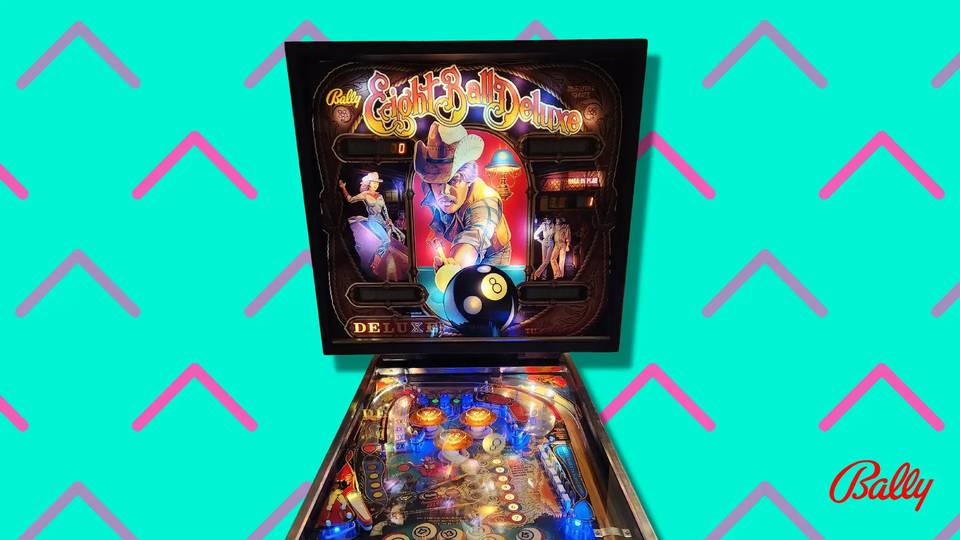
Eight Ball Deluxe
198183/100 (14)BallyArt
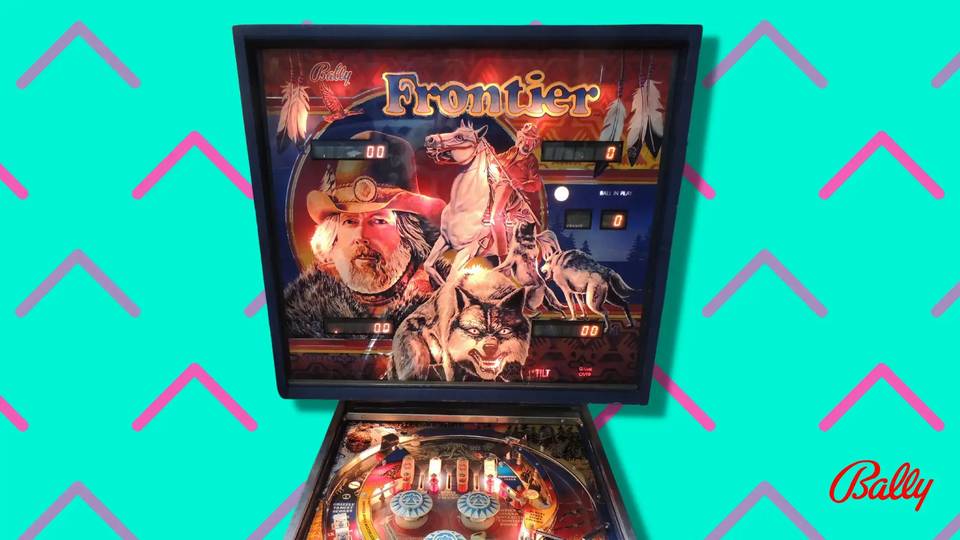
Frontier
19803 ratings so farBallyArt
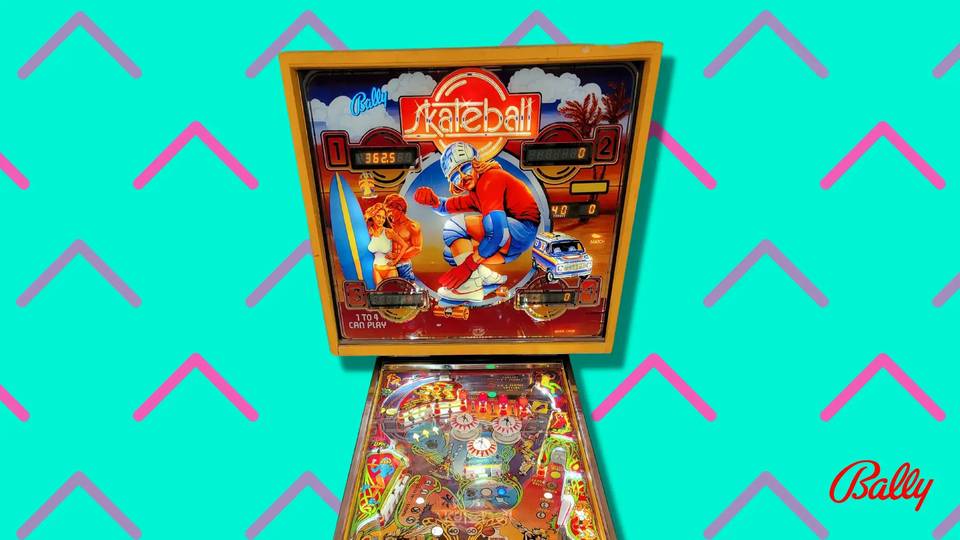
Skateball
19801 rating so farBallyArt
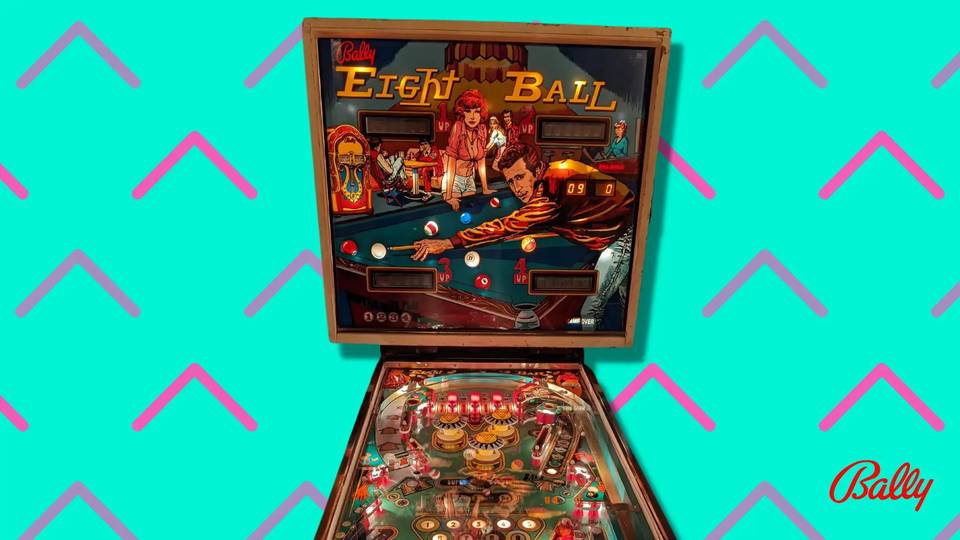
Eight Ball
19771 rating so farBallyArt
About
Margaret Hudson is one of the most accomplished and influential pinball artists in the industry, with a career spanning over three decades from the late 1970s to 2010. She began her journey at Bally in 1976, where she trained under legendary artists Paul Faris and Dave Christensen, mastering both illustration and the technical aspects of pinball art production. Hudson’s first major success came with Eight Ball Deluxe (1981), for which she was the lead artist, creating its now-iconic Western pool hall theme. Her ability to integrate detailed, thematically rich artwork with intuitive gameplay layouts made her a key figure in pinball’s golden era. She later contributed to a range of innovative titles, including Spectrum (1982), Mr. & Mrs. Pac-Man (1982), and Star Trek 25th Anniversary (1991), working across multiple manufacturers, including Bally, Gottlieb, and Data East. In addition to illustration, Hudson played a critical role in pinball’s production process, particularly in color separations and silkscreen preparation, ensuring the highest quality artwork transfer onto playfields and backglasses.
Hudson’s impact extended beyond her artistic contributions. At Data East (1987–1991), she helped establish the company’s art style, working on every title they produced during that period, including The Simpsons (1990), Phantom of the Opera (1990), and Back to the Future (1990). She later returned to pinball in the 2000s, working with Stern Pinball on major titles such as The Simpsons Pinball Party (2003), The Lord of the Rings (2003), and Spider-Man (2007). Her ability to adapt to new technologies—from traditional hand-drawn illustrations to digital production methods—allowed her to remain a vital figure in pinball design. As one of the few prominent female artists in the industry, Hudson also paved the way for greater diversity in pinball’s creative field, mentoring younger artists and proving that talent and expertise transcended gender barriers.
Honored with a Pinball Expo Hall of Fame induction in 2005, Hudson’s legacy is cemented in the enduring appeal of the machines she worked on. Her detailed, vibrant artwork remains beloved by collectors and players, and her contributions to pinball’s manufacturing processes have influenced modern pinball design. Today, the principles she championed—strong thematic cohesion, clear visual storytelling, and meticulous attention to production detail—continue to shape new pinball machines. Through both her artistic mastery and technical expertise, Margaret Hudson has left an indelible mark on the pinball industry, securing her place as one of its most respected and pioneering figures.
Kineticist Articles

Around pinball
Videos, podcasts and articles from elsewhere.
Mentioned in
Page updated July 2026 · Suggest a correction


