Episode 115 - The Age of Desperation and Innovation: Gottlieb System 80A

Wedgehead Pinball Podcast
1 hr 15 min
Summary
Wedgehead examines Gottlieb's experimental 1982-1985 System 80A era as creative desperation amid management chaos.
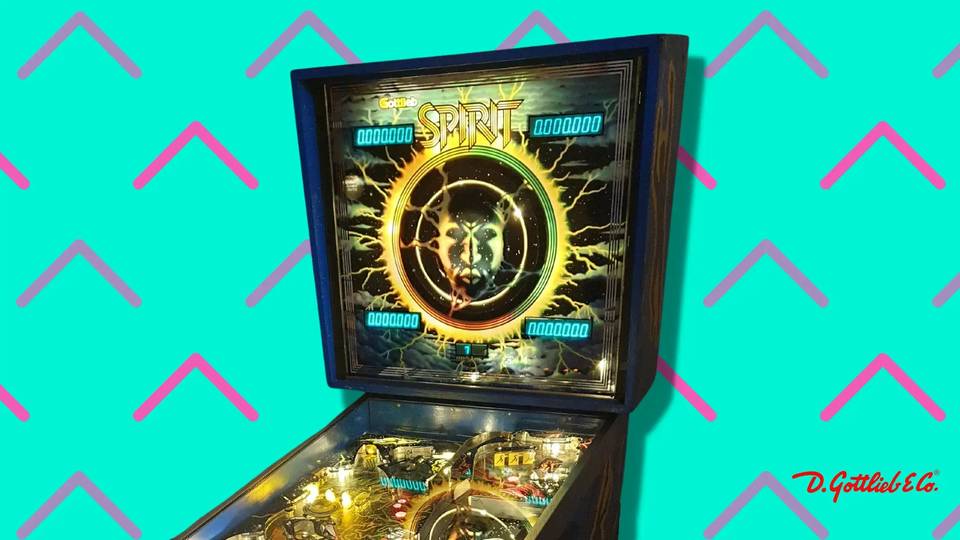
Wedgehead Pinball Podcast covers the Gottlieb System 80A era (1982-1985), a period of experimental game design during the company's management chaos under Coca-Cola/Mylstar/Premier ownership. Hosts Alex and Alan evaluate 20 games from this era using a 'stuck or plopped' ranking system, discussing standout titles like Spirit (a heavily-mechanicked Trudeau design that became a collector grail), Devil's Dare (strong sales despite devil theming), and canceled prototypes like Goin' Nuts. The episode explores Gottlieb's pivot toward European markets and innovative but risky game concepts during a period when video games were cannibalizing pinball sales.
Highlights
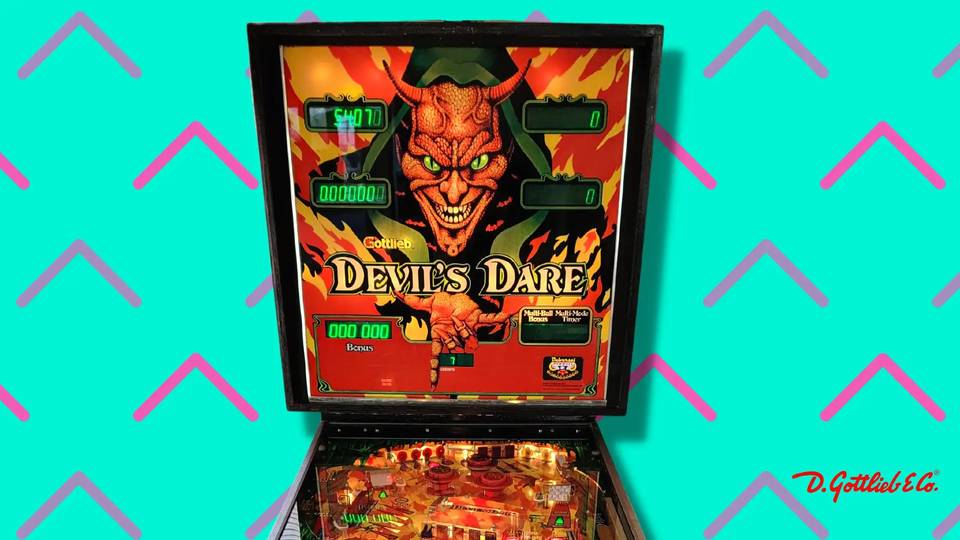
- Devil's Dare sold 3,800 units, making it the most successful System 80A game despite devil theming during the Satanic Panic era.
- Spirit was produced in 1,200 units but most or all went to Europe, making it extremely rare in the US market and heavily sought by collectors.
- Devil's Dare introduced the multiball restart feature, allowing players to restart their multiball after losing balls rather than relying on ball saves.
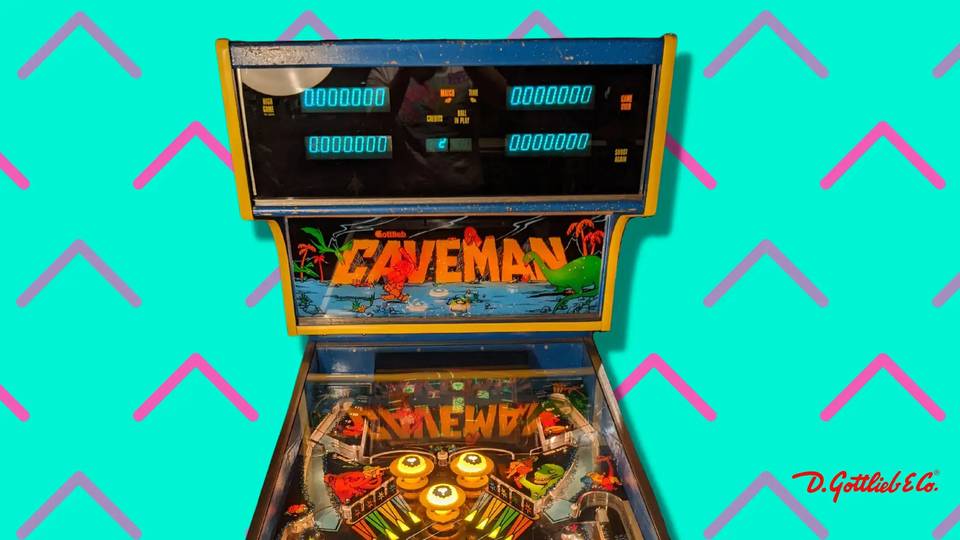
- Gottlieb released Caveman, the first hybrid pinball-video game machine, before Baby Pac-Man and other video-pinball hybrids.
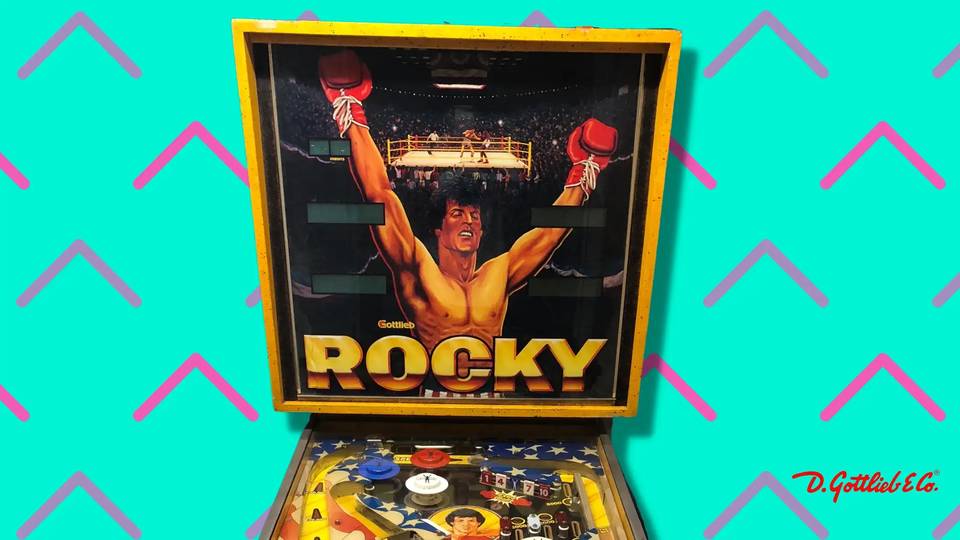
- Rocky is Trudeau's first Gottlieb design credit and only Rocky-themed pinball machine, selling for $10,000-$12,000 despite mediocre gameplay.
- A Rocky pinball machine appears in the Rocky III movie when Paulie smashes it in an arcade, but the on-screen machine was actually a repurposed Force Two cabinet, not the production Rocky game.
- Spirit features two-inch flippers in the outlanes that can save the ball and flip back into the inlanes through gates: a unique feature.
- Goin' Nuts prototype features seven pop bumpers arranged individually across the playfield rather than clustered, with a time-based gameplay system starting in constant multiball.
- Black Hole designer credit is inconsistently attributed as either Adolf Seitz Jr.. or Shing Lam depending on database, possibly indicating a pseudonym or anglicized name choice by an Asian designer.
- Gottlieb management changed hands repeatedly in the 1980s: Coca-Cola purchased Columbia Pictures (which owned Gottlieb), renamed the company Mylstar, then sold it to a group that renamed it Premier.


Comments