Games
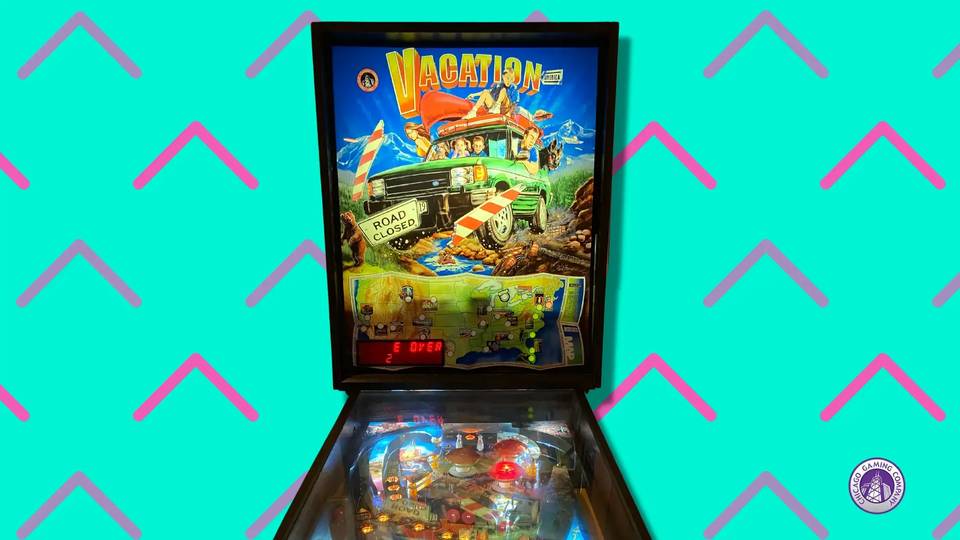
Vacation America
2003Chicago Gaming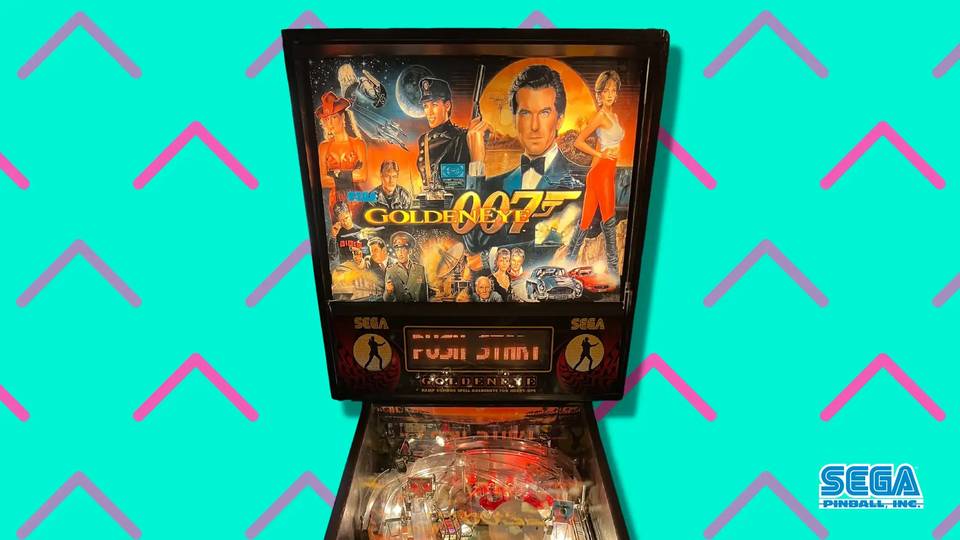
Goldeneye
1996Sega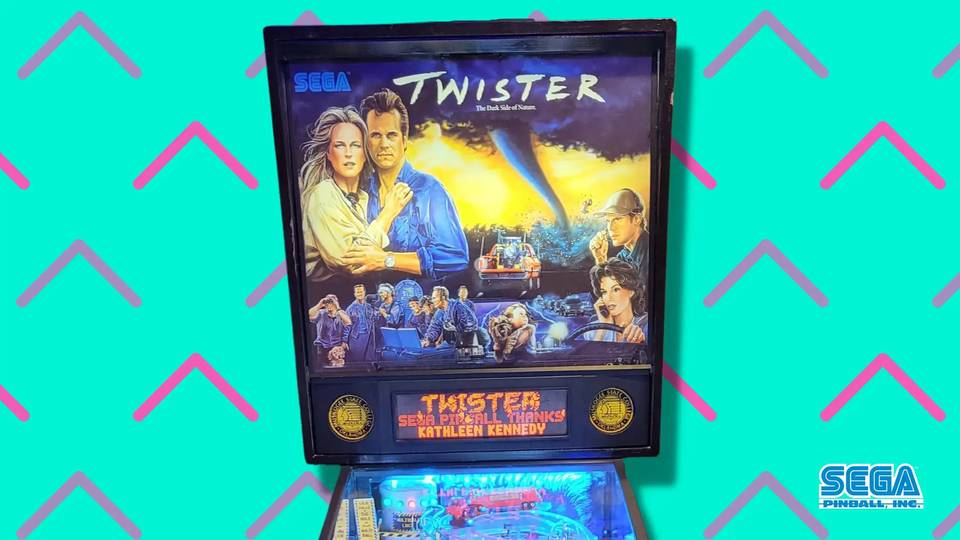
Twister
19961 rating so farSega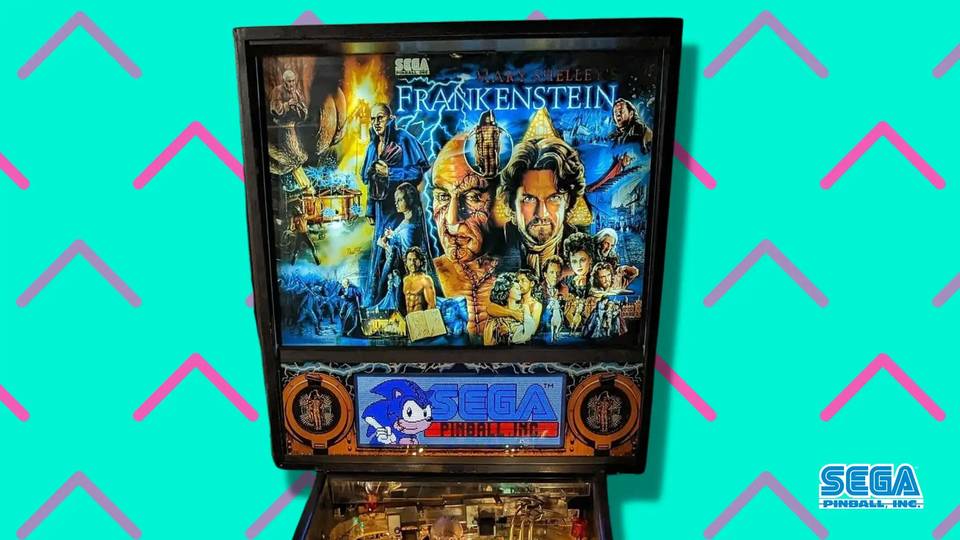
Mary Shelley's Frankenstein
19951 rating so farSega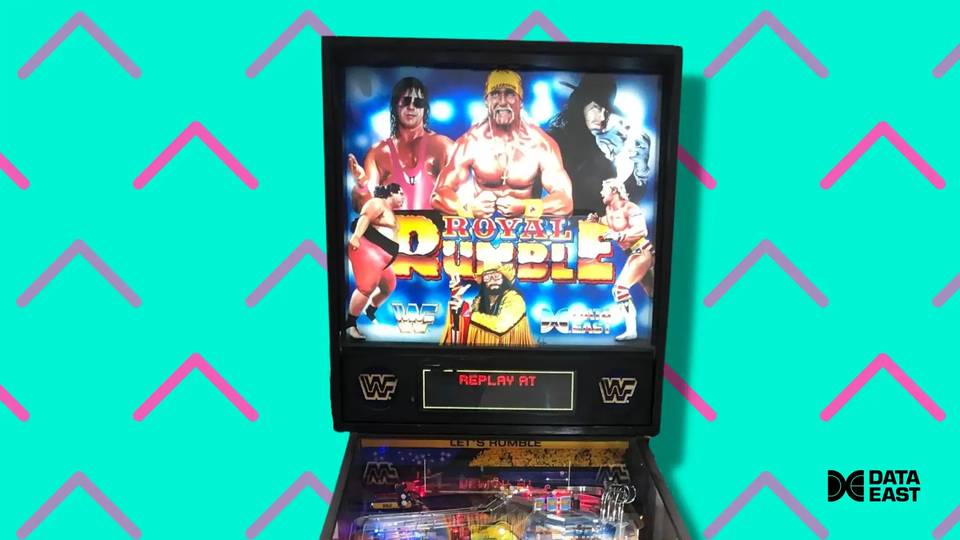
WWF Royal Rumble
19942 ratings so farData East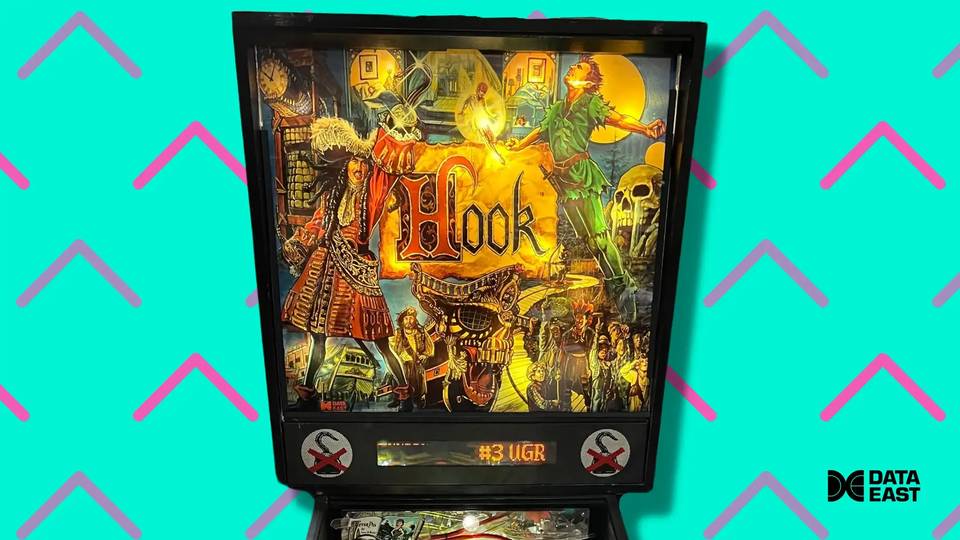
Hook
19922 ratings so farData East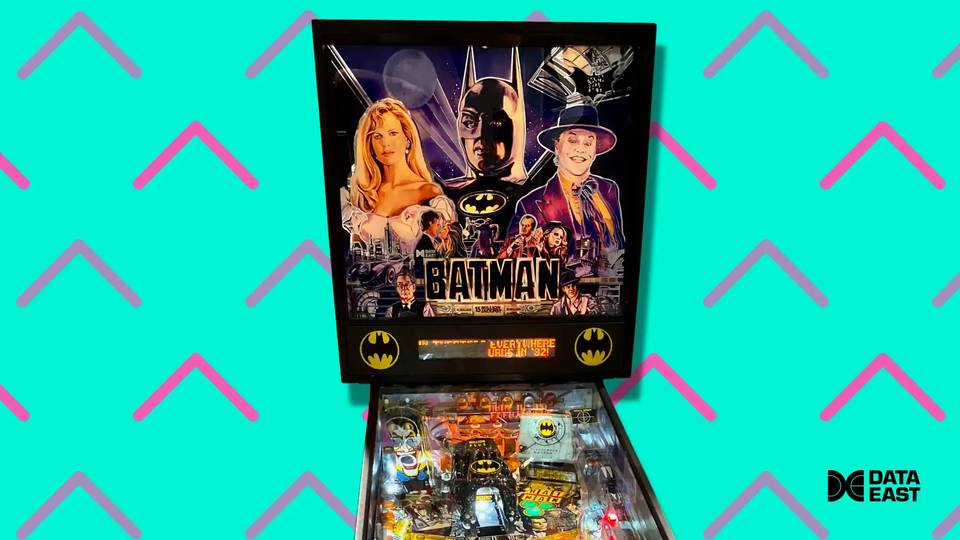
Batman
1991Data East
Checkpoint
19911 rating so farData East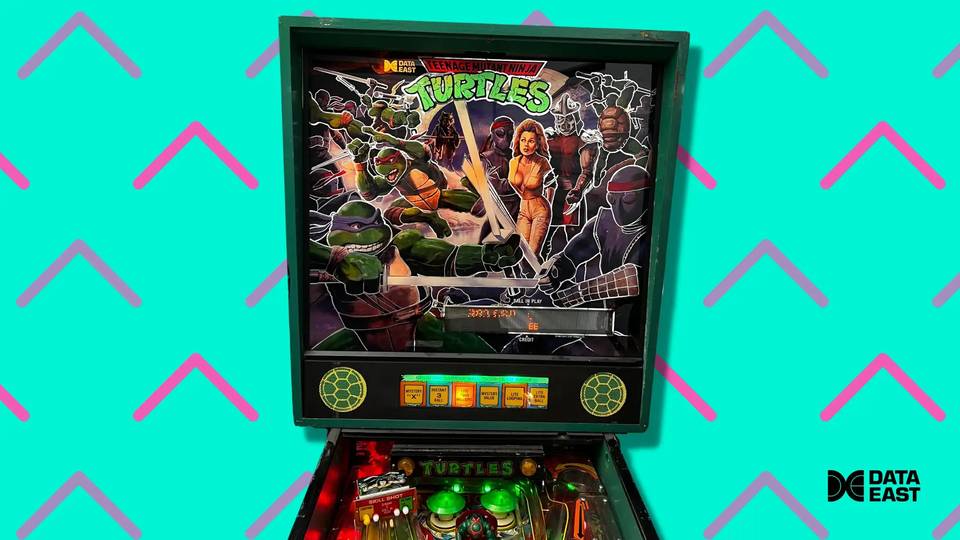
Teenage Mutant Ninja Turtles
19912 ratings so farData East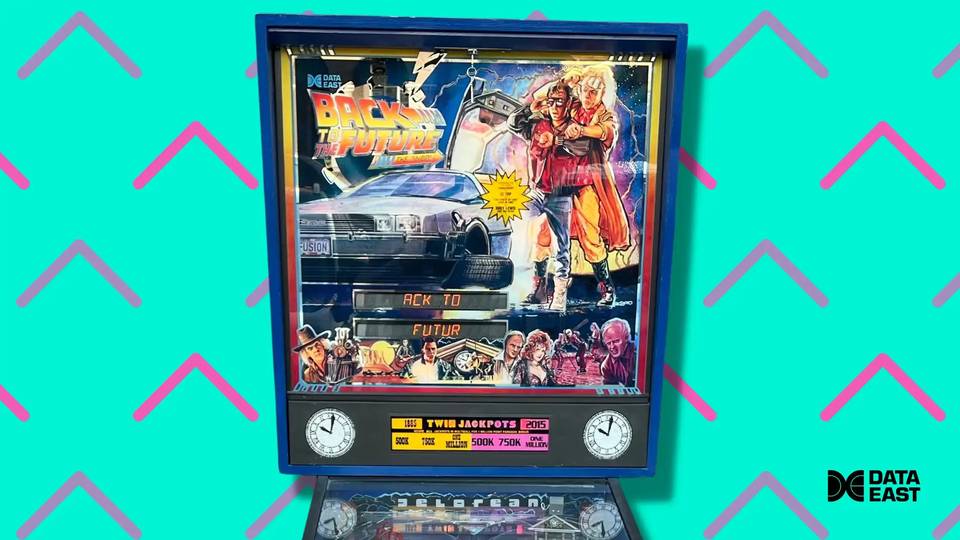
Back to the Future
19901 rating so farData East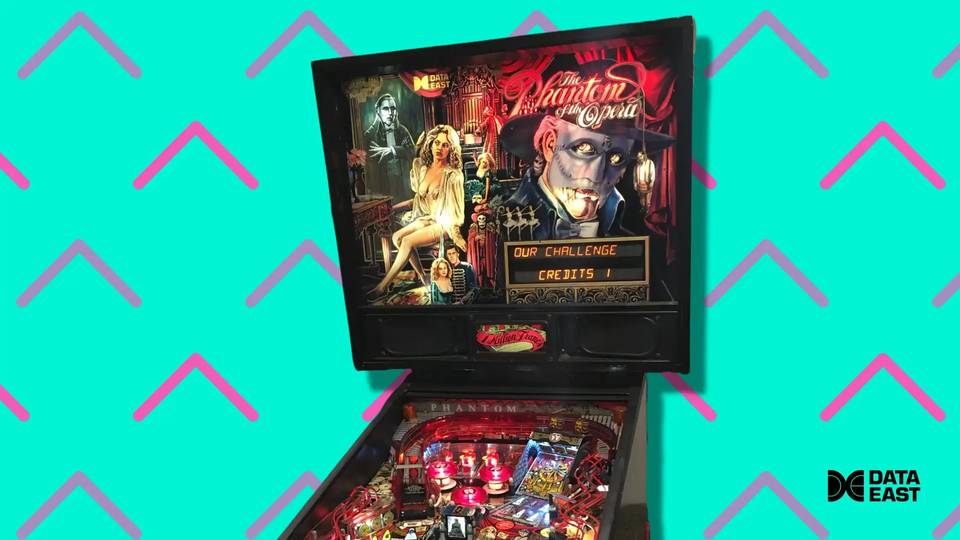
Phantom of the Opera
1990Data East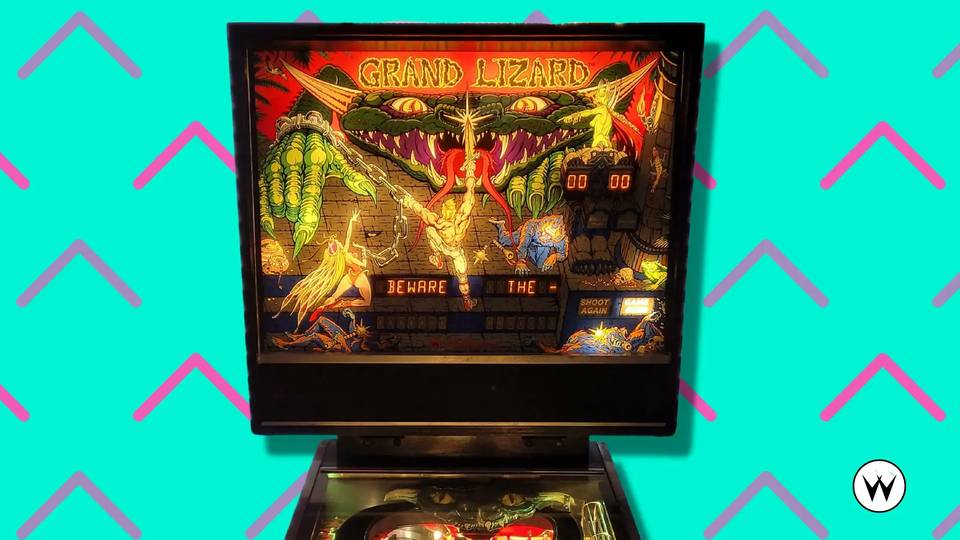
Grand Lizard
1986Williams
Andromeda
19851 rating so farGame Plan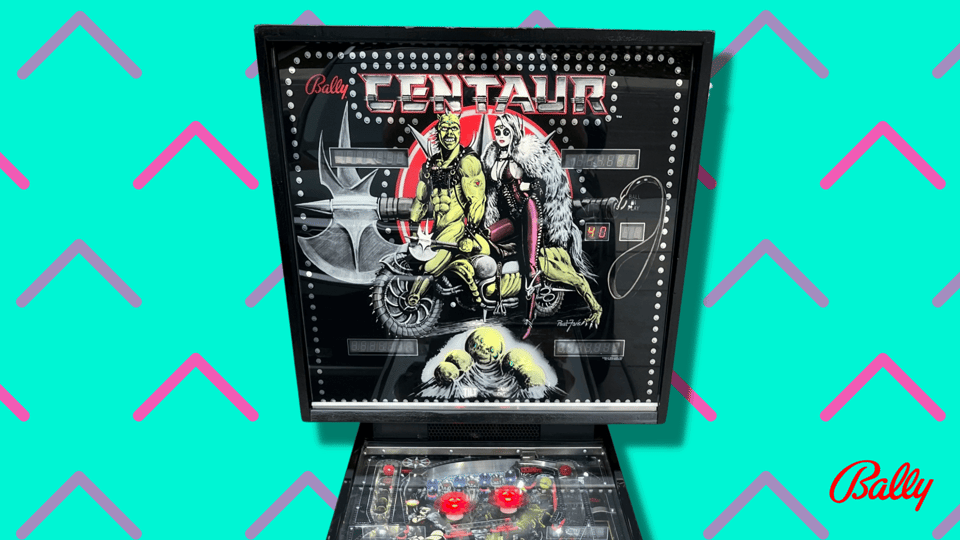
Centaur
198186/100 (12)Bally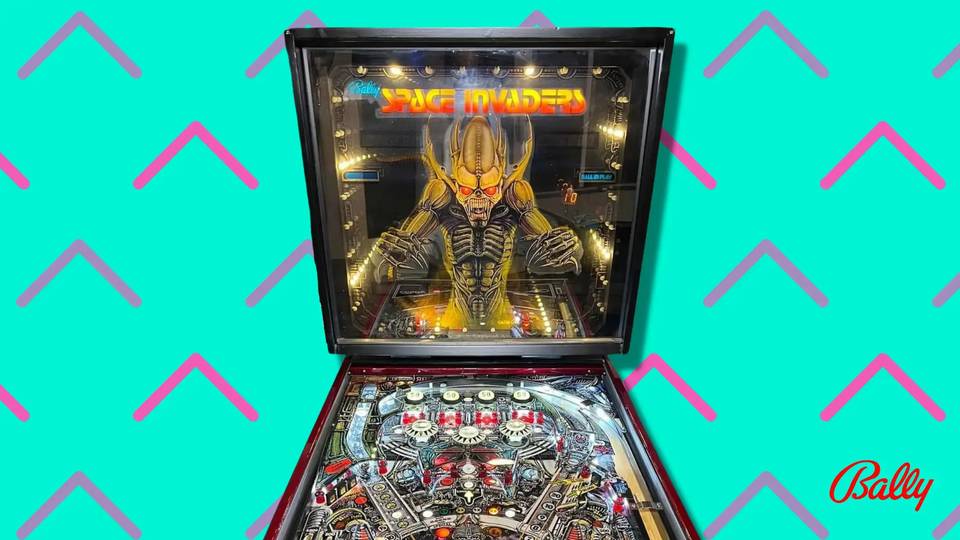
Space Invaders
19803 ratings so farBally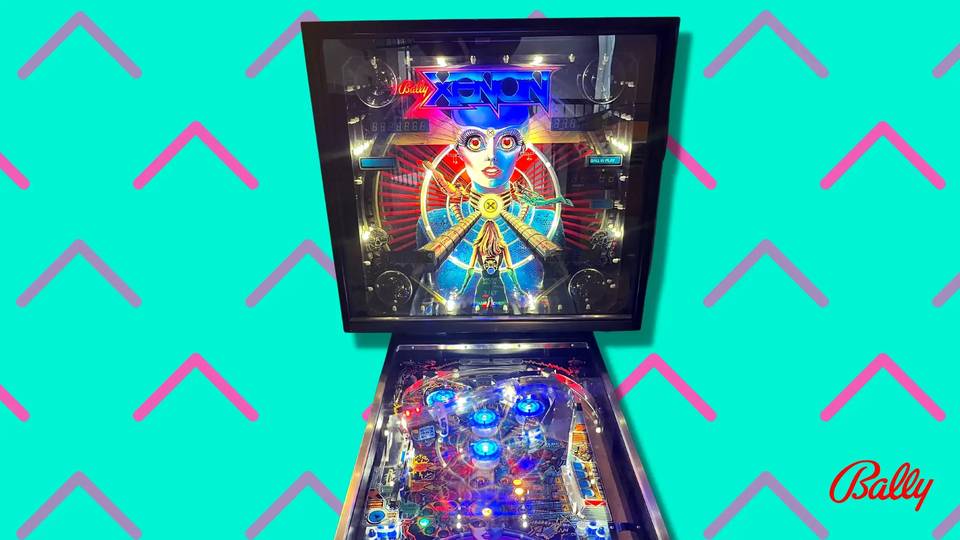
Xenon
198090/100 (8)Bally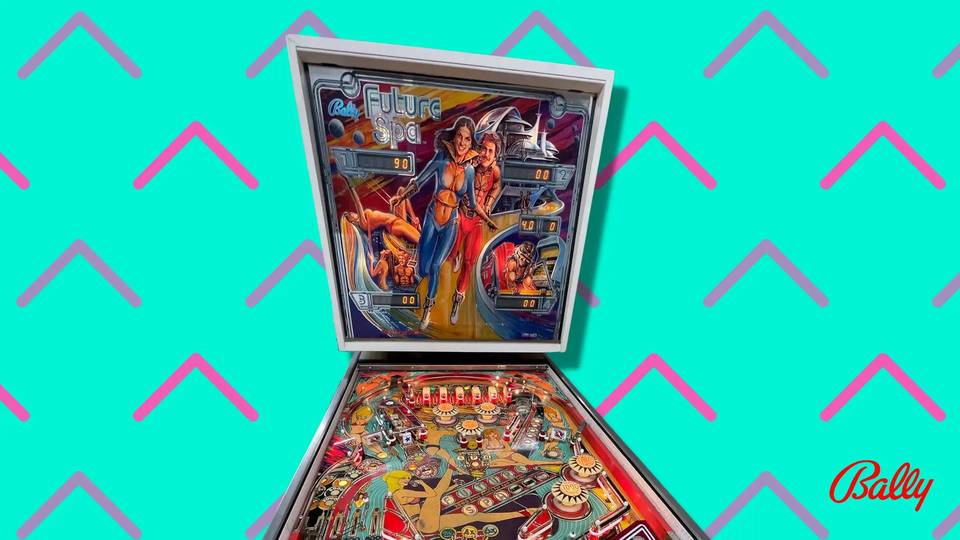
Future Spa
19792 ratings so farBally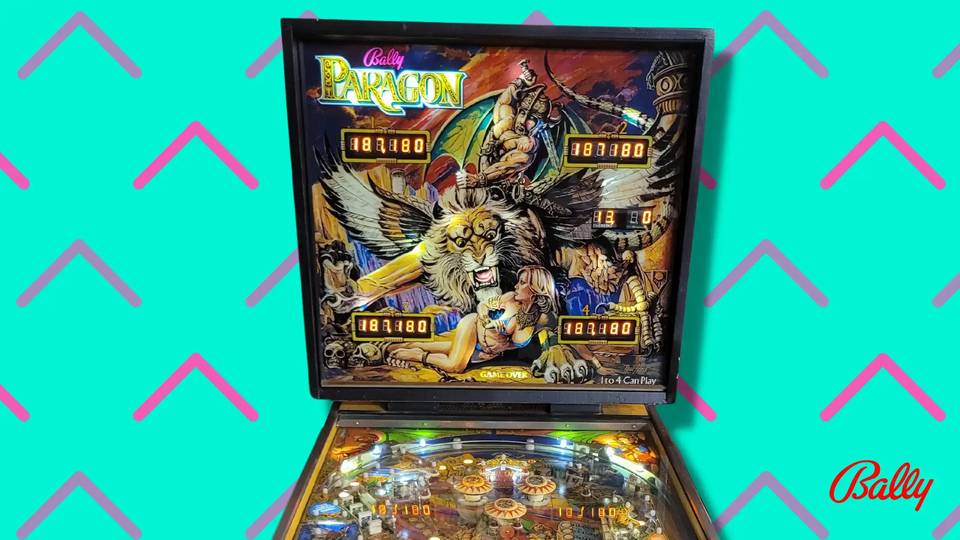
Paragon
197987/100 (7)Bally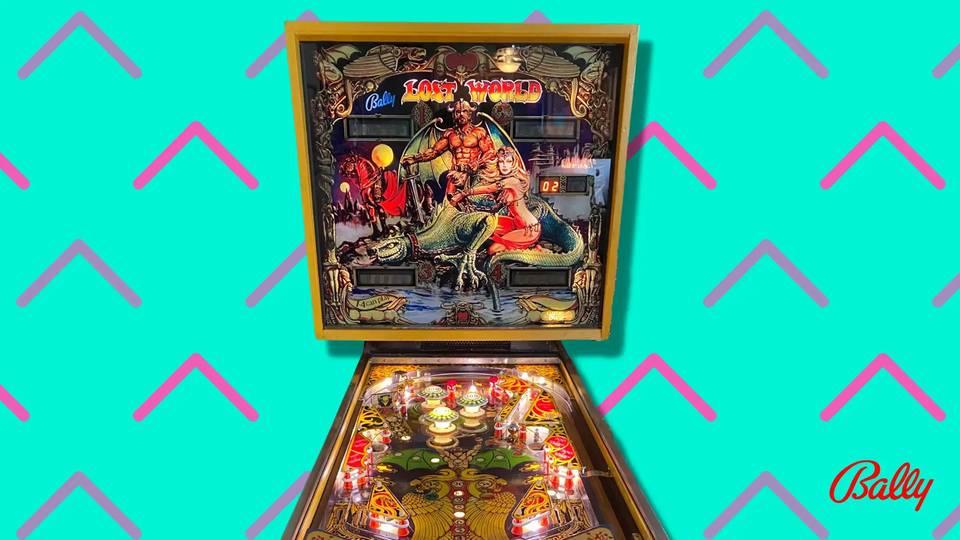
Lost World
1978Bally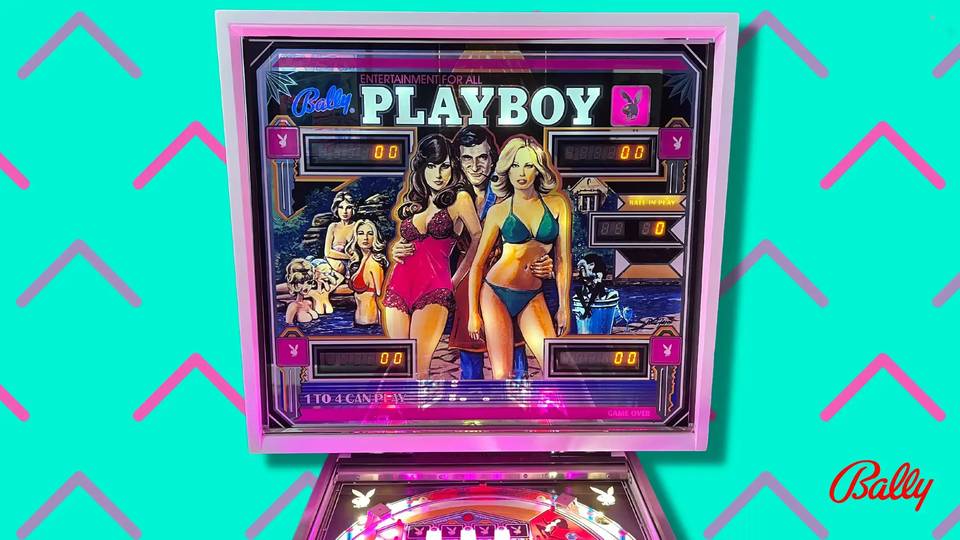
Playboy
19781 rating so farBally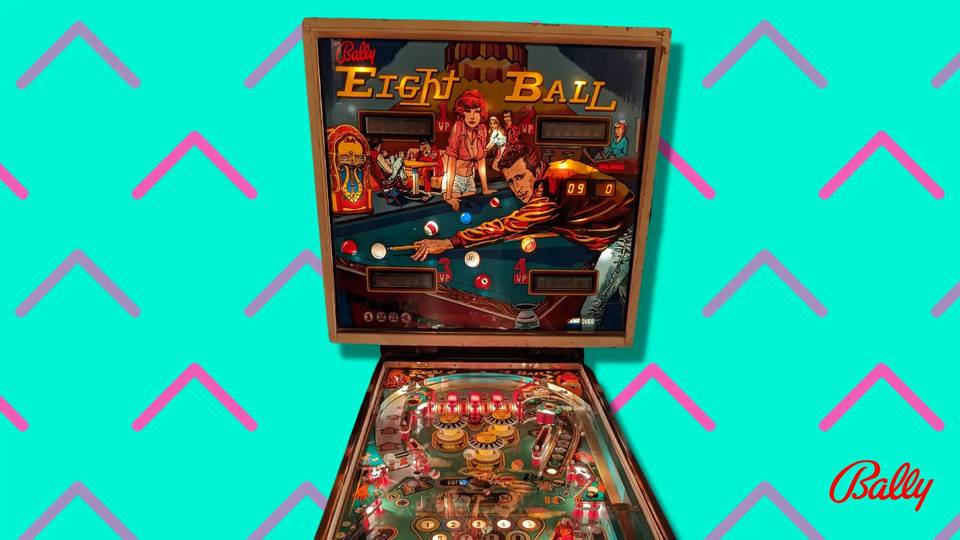
Eight Ball
19771 rating so farBally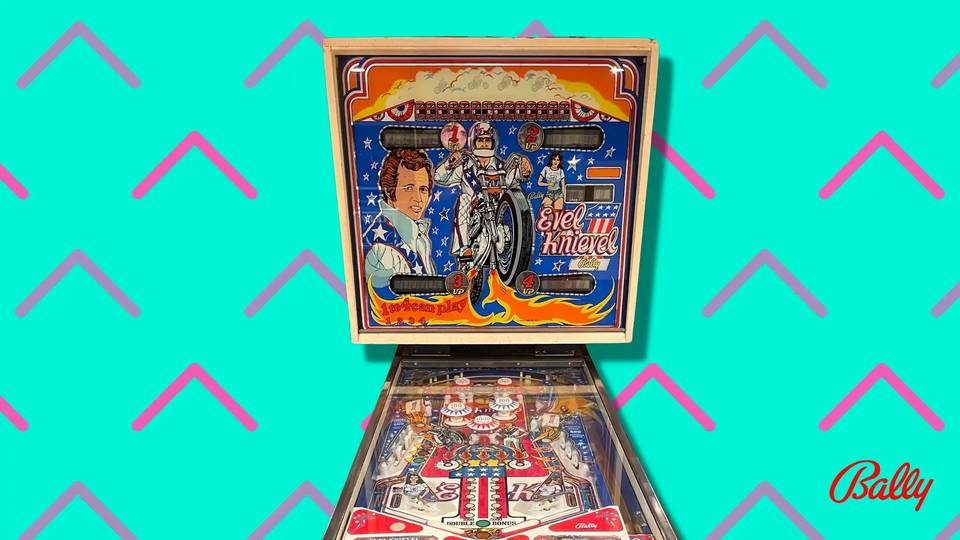
Evel Knievel
19772 ratings so farBally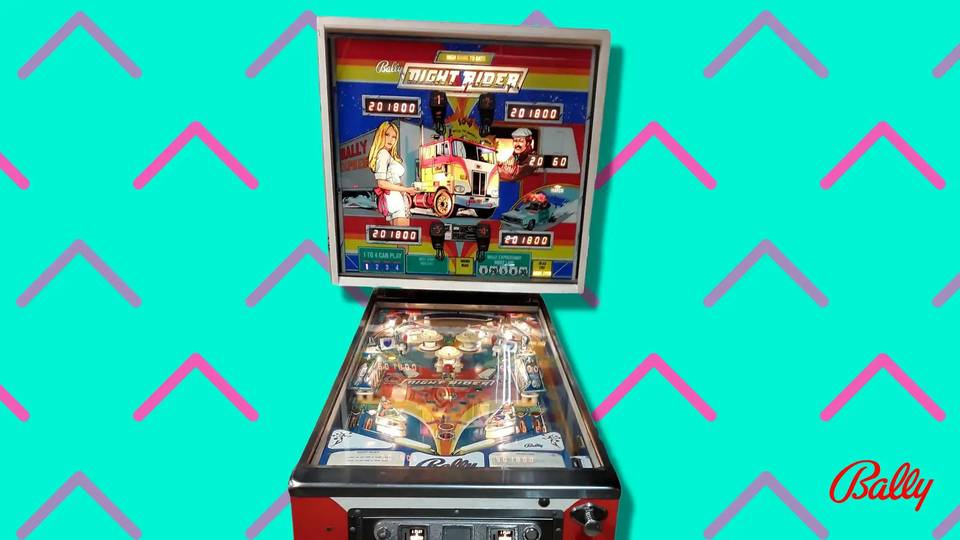
Night Rider
19764 ratings so farBally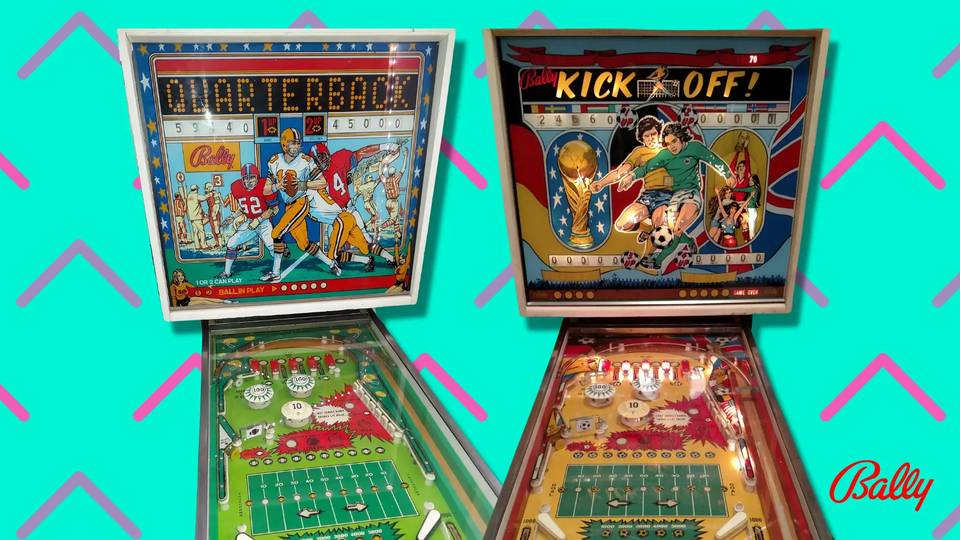
Kick Off / Quarterback
19751 rating so farBally
About
Paul Faris is one of the most influential artists in pinball history, known for his intricate, visually striking backglass and playfield designs that helped define the golden age of pinball. Beginning his career at Bally in the mid-1970s, Faris quickly rose to become the company’s Art Director, overseeing a wave of classic machines that blended bold fantasy, sci-fi, and pop culture themes with rich, detailed artwork. His work on Playboy (1978), Paragon (1979), Xenon (1980), and Centaur (1981) set new standards for pinball art, introducing innovative techniques such as UV-reactive inks, multi-layered backglasses, and high-detail silk-screening. These techniques enhanced both the vibrancy and durability of pinball artwork, making Bally’s machines stand out in crowded arcades. Faris’s approach to integrating theme, playfield art, and backglass design into a cohesive visual narrative not only influenced game aesthetics but also helped drive player engagement, cementing his reputation as a master of the craft.
Beyond his artistic achievements, Faris played a key leadership role in shaping the industry’s creative direction. As Bally’s Art Director, he nurtured and mentored a new generation of pinball artists, including Greg Freres and Kevin O’Connor, helping to establish a lasting legacy of excellence in pinball design. When pinball faced challenges from the rising video game industry in the 1980s, Faris adapted by expanding his artistic work into arcade cabinets and later transitioning into freelance pinball art, contributing to Data East and Sega titles such as Back to the Future (1990), Teenage Mutant Ninja Turtles (1991), and Phantom of the Opera (1990). His ability to evolve with the industry, from traditional hand-drawn art to digital enhancements, ensured his continued relevance in pinball’s changing landscape. Even after stepping away from full-time pinball work in the 2000s to focus on teaching, Faris remained connected to the industry, participating in events and lending his expertise to newer projects, including a brief role at deeproot Pinball in 2018.
Faris’s contributions to pinball extend far beyond his personal artwork; he helped elevate the entire medium, ensuring that pinball machines were not just games, but also works of art that told compelling visual stories. His influence is still seen in modern pinball, as contemporary manufacturers draw inspiration from his rich, illustrative style, and digital pinball platforms preserve his work for new generations of players. Inducted into the Pinball Expo Hall of Fame in 2006, Faris is widely regarded as a legend in the field, with fans and industry veterans alike praising his creativity, technical innovation, and leadership. His legacy endures in every pinball machine that prioritizes artistic immersion, proving that great pinball art is as timeless as the silver ball itself.
Kineticist Articles

Around pinball
Videos, podcasts and articles from elsewhere.
Mentioned in
Page updated April 2026 · Suggest a correction