Dirty Pool Podcast - Ep43 - Elizabeth Gieske on Designing Pinball
Summary
Stern lead programmer Elizabeth Gieske discusses pinball programming craft, Transformers code updates, and scoring exploit design.
Dirty Pool Podcast Episode 43 features Elizabeth Gieske, a Stern Pinball lead programmer who led rules design and programming on Transformers and worked on Jaws and Dungeons & Dragons. The conversation covers her path from non-pinball software work into pinball, her competitive play, the technical challenges of programming pinball (hardware weirdness, timers, light stacking), and design philosophy around scoring exploits and punishing players. Host Jeff Dodson steers discussion toward programming craft rather than Transformers launch talk.
Highlights
- Transformers was on code version around the nines (roughly 0.9.x) with two more updates planned before 1.0.
- A Megatron double-progress bug in Transformers was found and is fixed in an upcoming update.
- Transformers contains a Dinobot Multiball scoring mechanic where jackpot value doubles per ball in play; the next update doubles base value, potentially reaching roughly a billion-point shot with six balls.
- Jaws has a long multi-step score exploit yielding on the order of 12 billion points, acceptable because setup takes about 30 minutes.
- Gieske was initially given a lighting task on Jaws (Beach Panic) by Rick, and the inlane lighting task proved surprisingly complex.
- Early in Transformers development, the rule set was locked enough to require a minimum of five (ideally seven) standup targets, which Elliot Eismin was directed to preserve.
- Gieske's light-show approach uses a priority system because Transformers shares a single mode insert across all multiballs and modes.
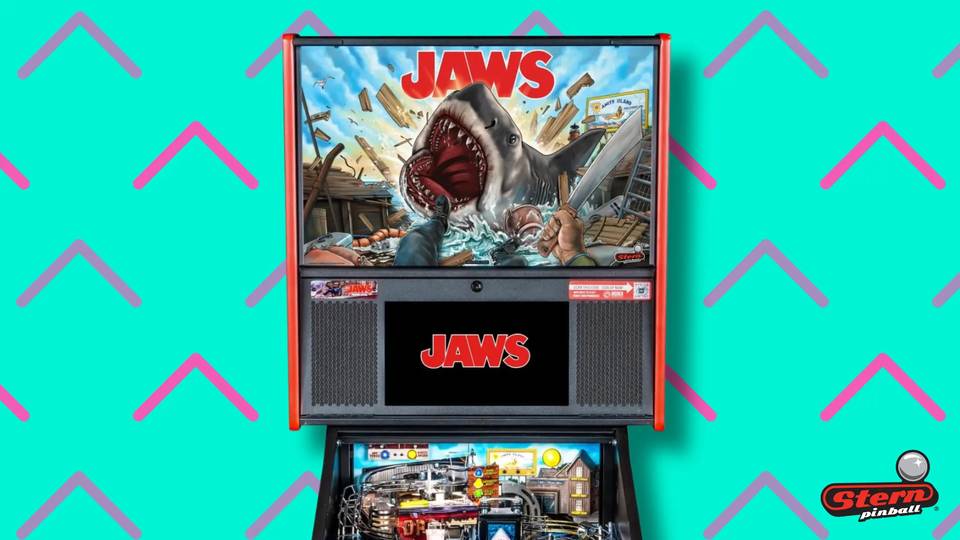
▶ Full Dirty Pool Podcast Playlist Elizabeth Gieske joins Dirty Pool to discuss the philosophy behind modern pinball rules design. From competitive player to lead programmer on Stern's Transformers, Elizabeth has worked on Jaws, Dungeons & Dragons, and Transformers: More Than Meets the Eye. We get into the balance between competitive scoring and entertainment, creating original gameplay, and how software decisions influence the physical design of a pinball machine. We also discuss the challenges of communicating complex rules through audio and animation, collaborating with other designers, and knowing when an idea needs to change.

Comments