Episode 123 - The Physical Game
Podcast

Wedgehead Pinball Podcast
54 min
Summary
Playfield geometry spectrum: unique-but-clunky vs. familiar-but-derivative shot layouts.
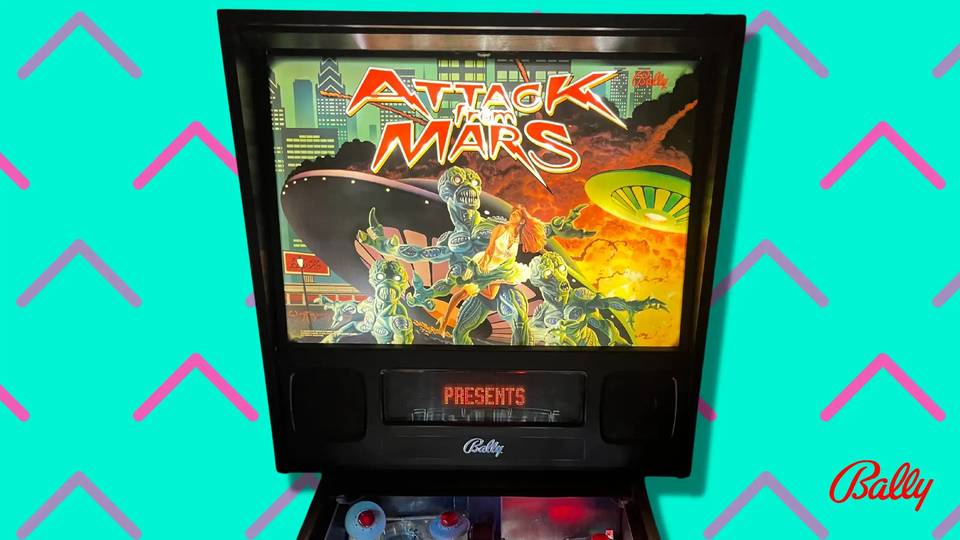
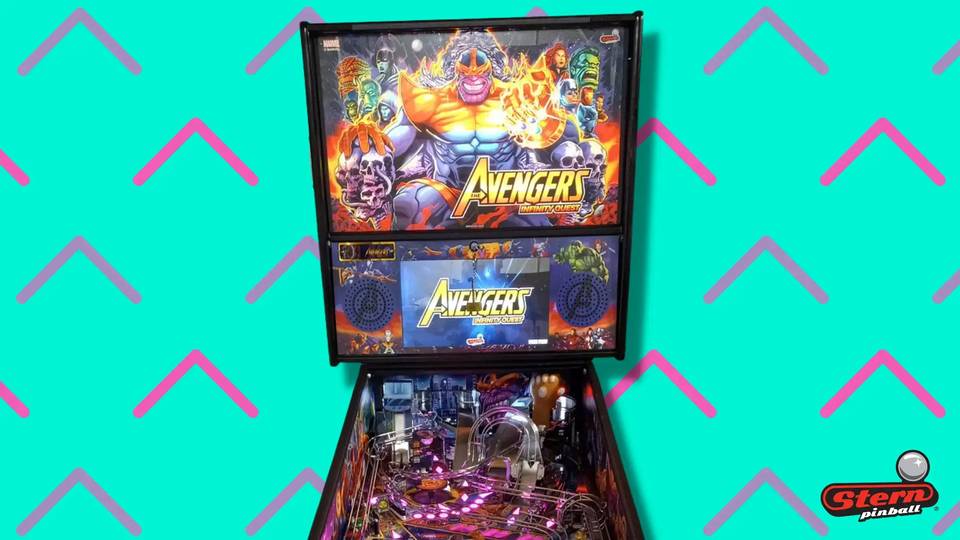
Alan and Alex of the Wedgehead Pinball Podcast explore how physical playfield layout and shot geometry affect a pinball machine's feel and playability. They discuss the spectrum between unique/novel layouts (like Uncanny X-Men, Avengers Infinity Quest) that feel fresh but introduce clunkiness, versus classic/familiar layouts (like Attack from Mars, Pokémon) that are comfortable and smooth but derivative. They trace design philosophy from EM-era designers through Steve Ritchie ("flow") and Pat Lawlor ("stop-and-go") as opposing poles, then examine modern designers and the trade-off between novelty and polish.
Highlights
- The late 1970s transition to solid-state pinball introduced the role of the lead programmer, separating from the designer's work in EM machines.
- High Speed (1986) is the first clear example of his 'flow' design philosophy with repeatable upper loops and fan layout.
- Pat Lawlor officially retired after Toy Story 4.
- Unique/novel playfield layouts inherently introduce more clunkiness and rejects due to unusual angles and non-standard geometry.
- The two-flipper fan layout is the foundational backbone of modern pinball and has been optimized for smooth play over 30 years.
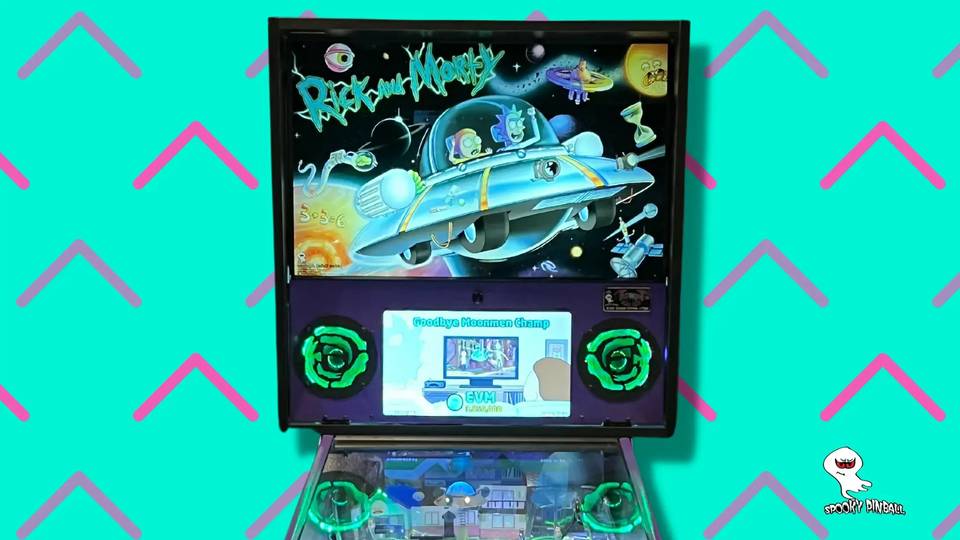
- Rick and Morty intentionally splits its layout: right side familiar/friendly, left side unusual/goofy, per Scott Danesi's design intent.
- John Borg games sit between Steve Ritchie and Pat Lawlor on the spectrum: Steve-style layouts with big Central Park-style toys that stop the ball.
- Rhodes (Wedgehead operator) recently bought an Uncanny X-Men Premium because the novel layout excited him after a long career in pinball.



Comments