The dot matrix display, first seen on Data East’s Checkpoint in 1991, is an iconic pinball innovation. It gave games new ways to show scores, play animations, incorporate game themes, and… offer video games. The video mode was a divisive concept when it first began to appear, and is largely tolerated now, but in the early days of the DMD, with every memorable video mode came several forgettable, janky, or downright bad showings.
Here’s our list of the ten worst video modes from the 1990s.
#10: Psychic Test (Starship Troopers, Sega, 1997)
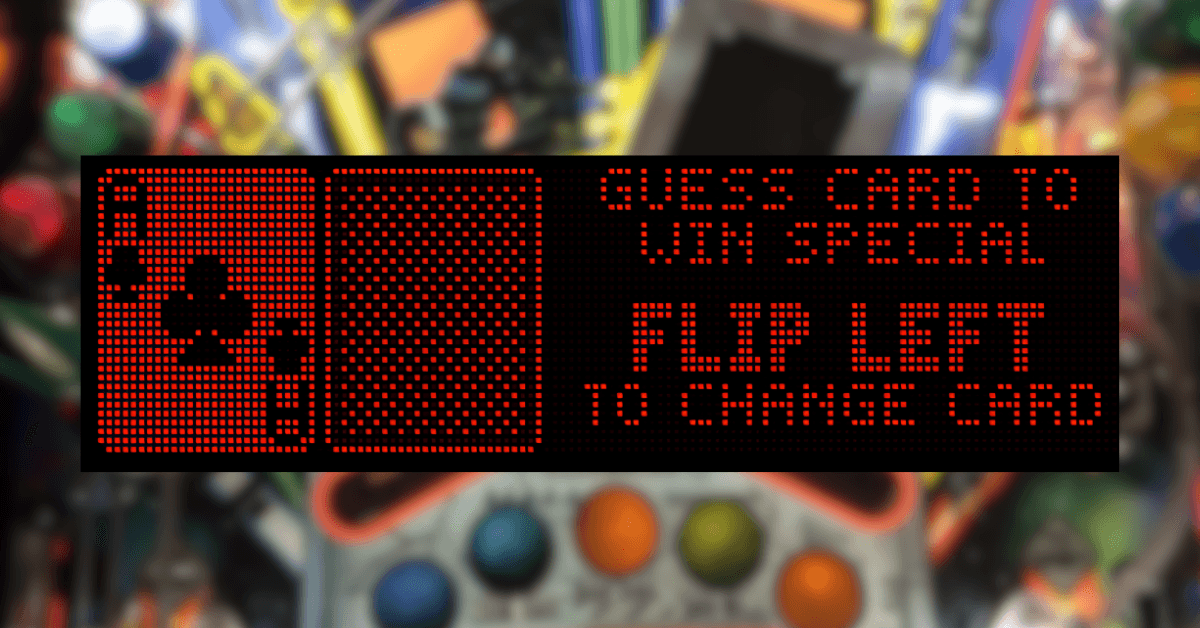
In Psychic Test (Starship Troopers), the player is asked to name which playing card from a standard deck was randomly chosen by the game. An exact correct guess scores a Special (or 20,000,000 points), and guessing the correct suit but wrong rank gives a consolation prize of 3,000,000.
There are a couple of points for creativity to be given out here for picking a video mode that’s relatively unique while maintaining a connection to the game’s theme, but the execution just feels like a massive hiccup in what is otherwise a surprisingly good-feeling flow game.
Using the left flipper to scroll through 52 options in one direction is a bit excessive, and the grand prize feels like playing a lottery, especially if you pull it off in a competitive setting. This mode could have been improved with significantly fewer options and a way to normalize/’rig’ the guess for tournaments.
#9: The Amazing Roonie (Cirqus Voltaire, Bally Williams, 1997)
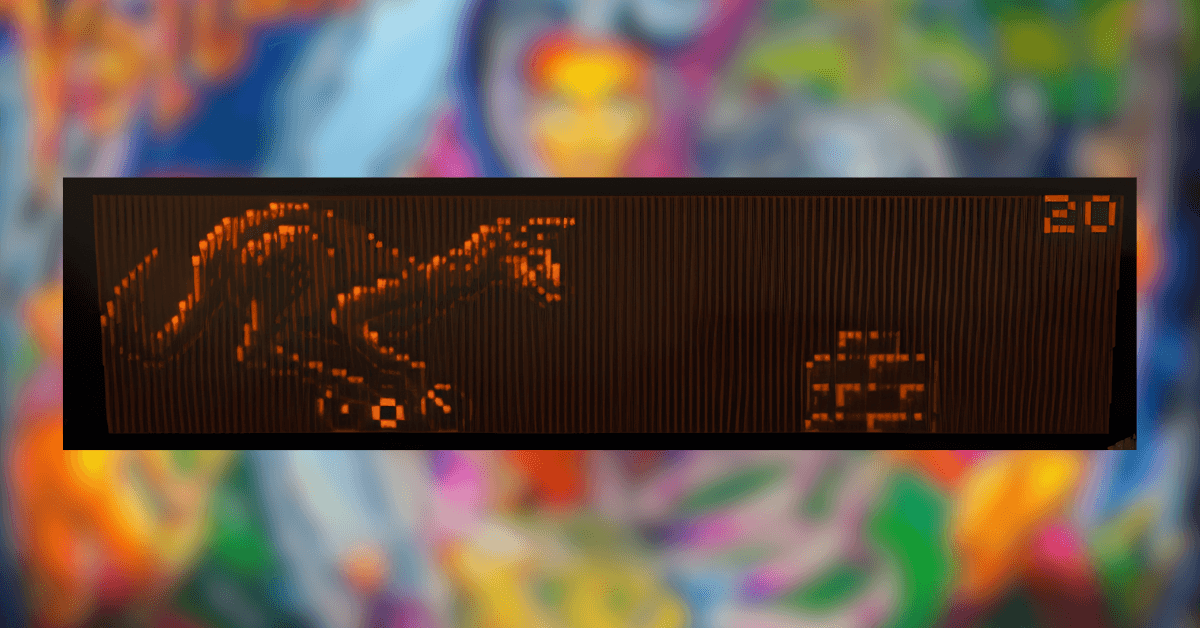
The Amazing Roonie is not often seen on Cirqus Voltaire, since it is one of many modes that can be triggered by entering the Sideshow. Similarities to the beloved video mode from Doctor Who (Bally Williams, 1992) are obvious: a character moves to the right on their own, and the flipper buttons are used to jump over obstacles. Cirqus Voltaire requires pressing both flipper buttons to jump, though, and there is no way to vary Roonie’s jump distance, which limits the available skill and strategy somewhat.
The Amazing Roonie is also quite long, and the 2,900,000 points at the end for anyone who completes it are only barely worth it. In a game so loaded with rules, toys, and features as Cirqus Voltaire, The Amazing Roonie falls flat.
#8: Spittin’ Gallery (The Champion Pub, Bally Williams, 1998)
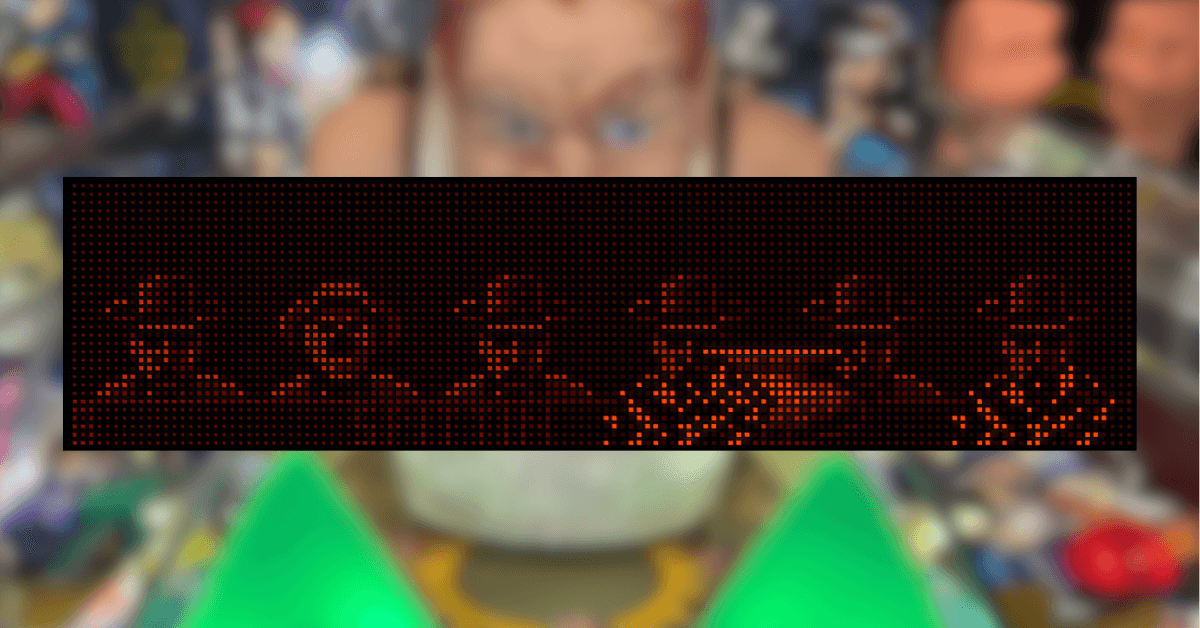
Spittin’ Gallery isn’t the worst entry in the “catch falling objects” genre of video modes–don’t worry, that’ll come later–but it’s still deceptively frustrating to play. This mode is lit as one of the rewards from a Door Prize skill shot or after winning 1 fight, and is started by shooting the scoop in the lower left. Use the flippers to move a spittoon back and forth, trying to catch spitballs from people lined up at the bar. To win, you have to catch 10 spitballs before missing 3.
This mode is almost there in terms of quality, but the spittoon moves a bit too slowly, and the detection for when a spitball actually lands inside the jar versus hitting the side is just a little too inconsistent. Also, it’s just kind of gross if you think about it. Props for nailing the old Western saloon tie-in with this one, but the gameplay makes its contribution a net negative.
#7: SNARF Video Mode (Johnny Mnemonic, Bally Williams, 1995)
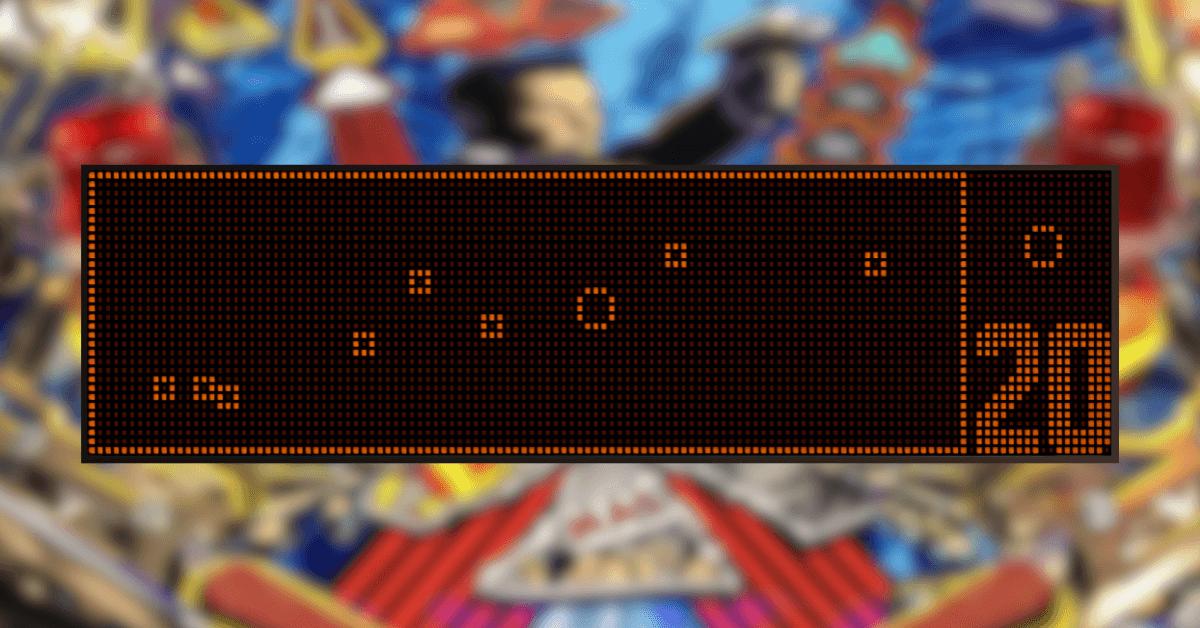
Johnny Mnemonic’s video mode is iconic, if for no other reason than the SNARF onomatopoeia that appears when an enemy is defeated, but looking past that, it reeks of “Williams needed a reason to use the second flipper buttons on the side of the game other than just controlling the claw hand”.
Video mode is one of the awards that can be earned from locking a ball at the hand. In the video mode, you control a hollow circle (“predator”) trying to eat smaller, filled-in circles (“prey”) by running into them. The predator can be moved up or left using the flipper buttons on the left, or down or right using the flipper buttons on the right.
A major sticking point here is the mode’s difficulty: the erratic motion of the prey, the small size and awkward momentum of the predator, the unconventional controls, and the short time limit combine to frequently put this mode out of reach for players. I’d give an A for effort on the 8-directional controls, which is something basically no other video mode has tried… but let’s be honest, it’s really more of a B- for effort, at best.
#6: Mario’s Video Mode (Super Mario Bros., Premier Gottlieb, 1992)
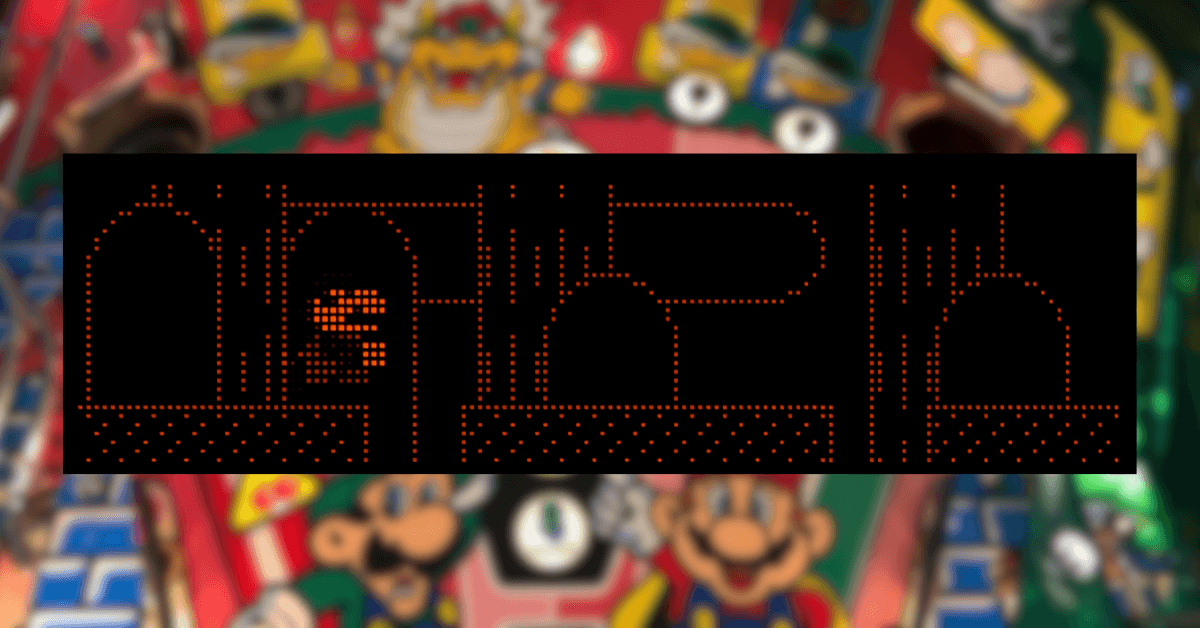
Adding a platformer-style video mode to a game licensed to use Mario was an absolute no-brainer. And in a vacuum, the results turned out fine. Mario’s video mode fails, though, in how different and unpolished it is compared to the actual Mario video games.
To compensate for having only two control buttons, Mario always moves to the right; hold one flipper button to run and press the other to jump. The detection for when Mario has fallen into a pit is way too strict, though, and will end the mode before Mario physically falls, so the result is jarring.
Also, despite Mario’s main ability being jumping on enemies, landing on the Bullet Bills in this mode from above counts as a loss. There’s only one video mode layout, so at least it can be practiced and memorized, but it would have been fair to expect quite a bit more polish out of a product with a gaming icon like Mario attached to it.
#5: Beach Runner (Baywatch, Sega, 1995)
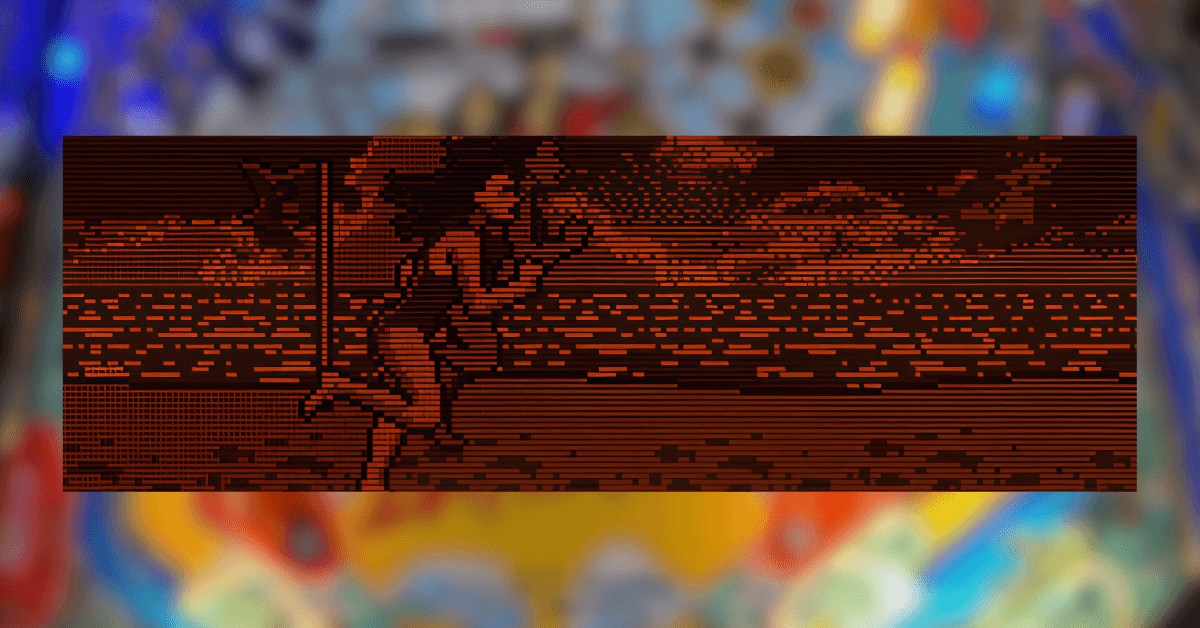
Button-mashing video modes have their time and place. The chase sequences in Black Rose (Bally Williams, 1992) and Junk Yard (Bally Williams, 1996) are iconic for their animations and storytelling, and pave the way to major rewards within their games. Baywatch’s entry to the genre does… none of those things.
To play Beach Runner, you must shoot the side ramp enough to spell the word Ironman, which is a lot easier said than done because of how rarely Baywatch feeds the upper flipper at all–then shoot the spinner lane in the lower right. During Beach Runner itself, mash the flipper buttons to win a footrace.
The running animations for the racers are quite poorly drawn compared to a lot of other display work on Baywatch; the mode is longer than it needs to be, putting unnecessary physical stress on the player and the game’s flipper buttons; and the 55,000,000 award for winning compared to the 30,000,000+ you get for losing is a difference that can be made up in about 2 shots around the table.
The Wakeboarding video mode that can be earned from the Shark is a much more welcome addition to Baywatch, and spelling Ironman should have given either just a big score or a more unique playfield mode.
#4: ‘T-Rex Swing’ Video Mode (The Lost World: Jurassic Park, Sega, 1997)

Video mode on The Lost World: Jurassic Park is one possible Mystery award, which can be collected at the Egg scoop after earning the words Lost and World from the two orbits. This video mode, which is otherwise unnamed, is… perplexing, to say the least.
Why is it so short? Why do the controls require pressing the ball launch button to jump between vines instead of the flippers? Why is it an option to win the mode by jumping inside the dinosaur’s mouth, in addition to jumping over it?
If this video mode were part of the first Jurassic Park game (Data East, 1993), it could maybe get a little more of a pass, but by 1997, these sorts of things should have been either more fleshed out or cut from the final product. Then again, this is the same era of Sega Pinball that gave us Star Wars Trilogy, so maybe we should all just be glad it wasn’t worse.
#3: Captain Walker (The Who’s Tommy Pinball Wizard, Data East, 1994)
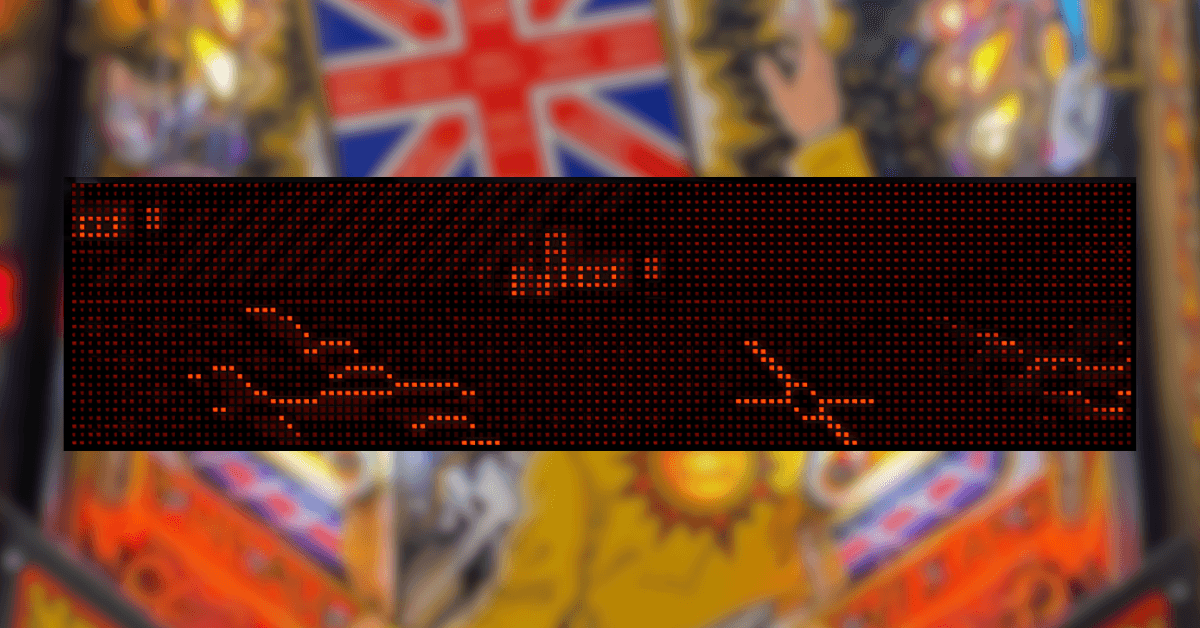
Captain Walker’s glaring flaw is that the best way to play the mode is to simply not play the mode. The flipper buttons are used to move a plane up and down, and if a target of some kind crosses into the reticle in front of the plane, it will get shot for points.
If you’ve memorized the video mode, up to 17,000,000 points are available, but you can get 13,000,000 of those points by just immediately moving the plane to the bottom of the display and leaving it there.
Most people who play the mode and actually try don’t even reach that 13,000,000 mark, and with most modes and shots giving points 5,000,000 or 10,000,000 at a time, who cares? The only purpose Captain Walker serves is to give players a short coffee break as they try to smash through the 13 (!) main modes on Tommy.
#2: Catch the Pool Balls and Where’s the KING? (Cue Ball Wizard, Premier Gottlieb, 1992)

Okay, okay, I’m cheating a little bit with this one, partially for including two modes and partially because Where’s the KING? barely qualifies as a video mode, but they’re both so bad that I just had to lump them together. Video modes are qualified by unlighting all 4 bottom lanes to spell Pool, then shooting the right ramp. Which of the two video modes you get to play appears to be random.
Where’s the KING? gives the player 3 seconds to choose one of 3 curtains, and whatever is behind the chosen curtain is awarded. The problem is, there are 4 possible outcomes… and one of them is 0 points… and the given award is believed to be predetermined, making the entire selection moot.
In Catch the Pool Balls, the goal is to use the flipper buttons to move a billiards pocket left or right to catch a bouncing pool ball. You get 4 chances, and each caught pool ball scores more than the last. Unfortunately, the ball’s location is random, and the pocket doesn’t move very fast, often making it impossible to get a perfect 4 for 4.
So, in summary, Cue Ball Wizard has two video modes, which can both give a sizable 20,000,000 points… and both can be outright impossible to win. A stellar showing from Gottlieb, truly.
#1: Digital Pinball (Theatre of Magic, Bally Williams, 1995)
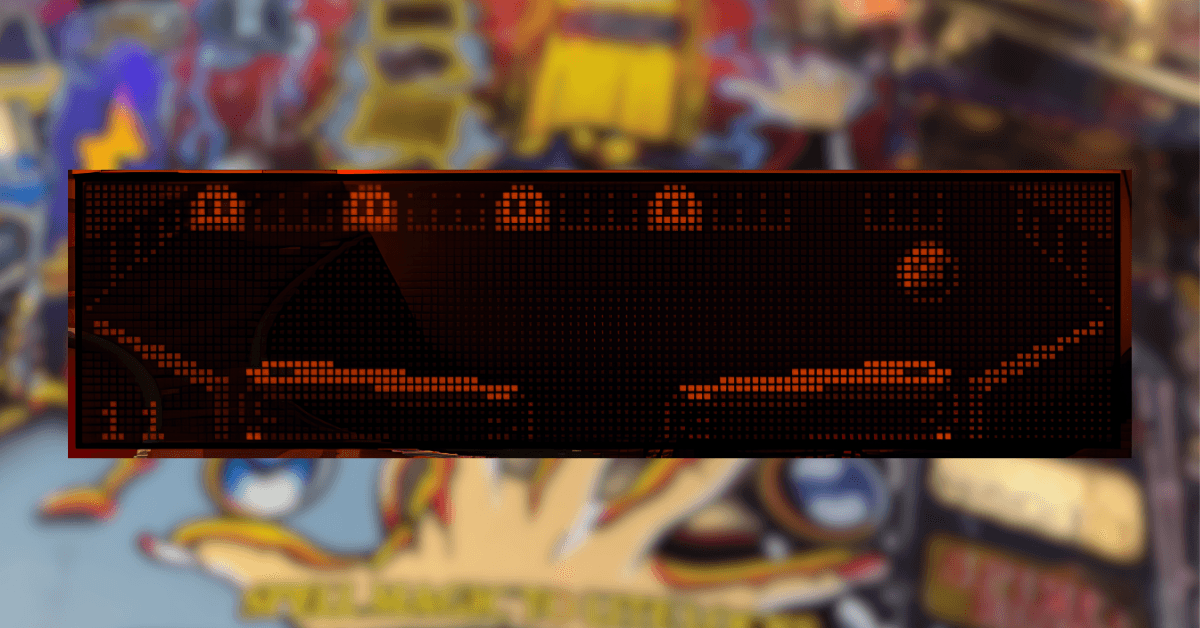
As just about anyone who’s played it can attest, Digital Pinball commits every cardinal sin imaginable when it comes to what makes a good video mode.
Digital Pinball is quite difficult, has janky and inconsistent controls, and has absolutely nothing to do with Theatre of Magic’s theme. Digital Pinball is only available as one of the awards given from Trap Door Mystery, which is qualified by hitting 4 post targets on either side of the center ramp followed by a center ramp -> right ramp combo.
The mode tasks the player with using the game’s physical flipper buttons to activate flippers on the DMD, hitting a virtual pinball into a set of 6 drop targets at the ‘back’ of the game. If 15 seconds pass without hitting all 6 targets, or if the ball drains, the video mode ends.
The physics and angles of shots in this setup are almost unfathomably weird, and the virtual pinball will appear to fall straight through the virtual flippers quite often. If you do manage to knock down all of the virtual drop targets in time, the default award is an extra ball, which is okay value–but if this extra ball has been earned or if extra balls are off, the award is changed to 40,000,000 points, which is a rather laughable sum.
Digital Pinball’s spot on the mystery award list could have easily been taken by a magna-save relight or spotted progress toward Tiger Saw Multiball, and it’s a shame that something like this was shoehorned into Theatre of Magic at all.
Do you agree with this list? What should be higher or lower? Did we miss any? Sound off in the comments below!

solar_espeon (she/her), aka Rachel or espie, is the primary author of The Pinball Primer, a collection of over 900 rulesheets and tutorials for pinball games spanning seven decades. The Pinball Primer can be found integrated into Matchplay tournament website or at pinballprimer.github.io. Outside of pinball, she enjoys playing retro video games and watching sports, and is a diehard fan of the Minnesota Frost and Pittsburgh Penguins. Rachel can be found @solar_espeon on Bluesky, Twitch, Discord, and Instagram.
Like what you're reading?
Get pinball news, analysis, and deep dives delivered to your inbox.
Related Posts
More in Pinball or browse all topics.