Williams
Williams Electronic Games Inc. · Chicago, IL · Made pinball 1943–1999
- Games on file
- 323
- Earliest on file
- 1947
Games
About
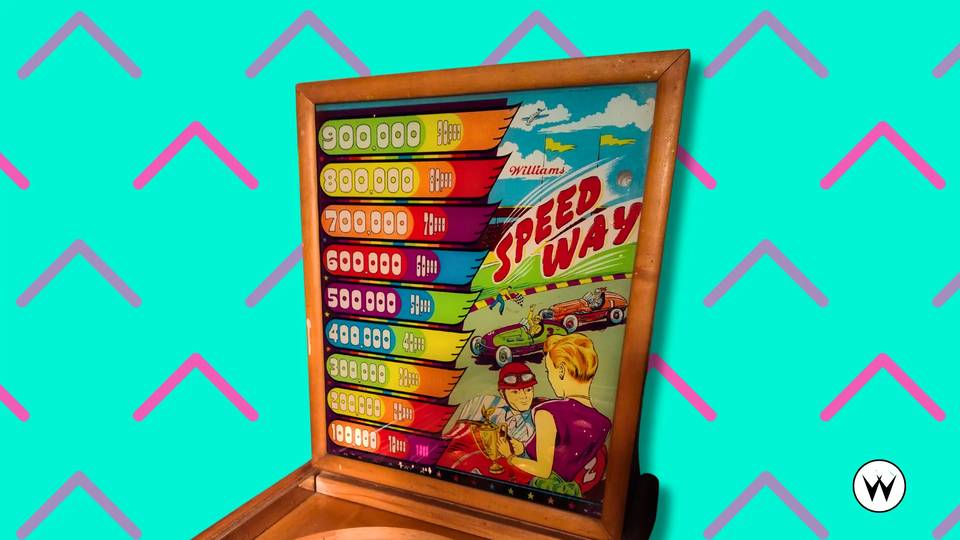
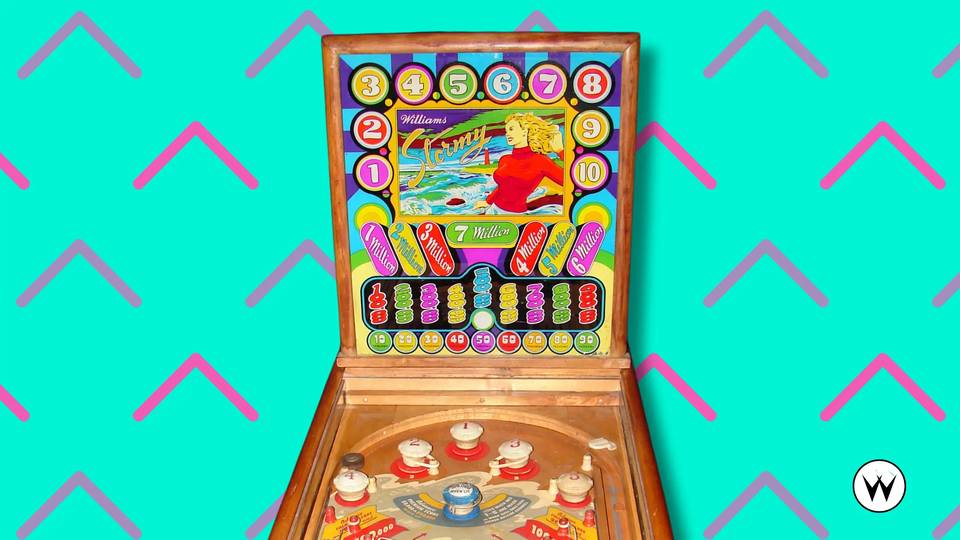
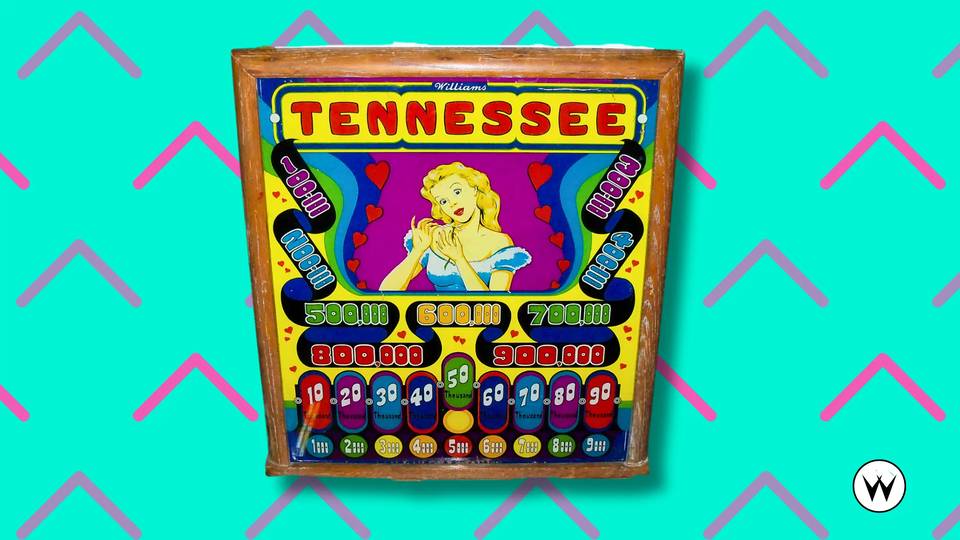
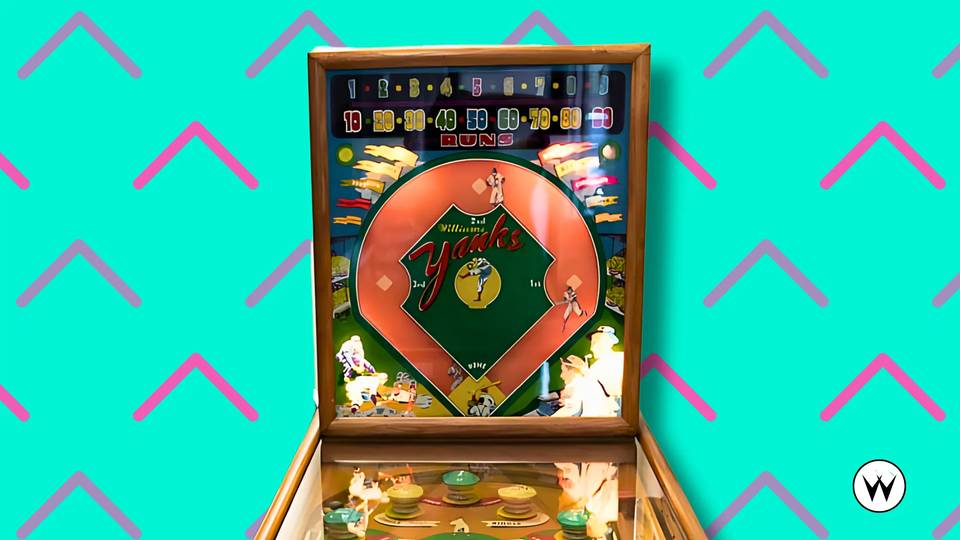
Williams Electronic Games Inc. traces back to Harry E. Williams, a Stanford-trained engineer who entered the coin-operated amusement business in 1933 and helped popularize innovations such as the tilt mechanism and electrically powered scoring while working for companies including Pacific Amusement Manufacturing, Rock-Ola, and Exhibit Supply. After a short-lived partnership with Lyndon Durant, Williams struck out on his own and founded Williams Manufacturing Company at 161 West Huron Street in Chicago in 1943. Wartime material shortages limited the young company to reworking used machines under new names before it released its first original design, Suspense, in 1946. In 1948, Williams sold a 49-percent stake to Philadelphia distributor Sam Stern, who became vice president and took over much of the day-to-day running of the company.
Stern orchestrated the company's 1959 sale to retail conglomerate Consolidated Sun Ray and became its president — Harry Williams departed after the deal — then bought the business back in 1961. Seeburg Corporation acquired Williams in 1964, folding in fellow manufacturer United Manufacturing under the Williams name, and the business took the Williams Electronics name in 1967. After Seeburg declared bankruptcy in 1979, Williams was spun out in 1980 as an independent company under Louis Nicastro, who took it public in 1987 as WMS Industries. A 1988 acquisition of Bally/Midway put the Williams and Bally pinball labels under one roof through the machine's dot-matrix-display era. Released under the Bally label in 1992, The Addams Family sold 20,270 units, a total that remains the best-selling run for a solid-state pinball machine. The follow-up, Twilight Zone, sold 15,235 units in 1993, and Williams stayed the industry's sales leader through the rest of the decade.
In 1999, Williams tried to revive a shrinking market with Pinball 2000, a platform that projected video graphics onto the playfield through a semi-reflective screen. Only two titles reached production, and when sales fell short of expectations, Williams closed its pinball division on October 25, 1999, shifting WMS Industries' focus to slot machines. WMS became part of Scientific Games in 2013 and was folded fully into that company three years later; Scientific Games renamed itself Light & Wonder in 2022. The Williams and Bally pinball catalog lives on through Planetary Pinball Supply, the exclusive licensee for the Williams/Bally catalog, which works with manufacturers such as Chicago Gaming Company and Pedretti Gaming on official remakes.
Articles
From Williams
Mods & Toppers
Mentioned in
Page updated October 2026 · Suggest a correction