
- 30
- Games
- 1949
- First game
Ed Cebula was an American pinball designer and engineer whose career spanned from the post-war electromechanical era to the rise of solid-state pinball in the 1990s. Beginning in the late 1940s at Genco, he later played a pivotal role in…
Read the full bioGames
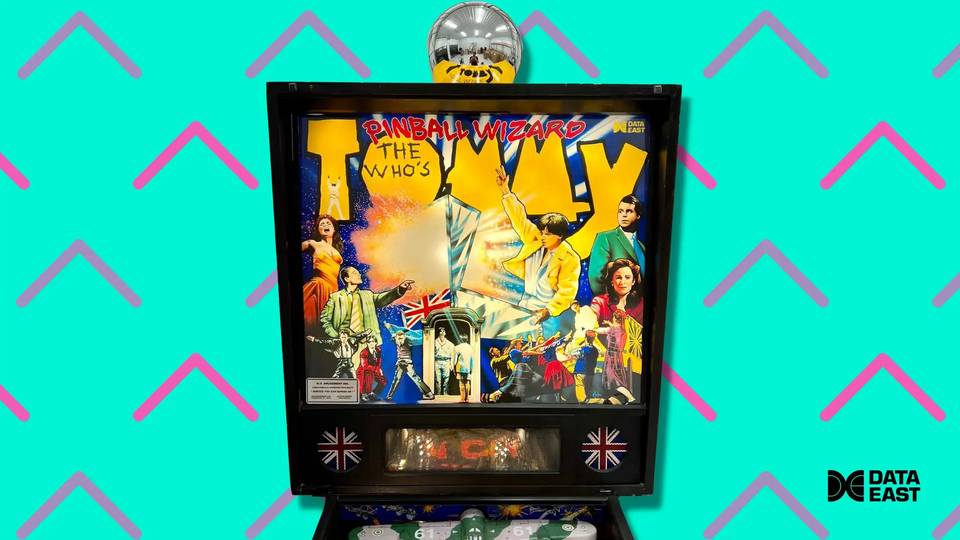
The Who's Tommy Pinball Wizard
199482/100 · 10 ratingsData East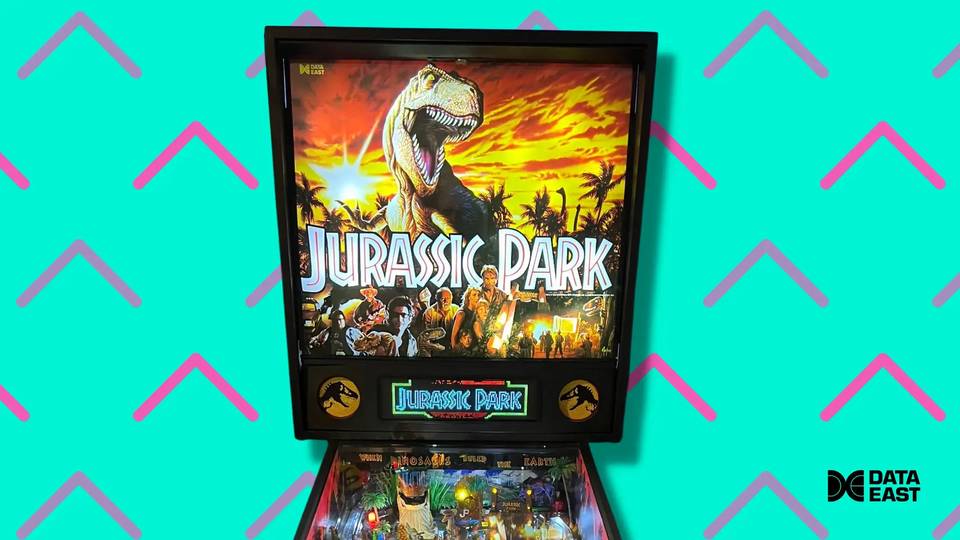
Jurassic Park
199387/100 · 5 ratingsData East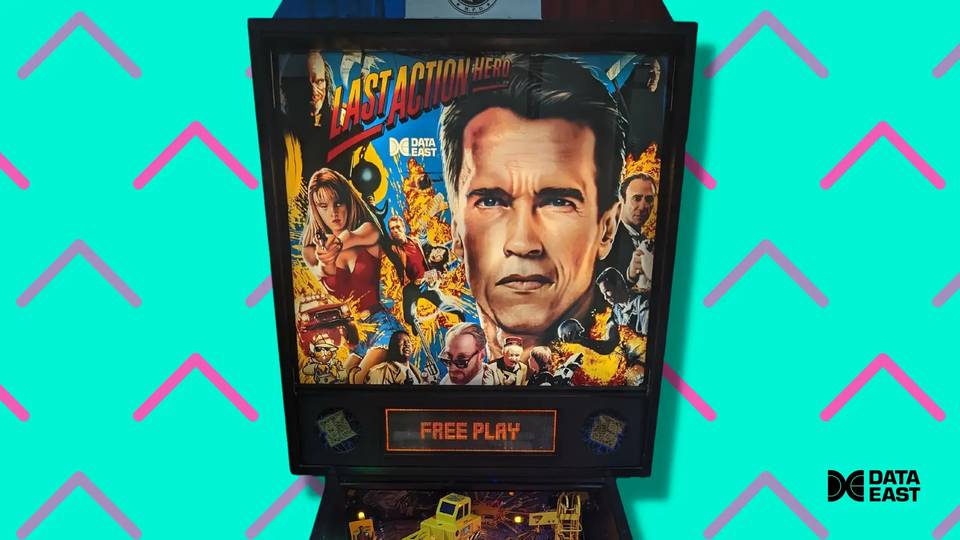
Last Action Hero
1993Data East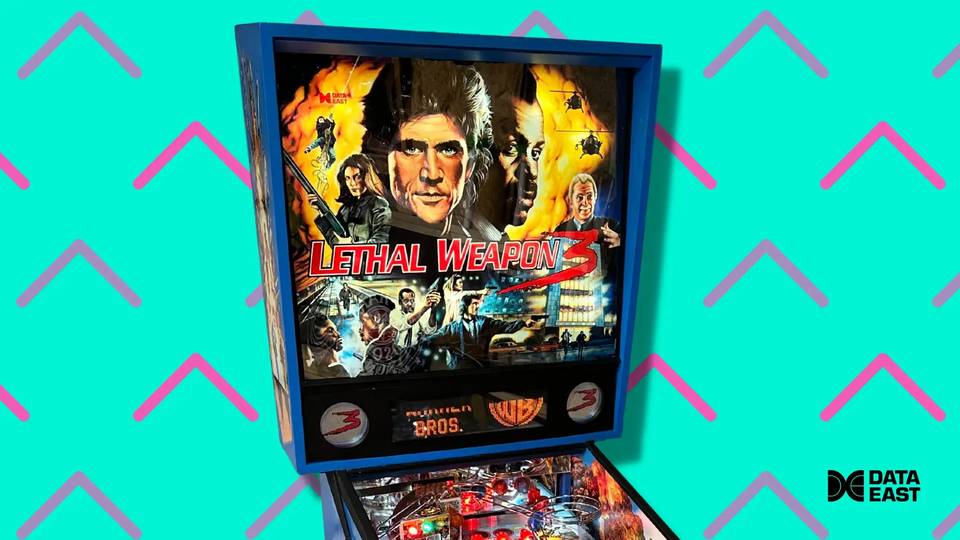
Lethal Weapon 3
199289/100 · 10 ratingsData East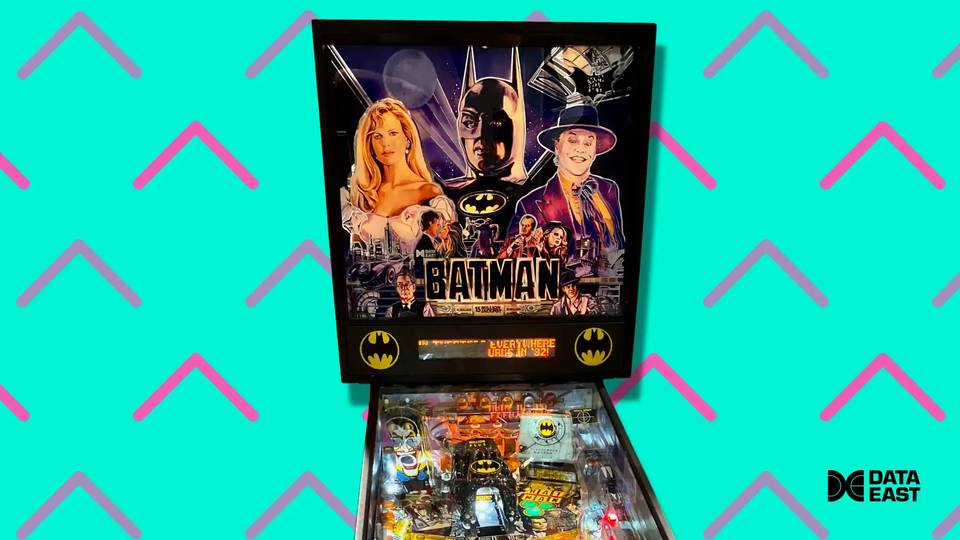
Batman
1991Data East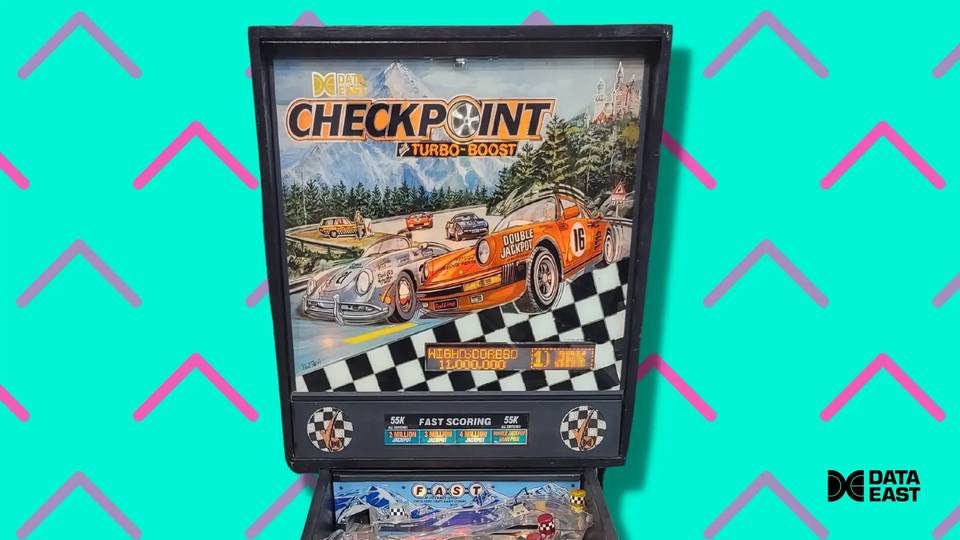
Checkpoint
19911 rating so farData East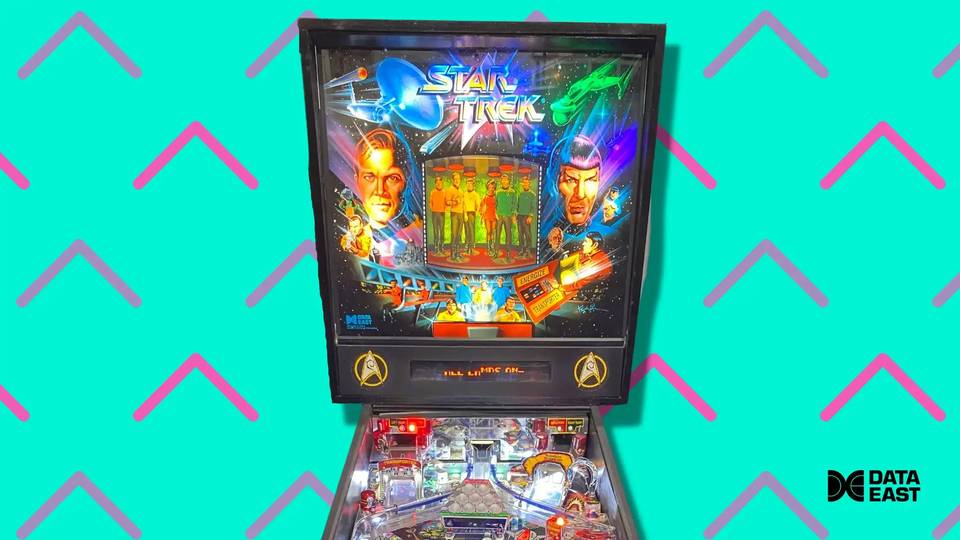
Star Trek
19911 rating so farData East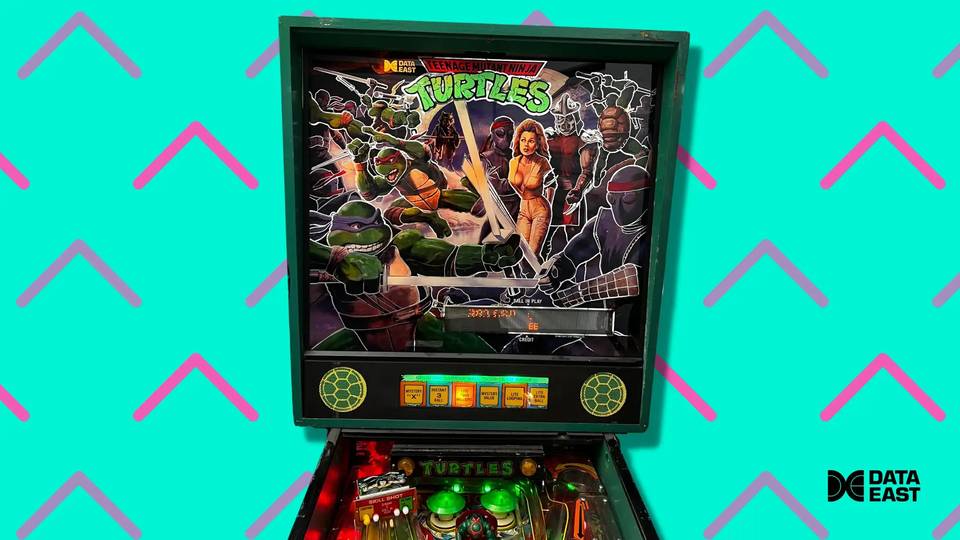
Teenage Mutant Ninja Turtles
19912 ratings so farData East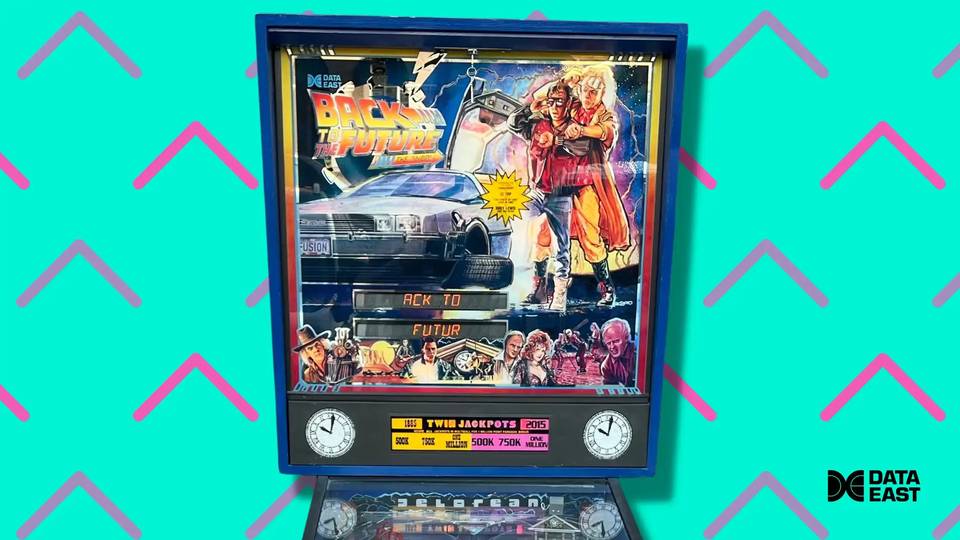
Back to the Future
19901 rating so farData East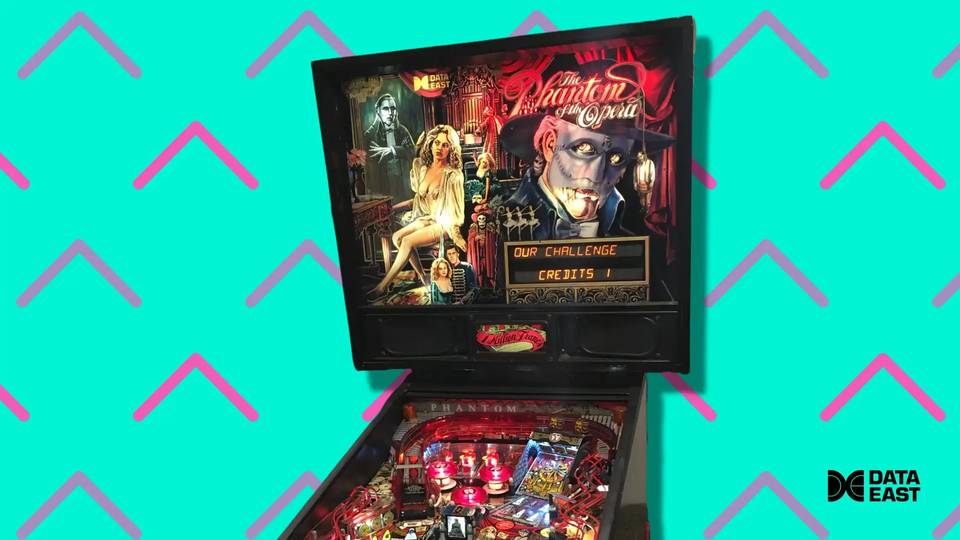
Phantom of the Opera
1990Data East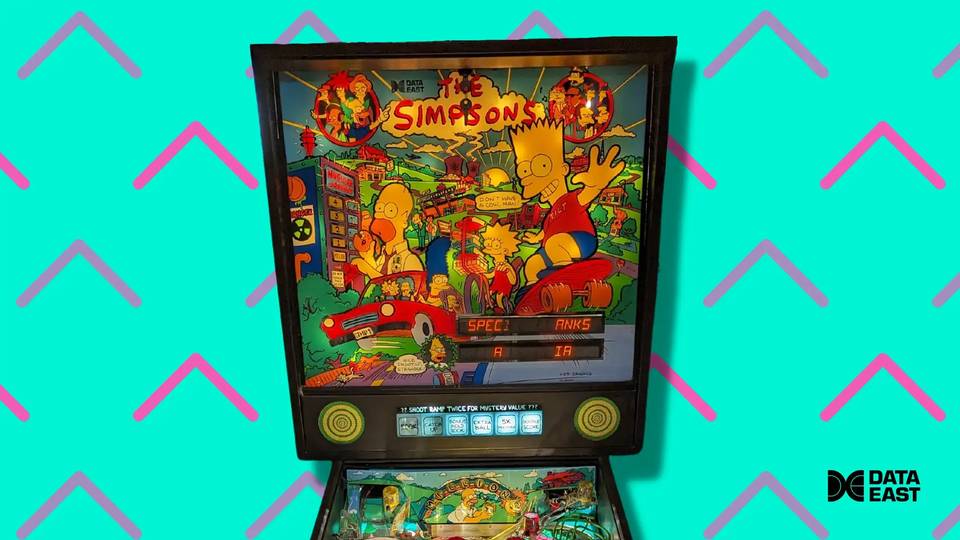
The Simpsons
19901 rating so farData EastAlso Mechanics
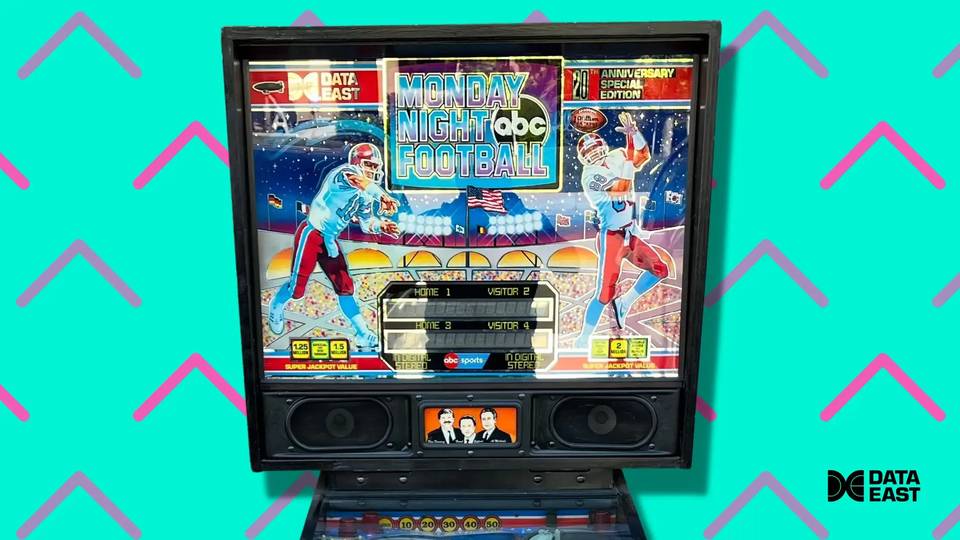
Monday Night Football
19891 rating so farData East
Playboy 35th Anniversary
1989Data East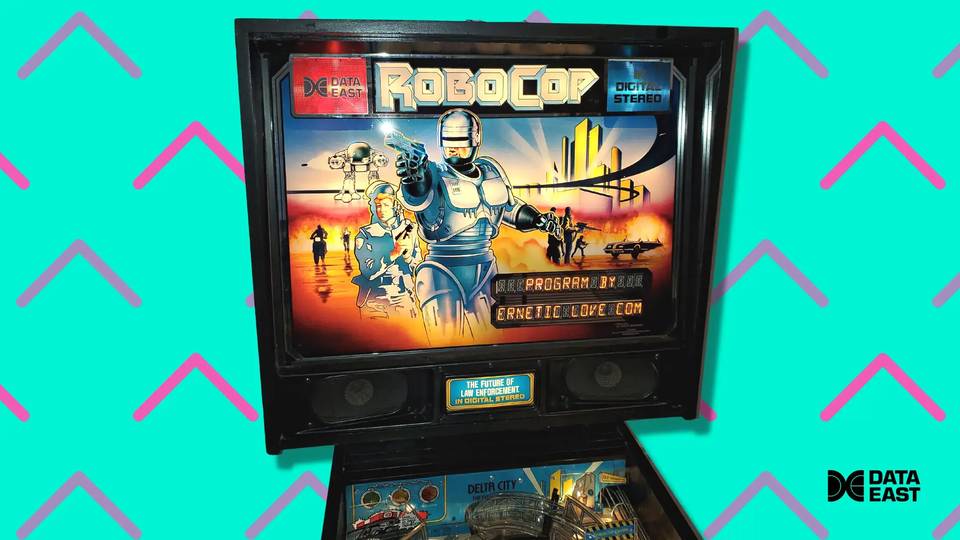
Robocop
1989Data East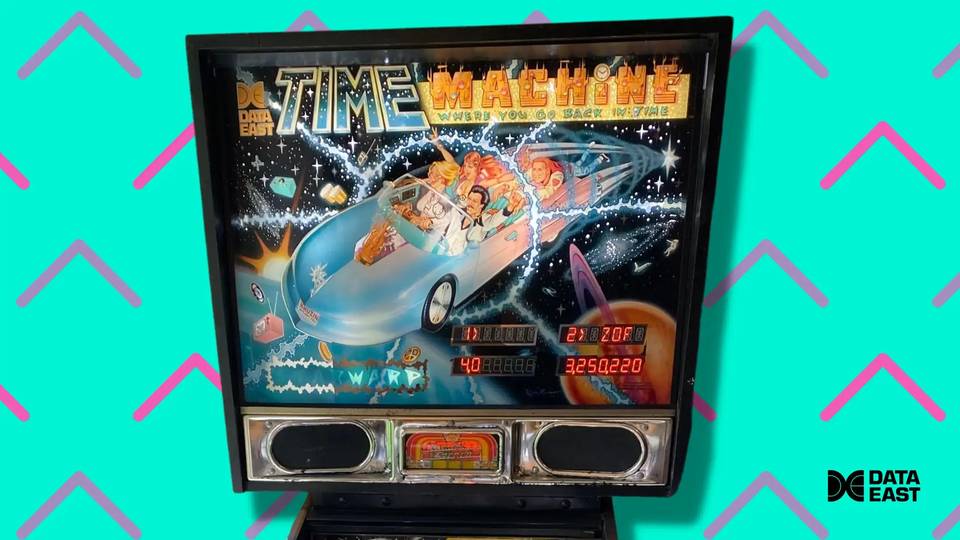
Time Machine
19882 ratings so farData East
Andromeda
19851 rating so farGame Plan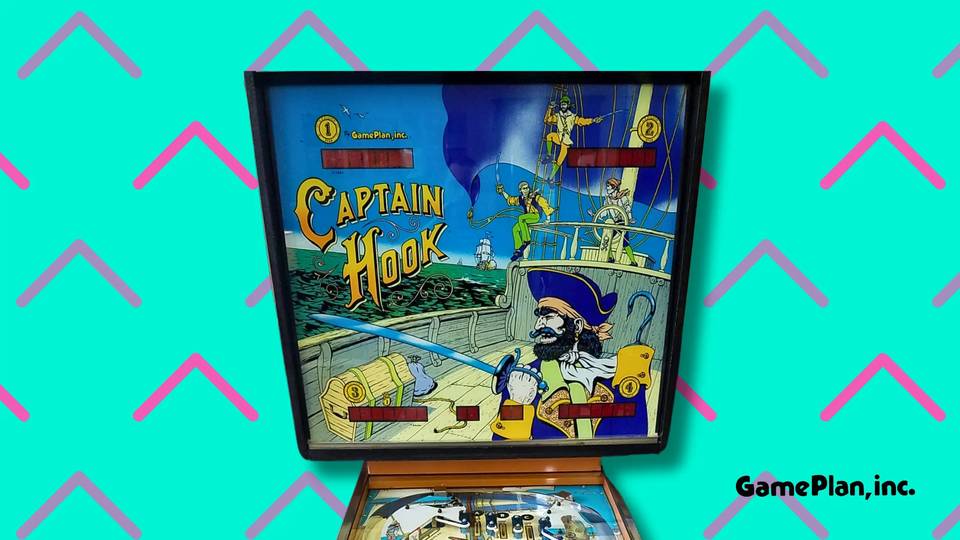
Captain Hook
1985Game Plan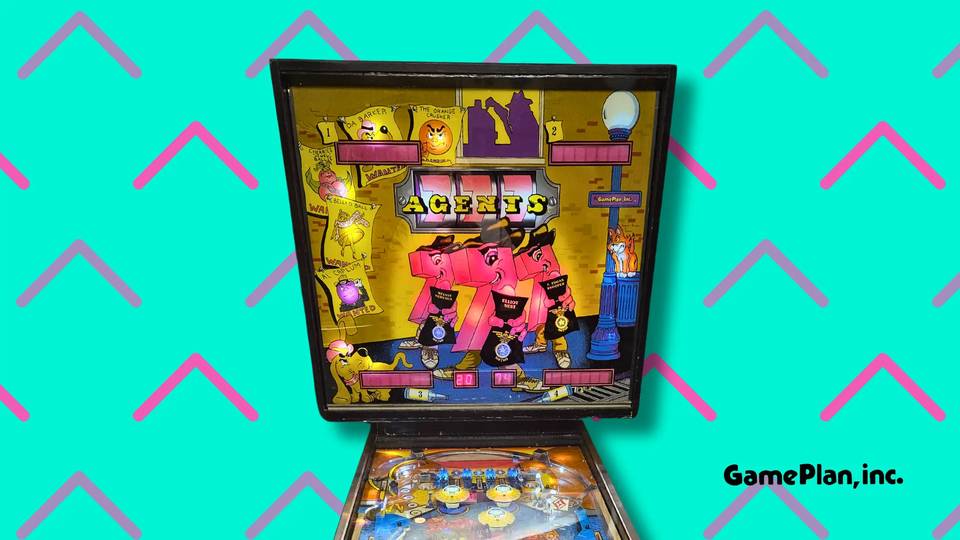
Agents 777
1984Game Plan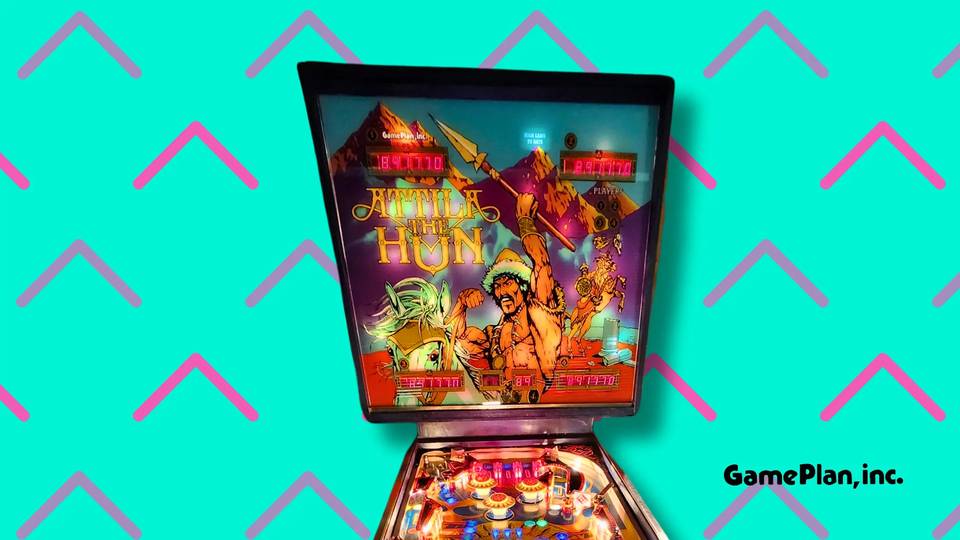
Attila the Hun
1984Game PlanConcept only
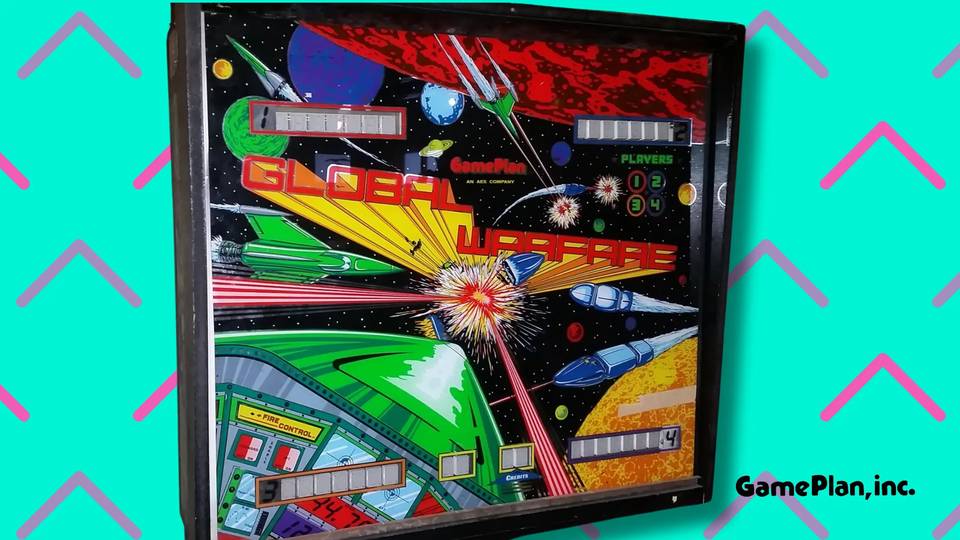
Global Warfare
19811 rating so farGame Plan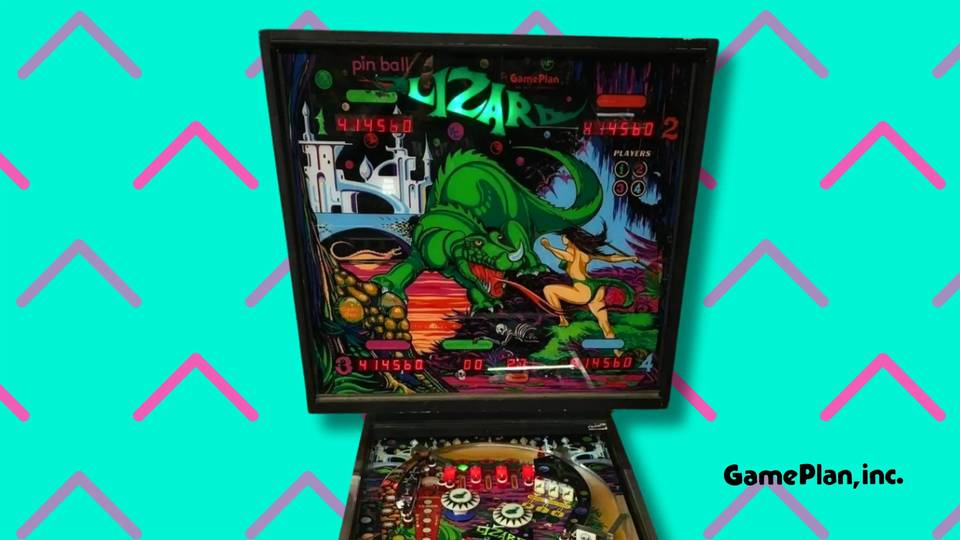
Pinball Lizard
1980Game Plan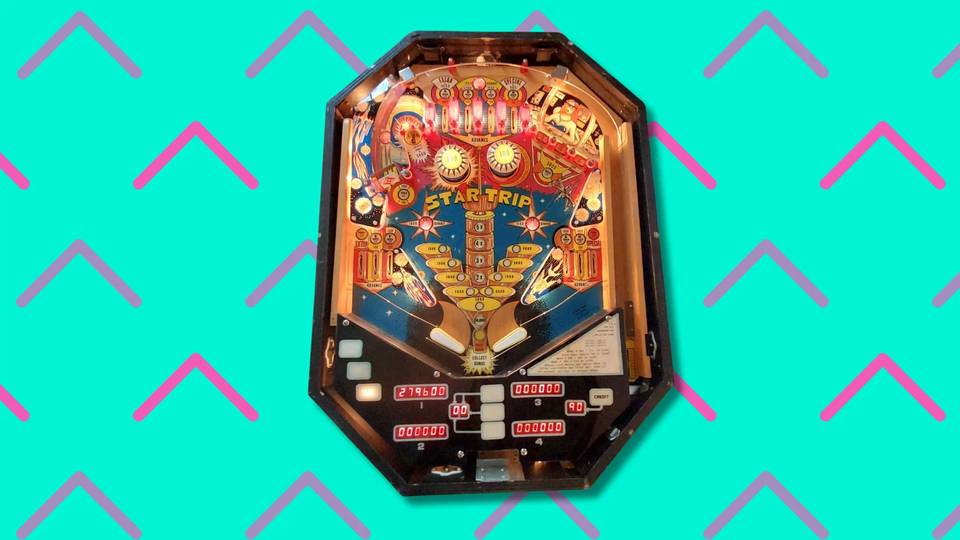
Family Fun! / Star Strip
1979Game Plan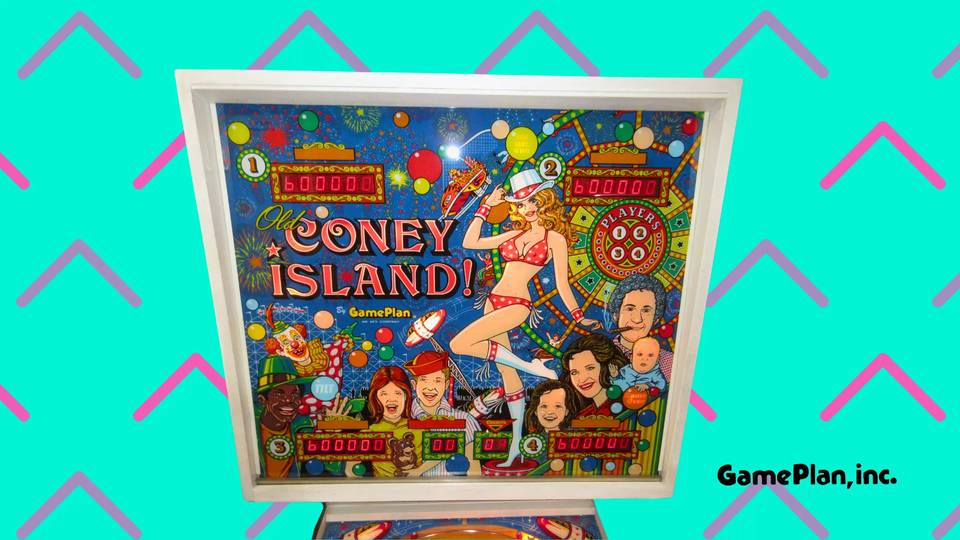
Old Coney Island!
1979Game Plan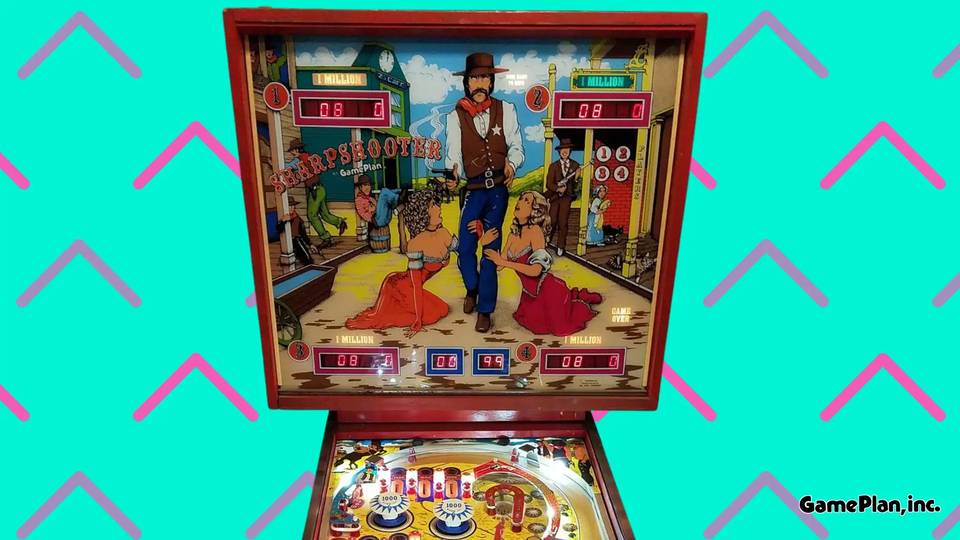
Sharpshooter
1979Game Plan
Vegas
1979Game Plan
Black Velvet
1978Game Plan
Chuck-A-Luck
1978Game Plan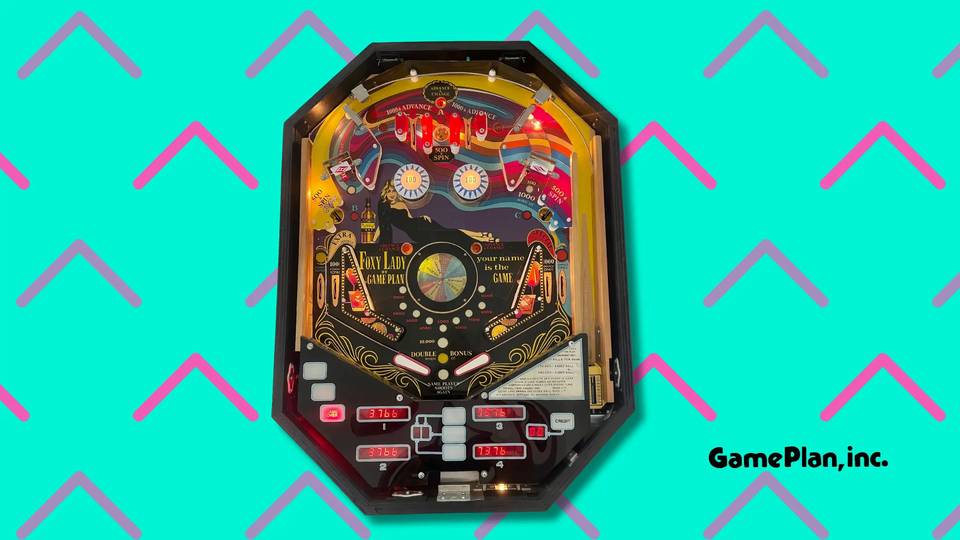
Foxy Lady
19781 rating so farGame Plan
Real
1978Game Plan
Camel Caravan
1949Genco
About
Ed Cebula was an American pinball designer and engineer whose career spanned from the post-war electromechanical era to the rise of solid-state pinball in the 1990s. Beginning in the late 1940s at Genco, he later played a pivotal role in shaping the game lineups at Game Plan, Inc. during the late 1970s and early 1980s. His most significant contributions came as a founding member and lead designer at Data East Pinball, where he co-created some of the industry's most successful licensed machines, including Back to the Future (1990), The Simpsons (1990), and Jurassic Park (1993). Over his decades-long career, Cebula helped bridge the transition between traditional mechanical pinball design and the modern digital age.
Known for his engineering expertise and ability to translate popular themes into engaging gameplay, Cebula’s work helped define the competitive resurgence of pinball in the early 1990s. His influence was felt across multiple manufacturers, from small independent companies to major industry players. Retiring in 1994, Cebula left behind a legacy of innovation that continues to be appreciated by pinball enthusiasts worldwide. He was later honored as a Pinball Expo Hall of Fame inductee, recognizing his contributions to the industry.
Worked with
Kineticist Articles

Around pinball

Page updated April 2026 · Suggest a correction