Beanie Babies
Status:
Wanted
Rank:
121
- Other:
- Peak Rank:59
Rank Change:
21
User Hype Score:
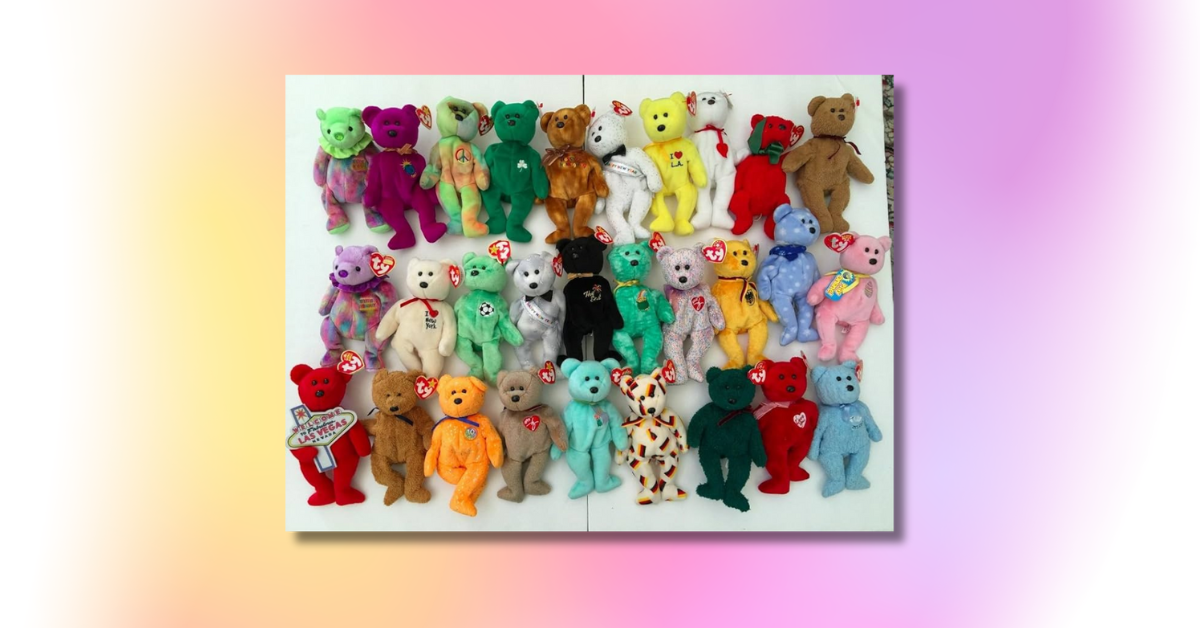
Beanie Babies is a line of stuffed animal toys created by Ty Warner and launched by Ty Inc. in 1993, notable for sparking a major collecting craze in the 1990s. The franchise is primarily referenced in pinball discussions as a cautionary example of speculative collecting bubbles, though its nostalgic appeal and recognizable brand could offer thematic potential for a toy-focused pinball machine.
Hype Metrics
Franchise Age
Origin:
1993
Age (years):
33
Nostalgia Factor
Nostalgia Score:
62
Nostalgia Rating:
Peak
Cultural Pulse
Wikipedia 7-day views:
3920
Culture Rating:
58
Trendline:
flat

Beanie Babies Pinball Theme
Beanie Babies pinball machine discussions have emerged within the pinball community, though primarily as a cautionary reference rather than genuine enthusiasm for the theme. Beanie Babies were a line of plush stuffed animals produced by Ty Inc. beginning in 1993, created by company founder Ty Warner. These understuffed, pellet-filled toys became a massive cultural phenomenon and speculative collectibles craze during the 1990s, with certain rare editions commanding thousands of dollars at the height of the market before values collapsed dramatically, making them a widely recognized symbol of unsustainable collector bubble markets.
Within pinball community discussions, Beanie Babies appears in 14 recorded mentions, though notably not as a desired pinball theme but rather as a comparative example when discussing collectible market dynamics, pricing bubbles, and speculative investment in pinball machines themselves. Community members invoke Beanie Babies alongside other cautionary examples like Funko Pops when warning about potential overvaluation of limited edition pinball releases or debating whether certain licensed properties will maintain long-term collector interest. The franchise is used as shorthand for fad-driven collecting that lacks lasting cultural staying power, with one discussion contrasting Beanie Babies as a fad against properties with more enduring appeal.
Despite the skeptical framing in community discussions, a hypothetical Beanie Babies pinball machine would offer distinct design opportunities rooted in the property's visual identity and 1990s nostalgia appeal. The colorful menagerie of characters including signature animals like Patti the Platypus, Pinchers the Lobster, and Princess the Bear could translate into vibrant playfield artwork and toy elements, with collection mechanics mirroring the original hunting and trading experience that defined Beanie Baby culture. Gameplay could incorporate rarity tiers matching the original collectible hierarchy, tag-scanning features, and modes themed around completing collections or finding rare variants. The nostalgic 1990s aesthetic could support bright, primary-colored cabinet art and upbeat period-appropriate music, potentially appealing to adult collectors who experienced the original craze during childhood, though the property's association with market speculation and its diminished cultural relevance present significant challenges for commercial viability.
Within pinball community discussions, Beanie Babies appears in 14 recorded mentions, though notably not as a desired pinball theme but rather as a comparative example when discussing collectible market dynamics, pricing bubbles, and speculative investment in pinball machines themselves. Community members invoke Beanie Babies alongside other cautionary examples like Funko Pops when warning about potential overvaluation of limited edition pinball releases or debating whether certain licensed properties will maintain long-term collector interest. The franchise is used as shorthand for fad-driven collecting that lacks lasting cultural staying power, with one discussion contrasting Beanie Babies as a fad against properties with more enduring appeal.
Despite the skeptical framing in community discussions, a hypothetical Beanie Babies pinball machine would offer distinct design opportunities rooted in the property's visual identity and 1990s nostalgia appeal. The colorful menagerie of characters including signature animals like Patti the Platypus, Pinchers the Lobster, and Princess the Bear could translate into vibrant playfield artwork and toy elements, with collection mechanics mirroring the original hunting and trading experience that defined Beanie Baby culture. Gameplay could incorporate rarity tiers matching the original collectible hierarchy, tag-scanning features, and modes themed around completing collections or finding rare variants. The nostalgic 1990s aesthetic could support bright, primary-colored cabinet art and upbeat period-appropriate music, potentially appealing to adult collectors who experienced the original craze during childhood, though the property's association with market speculation and its diminished cultural relevance present significant challenges for commercial viability.