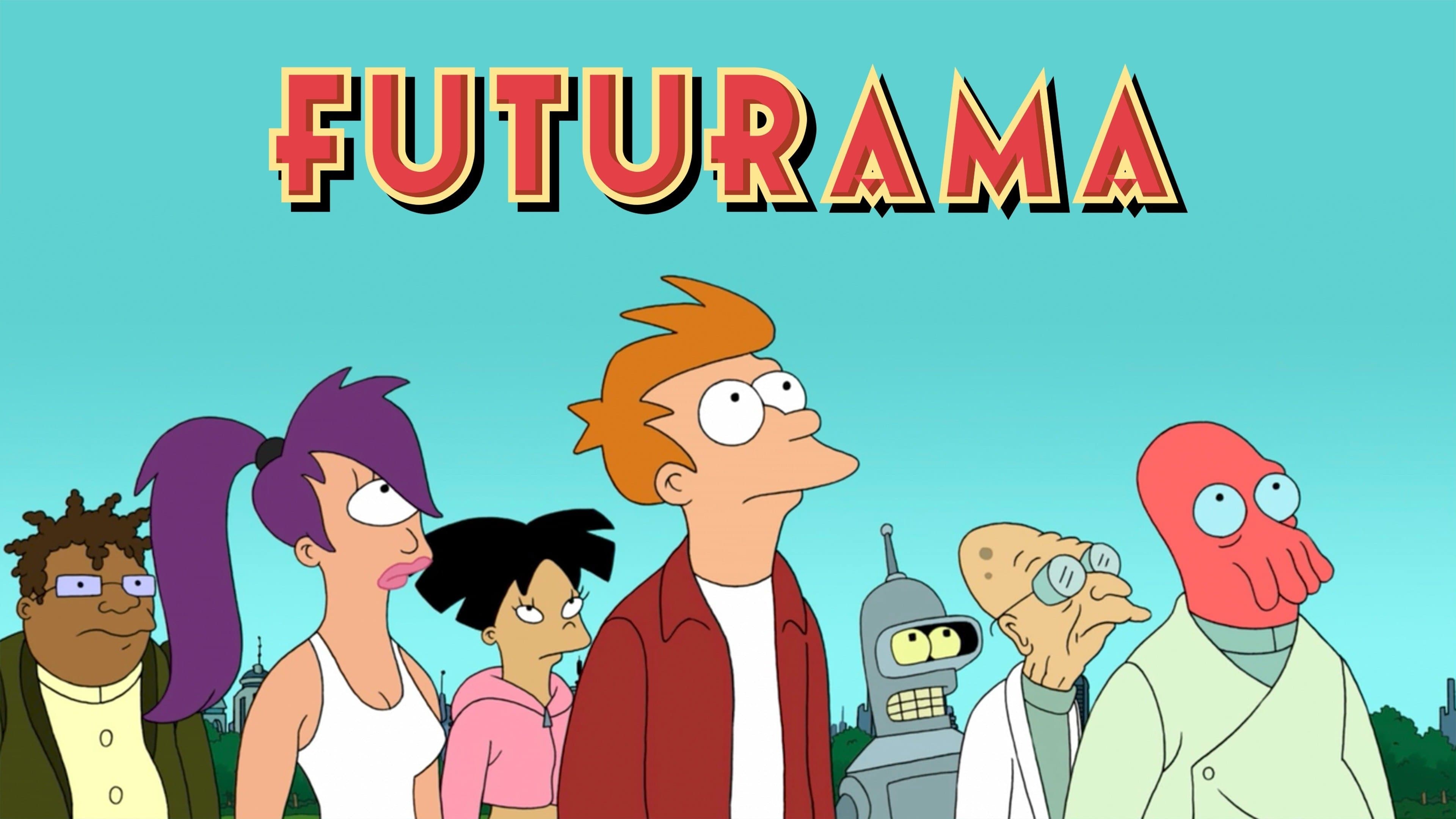
Futurama
wantedUpdated August 2026
#2288/100 community hype
Bender's antics and sci-fi chaos would make for a wildly entertaining pinball experience.
Copied!
Rate Your Hype
Gallery
About This Theme
Futurama is an American animated science fiction sitcom created by Matt Groening that originally premiered in 1999 on Fox. The series follows Philip J. Fry, a pizza delivery boy who is cryogenically frozen and wakes up 1,000 years in the future, where he joins an interplanetary delivery company alongside a diverse cast of characters including one-eyed ship captain Leela and bending robot Bender. Known for its clever writing, mathematical and scientific references, and satirical humor, Futurama has maintained a devoted cult following through multiple cancellations and revivals across different networks and streaming platforms. The show has won numerous awards and is considered a significant work in animated television, blending comedy with genuine emotional storytelling and creative world-building that spans the entire universe.
Discussion of a Futurama pinball machine has gained traction within the pinball community, with the property receiving 464 mentions from enthusiasts and appearing in fan wishlists alongside other highly desired licenses. Community members have expressed that Futurama would be an ideal pinball theme, with one fan stating they feel you could do a lot with the concept. The license is currently owned by Disney following their acquisition of 20th Century Fox, and pinball manufacturers have successfully produced Disney-licensed machines in the past, making the possibility technically feasible from a licensing standpoint.
Futurama presents exceptional opportunities for pinball adaptation due to its rich visual universe and diverse gameplay possibilities. The show's colorful cast of characters, from the Planet Express crew to memorable villains like the Robot Devil and the Brain Spawn, would provide numerous callout and mode opportunities. The series' iconic locations such as the Planet Express building, the Head Museum, Luna Park, and various alien planets offer distinct visual themes for different playfield areas. The show's emphasis on delivery missions translates naturally into pinball objectives and multiball modes, while recurring elements like suicide booths, time travel paradoxes, and intergalactic bureaucracy could inspire creative mechanical toys and rule sets. The extensive voice acting work by performers like Billy West, who voices multiple main characters, could provide cost-effective audio content, while the show's memorable theme music by Christopher Tyng and numerous musical episodes offer strong soundtrack potential for an immersive pinball experience.