Magic: The Gathering
Status:
Wanted
Rank:
44
- Other:
- Peak Rank:41
Rank Change:
28
User Hype Score:
Magic: The Gathering is a collectible trading card game created by Richard Garfield and published by Wizards of the Coast in 1993, widely credited as the first modern trading card game. The fantasy-themed property could appeal to pinball fans due to its large established player base, visually rich artwork featuring creatures and spells, and gameplay mechanics centered on collecting and strategic combinations that could translate to target-based pinball objectives.
Hype Metrics
Franchise Age
Origin:
1993
Age (years):
33
Nostalgia Factor
Nostalgia Score:
86
Nostalgia Rating:
Multi-gen
Cultural Pulse
Wikipedia 7-day views:
17192
Culture Rating:
71
Trendline:
flat
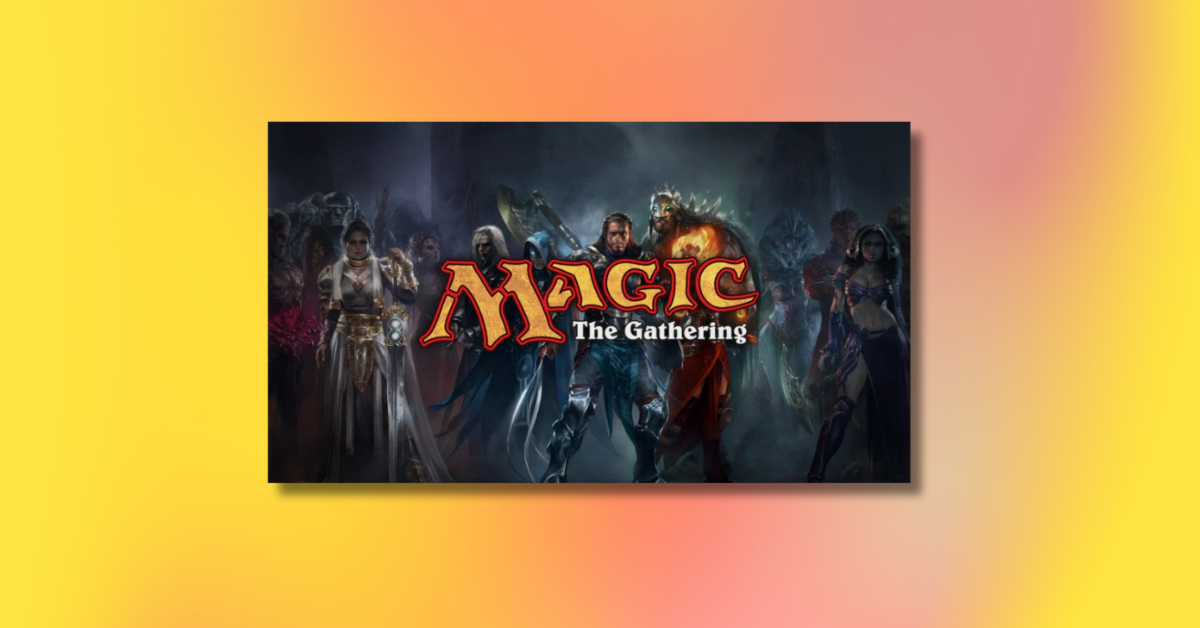

Magic: The Gathering Pinball Theme
Magic: The Gathering is a collectible card game first published by Wizards of the Coast in 1993, widely recognized as the first trading card game of its kind. Players assume the role of planeswalkers, powerful mages who summon creatures, cast spells, and wield artifacts and enchantments to defeat opponents. Since its debut, the game has grown into a cultural phenomenon with an estimated 50 million players worldwide across more than 70 countries, spawning a professional competitive scene, extensive lore spanning multiple fantasy worlds, and expansion into digital platforms. The franchise has influenced countless other card games and established many of the mechanics and business models that define the collectible card game industry. Magic: The Gathering maintains a dedicated fanbase that spans multiple generations, with continuous releases of new card sets, novels, and related media keeping the property culturally relevant over three decades after its initial release.
Discussion of a Magic: The Gathering pinball machine has emerged within pinball enthusiast communities, particularly on forums where fans debate potential licenses that could bridge generational appeal. With 58 documented mentions in pinball community discussions, enthusiasts have identified the property as having both nostalgic value for older collectors and contemporary relevance for younger players. Community members have noted that someone has reportedly approached Hasbro about a license, though no confirmed developments have been announced. The franchise is frequently mentioned alongside other properties considered to have mass appeal beyond niche audiences, with discussions emphasizing the need for themes that can attract new, younger buyers to the pinball market while still resonating with established collectors.
A Magic: The Gathering pinball machine would offer substantial design opportunities through the game's rich visual library of fantasy artwork spanning hundreds of card sets and dozens of distinct planes or worlds. Gameplay mechanics could translate the card game's core concepts into pinball features, with targets representing spell casting, ramps and orbits symbolizing mana generation, and multiball modes themed around summoning powerful creatures or planeswalkers. The five colors of mana, each associated with different philosophies and magic types, could provide a natural framework for mode progression and shot variety. Sound design could draw from the franchise's existing digital game adaptations and the dramatic flavor of spell effects, creature abilities, and planeswalker ultimates. The intellectual property's emphasis on strategic deck construction and resource management could inspire rule sets involving shot selection and risk-reward decisions that mirror the tactical depth Magic players appreciate in the card game itself.
Discussion of a Magic: The Gathering pinball machine has emerged within pinball enthusiast communities, particularly on forums where fans debate potential licenses that could bridge generational appeal. With 58 documented mentions in pinball community discussions, enthusiasts have identified the property as having both nostalgic value for older collectors and contemporary relevance for younger players. Community members have noted that someone has reportedly approached Hasbro about a license, though no confirmed developments have been announced. The franchise is frequently mentioned alongside other properties considered to have mass appeal beyond niche audiences, with discussions emphasizing the need for themes that can attract new, younger buyers to the pinball market while still resonating with established collectors.
A Magic: The Gathering pinball machine would offer substantial design opportunities through the game's rich visual library of fantasy artwork spanning hundreds of card sets and dozens of distinct planes or worlds. Gameplay mechanics could translate the card game's core concepts into pinball features, with targets representing spell casting, ramps and orbits symbolizing mana generation, and multiball modes themed around summoning powerful creatures or planeswalkers. The five colors of mana, each associated with different philosophies and magic types, could provide a natural framework for mode progression and shot variety. Sound design could draw from the franchise's existing digital game adaptations and the dramatic flavor of spell effects, creature abilities, and planeswalker ultimates. The intellectual property's emphasis on strategic deck construction and resource management could inspire rule sets involving shot selection and risk-reward decisions that mirror the tactical depth Magic players appreciate in the card game itself.