Rate Your Hype
About This Theme
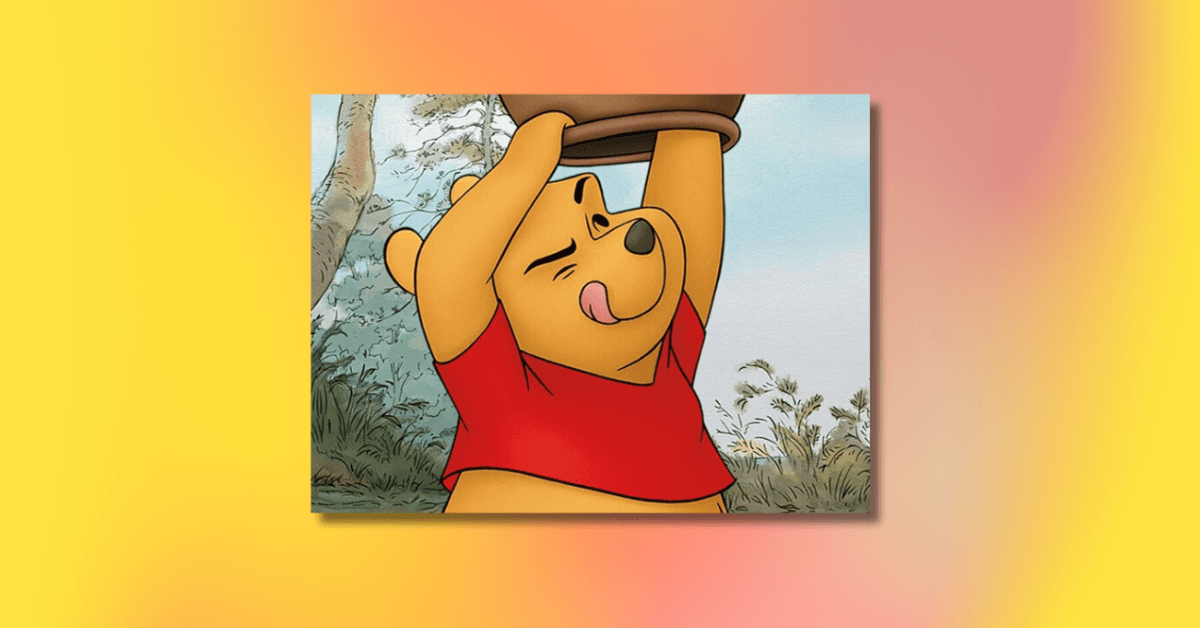
Winnie the Pooh is a media franchise originating from A. A. Milne's 1926 children's book about an anthropomorphic teddy bear and his friends in the Hundred Acre Wood. Disney acquired the rights in 1961 and developed the property into one of the world's most recognizable and commercially successful franchises, spanning animated films, television series, merchandise, and theme park attractions. The stories follow Pooh Bear, Piglet, Eeyore, Tigger, and other beloved characters through gentle adventures emphasizing friendship, problem-solving, and childhood wonder. The original Milne stories entered public domain in recent years, though Disney's specific character designs and interpretations remain protected, making the franchise a subject of both cultural nostalgia and ongoing commercial interest.
Recent discussions among pinball enthusiasts have identified Winnie the Pooh as a surprisingly viable theme for a pinball machine, with community members noting its strong nostalgic appeal and recognition factor across multiple generations. The franchise has generated approximately 40 mentions in pinball forums, with fans pointing out that despite being one of the most successful properties in entertainment history, it has never been adapted into a pinball format. Some discussion has centered on the public domain status of the original characters, which could potentially allow for creative interpretations without licensing complications, though Disney's versions would require proper licensing agreements. Community sentiment suggests that the theme carries significant feel-good nostalgia that could differentiate it from action-oriented titles currently dominating the market.
A Winnie the Pooh pinball machine would offer distinct gameplay and design opportunities that could appeal to both casual players and serious collectors. The Hundred Acre Wood setting provides rich visual possibilities, with iconic locations like Pooh's house, Rabbit's garden, the bridge for playing Poohsticks, and Owl's treehouse serving as potential playfield features and targets. Gameplay mechanics could incorporate honey pot collection as a central objective, weather-based modes reflecting the stories' episodic structure, and character-specific missions featuring Tigger's bouncing, Eeyore's gloom, and Piglet's bravery. The franchise's extensive musical catalog, including the distinctive theme song and Sherman Brothers compositions, would provide immediately recognizable audio cues. Voice acting opportunities exist through the various actors who have portrayed the characters, including Peter Cullen's work as Eeyore, offering authentic callouts and celebratory sounds that would resonate with players familiar with the animated adaptations.