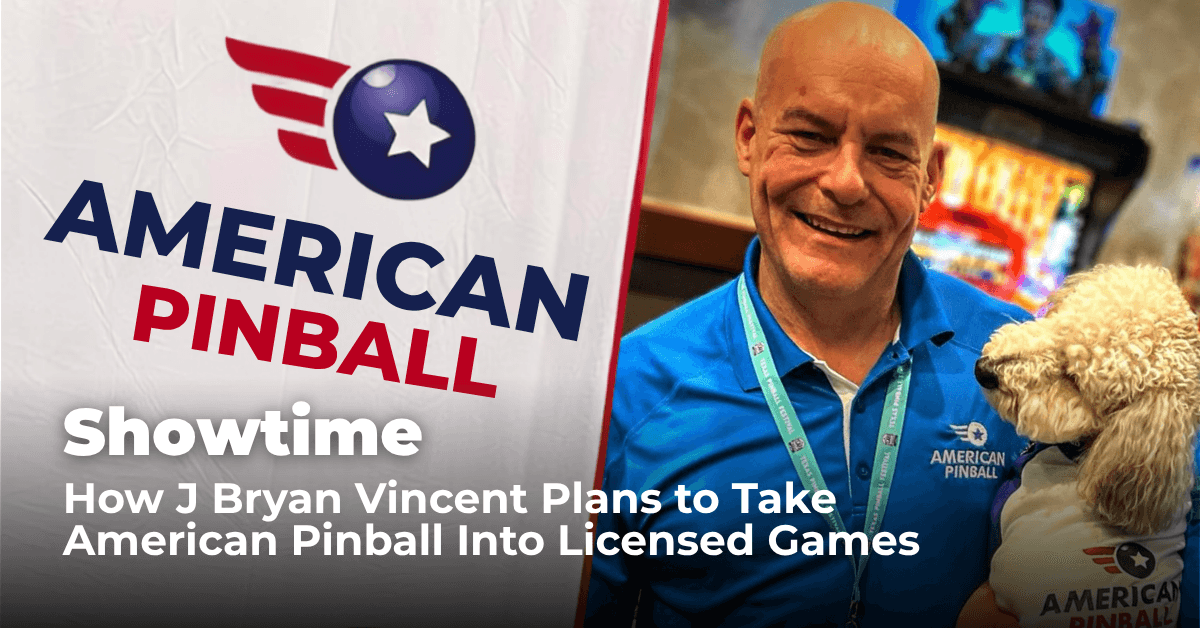
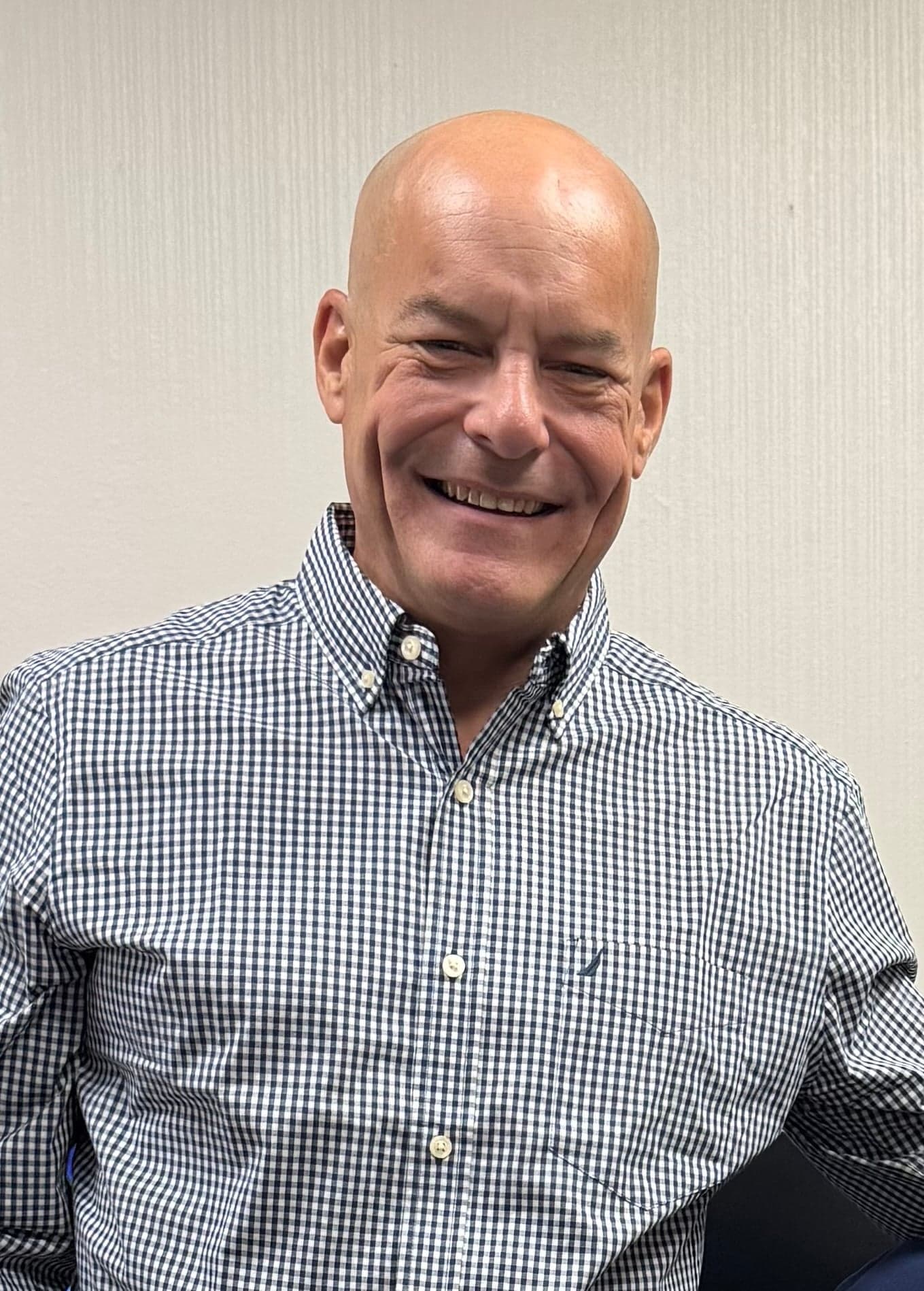
J Bryan Vincent was a broke college student when he and his wife first hit multiball on The Addams Family. Years later, he bought one. More years later, he bought American Pinball, and with the company now openly pursuing licenses for their pins, I had the pleasure of chatting with him about what he wants American to be.
Paul Melio: What ultimately led you to pursue licensed games for AP?
J Bryan Vincent: Like it or not, licensed games just sell better than original titles. If there is a brand, movie, or artist that resonates with a group of buyers it hits an emotional part of the brain that drives purchasing behavior.
Paul: Spooky leans horror, JJP tends to lean family-friendly — is there a broad genre or type of license you see American pursuing?
J Bryan Vincent: I don't know that we are focused on a specific genre; however, we do have a bent toward Americana themes and ones that have broad nostalgic appeal. We are currently focused on music, film, and television for upcoming titles.
Paul: How would AP determine if a license is a good fit?
J Bryan Vincent: First and foremost, it should be a property our team can get excited about. If the team isn't excited, I believe it ultimately shows up in the game design. We also target licenses that have a full set of assets available — talent, video, images, music, etc. Finally, we look for license holders that are easy to work with and we can develop a strategic partnership for additional IP.
Paul: Outside of American's own games, which pin do you think is a strong example of designing around a license? One where the theme really clicked with the gameplay?
J Bryan Vincent: For me, Lord of the Rings is one of the best examples of designing around a license and set the gold standard for theme integration. Many games today have great cinematic immersion but lack in terms of mapping the rules and progression throughout the game. What George did so well with LOTR was both. The game was built and progresses in the same way the story unfolds, which is one reason this game has withstood the test of time and is still considered one of the best and most desirable games 25 years later.
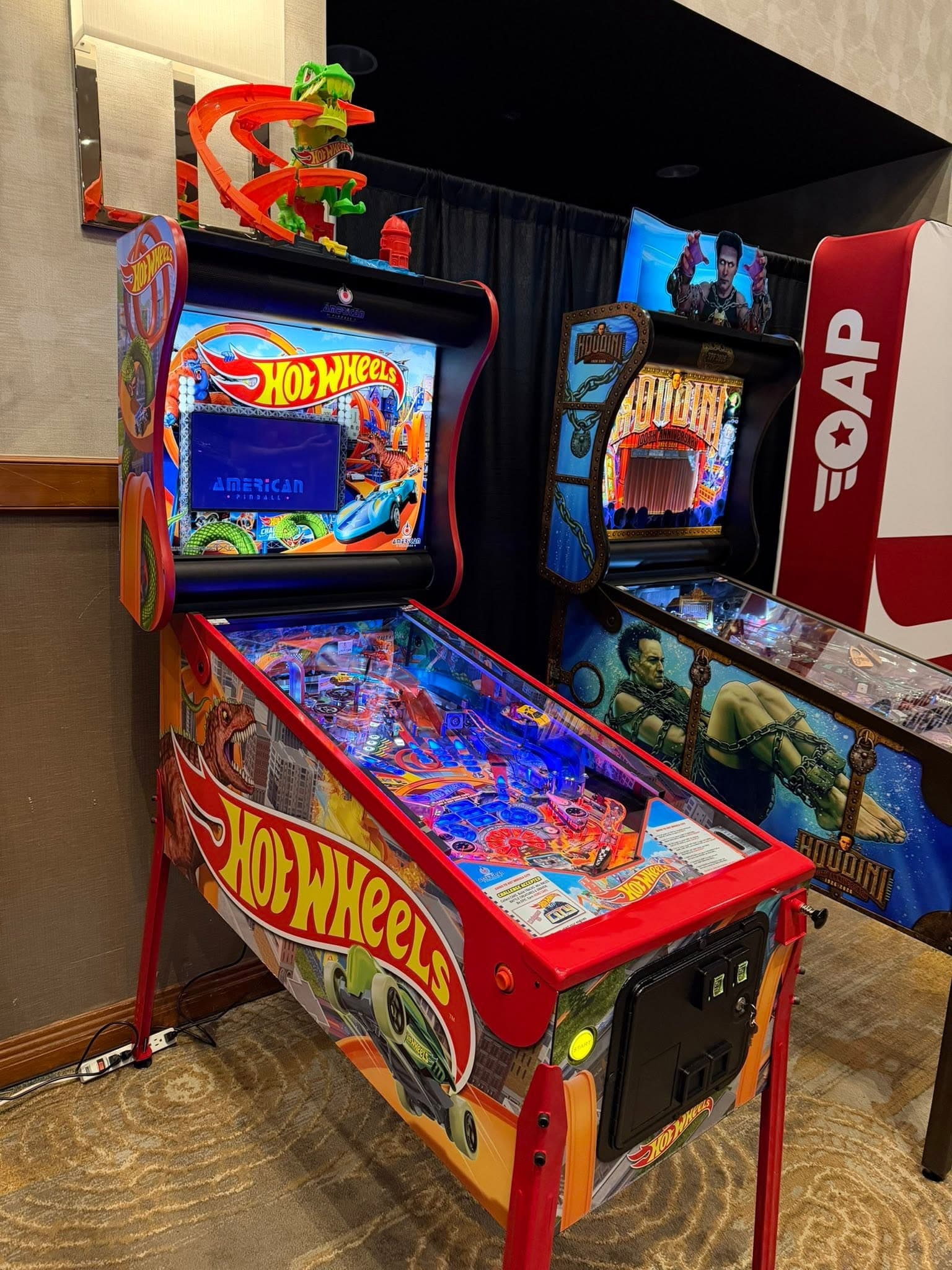
Paul: Hot Wheels was released before you took over AP. Looking back at how it sold and how it was received, is there anything you would have done differently?
J Bryan Vincent: Hot Wheels was the old AP's best-selling game and sold over 2,000 units. However, there are a few things I would have done differently. The theme is great but was lacking on video asset quality. The weakest point of the game was code progression logic. This is a racing theme and this did not come across as well as it could have in the modes and gameplay. It is definitely AP's best shooting game in my opinion; however, as a collector it really lacked in aesthetics. The cabinet art was OK at best and the decals were flat and not the best quality. The legs and trim should have been powder coated red versus black as well. First impressions matter, and I believe it did hamper some of the reception with collectors and operators.
Paul: Following the announcement that you've locked seven classic titles through Planetary Pinball and that you're going after classic titles as well as new ones, how do you decide which older titles are worth reviving?
J Bryan Vincent: There are a number of driving factors in choosing classic titles such as economic viability, secondary licensing complexity, rarity, theme relevance, and whether we can really elevate the game. Some themes are great, but economic realities are that the days of under $7,000 games is over. With remakes, the titles people want are pretty packed and if the game is widely available and sells on the secondary market for under $6,000 it becomes a non-starter. Some of the most desirable games like 1993 Indiana Jones also present major licensing challenges with the actors and license holders. The other reality is that some titles are already allocated and not available. We are focusing on games that have a high level of current collectability with gameplay and shots that feel unique and modern. We also want titles that we can add value through reimagining. This involves elevating the art, adding new code, as well as enhanced or new mechs while maintaining the structure of the original game.
Paul: How does licensing a classic pin work differently than licensing a film or a band?
J Bryan Vincent: The licensing and approval process is much more straight-forward with Planetary on classic pins than a film or band. The only time it becomes more complicated is when we have to go out to secondary license holders for name and likeness, music, etc. and in that regard the process is more similar.
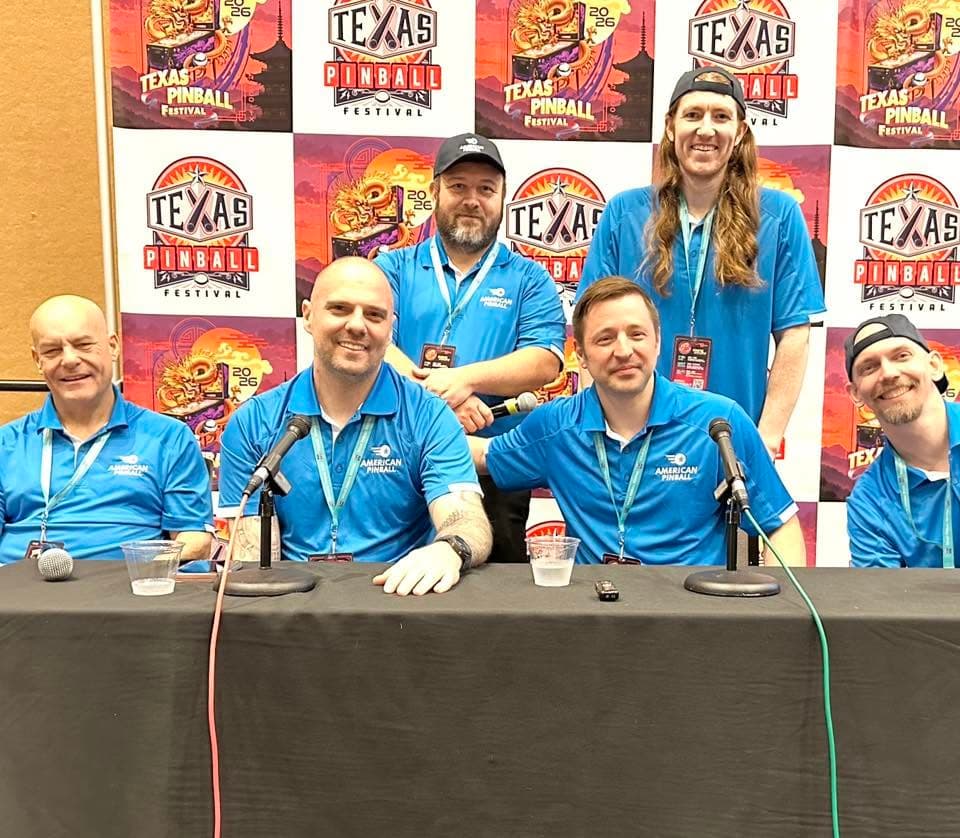
Paul: You're building a design team with Nick Neitzel and Melvin Williams, both strong world-under-glass designers with an affinity for interesting sculpts and mechs. When you go after a license, do you consider what plays to their design philosophy, or trust they can run with whatever comes their way?
J Bryan Vincent: I will say that Melvin is the best there is with mechs, sculpts, and art, and I do give that consideration as we have begun to lock down certain IP. That being said, the great thing about Melvin and Nick is their willingness to step out of their comfort zones. I can assure you that Nick's first game is not one that he would have chosen. The thing that is great about Melvin is his versatility and vision. Any designer can design their dream theme, but truly creative leaders like Melvin have the skills to design and create magic around any theme and motivate the team to do the same.
Paul: Is there a type of license you're actively steering away from? Music, family titles, that kind of thing.
J Bryan Vincent: Yes. I think there are so many licensing themes that are a little overdone, like superhero, horror, and mega movies. We are strategically licensing IP to reach new audiences and find titles with fandom, especially given that we are making limited run games.
Paul: Last one, out of curiosity. What was the machine that got you into pinball in the first place?
J Bryan Vincent: That is easy. When I was a broke student and my wife was selling shoes at night at a department store, we were pretty limited in affordable entertainment. There was a putt-putt place we could walk to on Friday nights where for $3 you could get a round of putt-putt, a drink, a small candy bar and a cup of tokens. They had an Addams Family pinball machine stuck in the corner. We could get a couple of hours of cheap entertainment on that machine. Of course I thought the mechanical hand was really cool and I loved when the flippers went "click-click" on a ball drain, but I really remember the first time I hit the multi-ball. The lights went crazy and the sound built up and then the greatest call-out in all of pinball said "SHOWTIME" and I was hooked. That created a great pinball moment for me. I told my wife that I was going to work really hard and maybe someday I could afford my own AF pinball machine. That was the first machine I bought as a collector.
Comments