- 18
- Games
- 1976
- First game
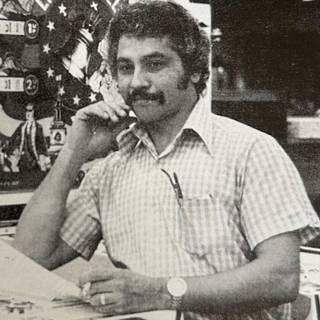
George Christian was a prolific pinball designer at Bally from the mid-1970s through the mid-1980s, instrumental in shaping the company’s transition from electromechanical to solid-state games. Starting with the hit Eight Ball (1977),…
Read the full bioGames
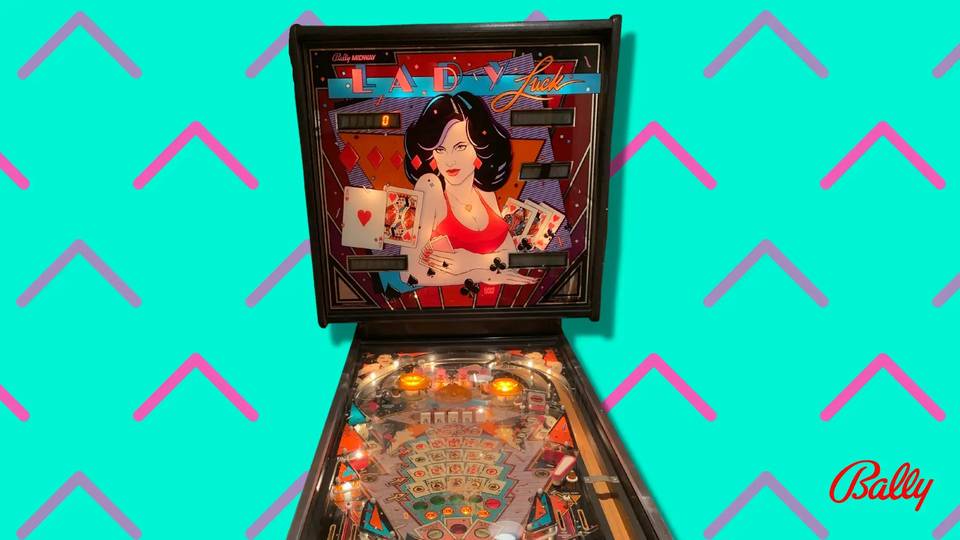
Lady Luck
19862 ratings so farBally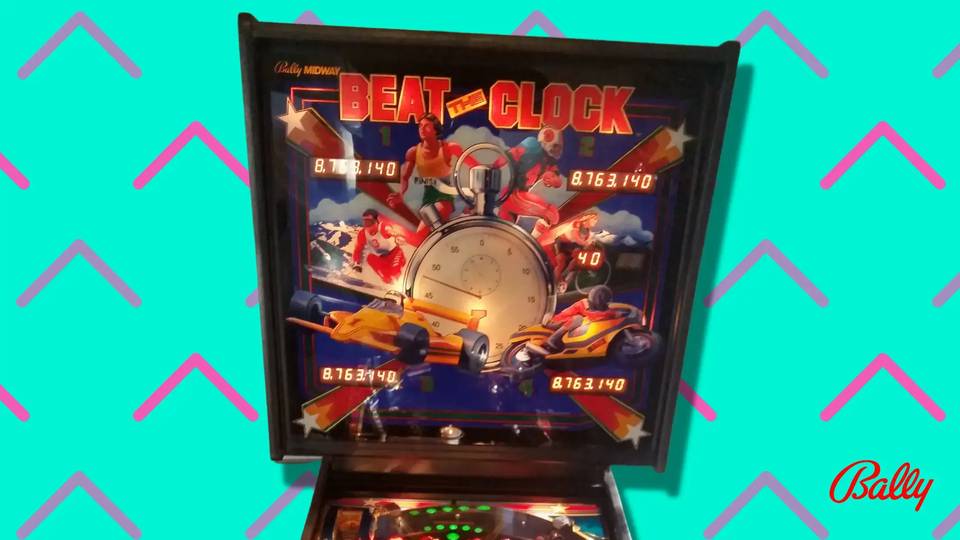
Beat the Clock
19851 rating so farBally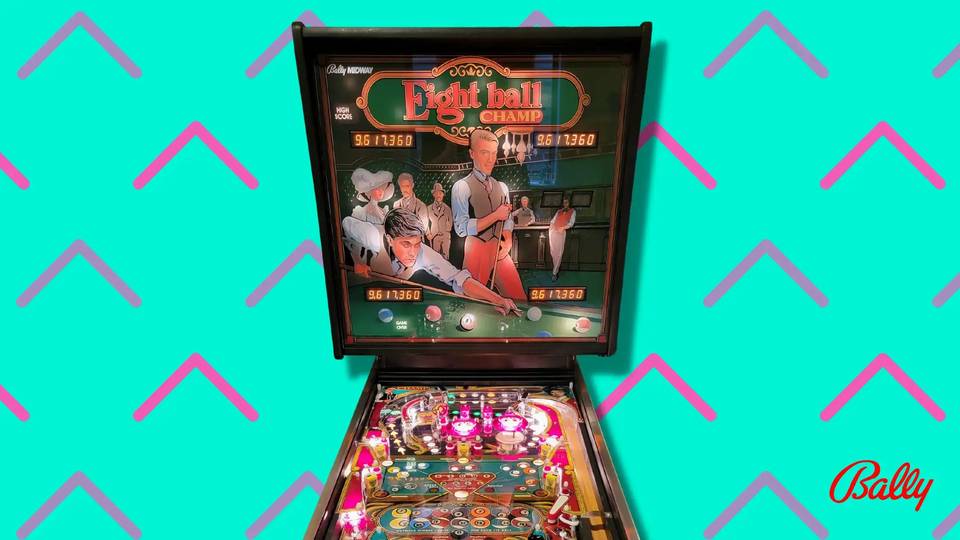
Eight Ball Champ
1985Bally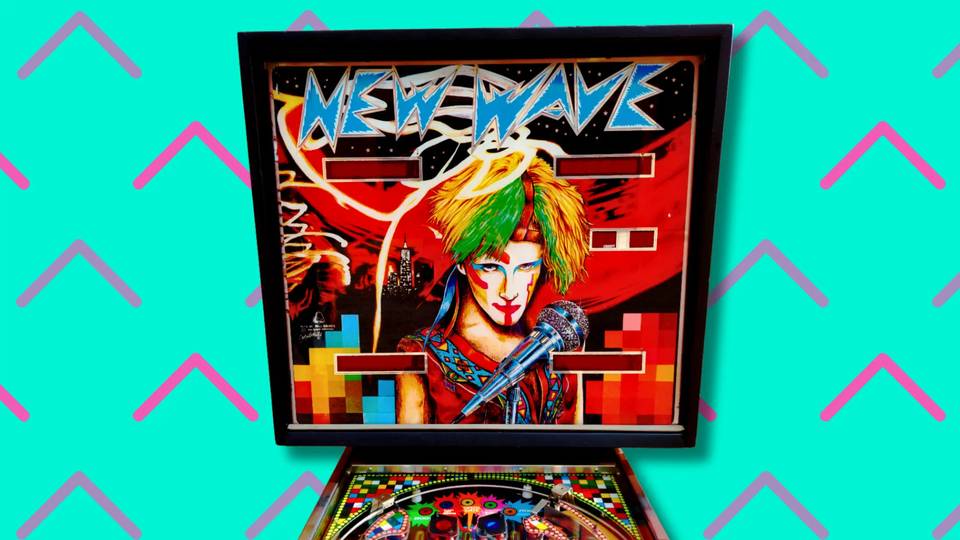
New Wave
1985Bell Games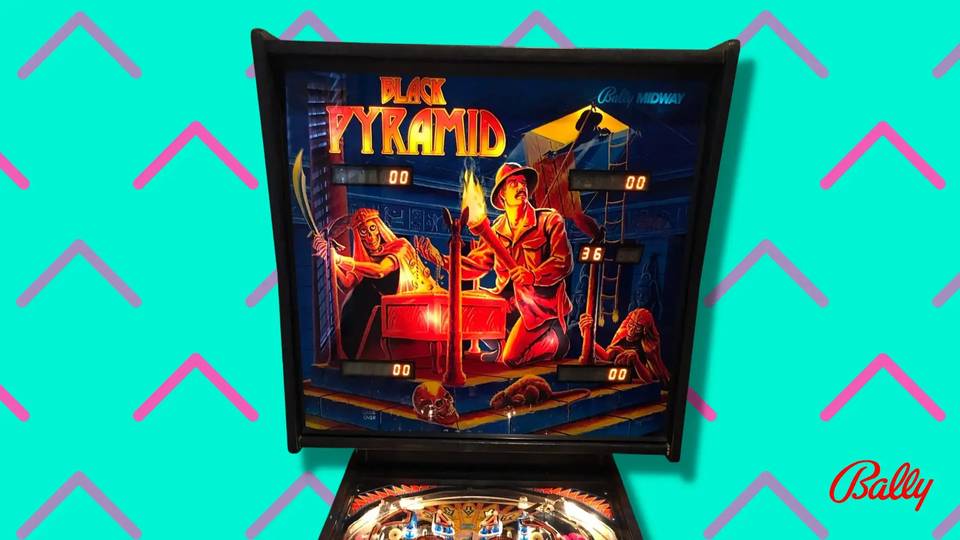
Black Pyramid
1984Bally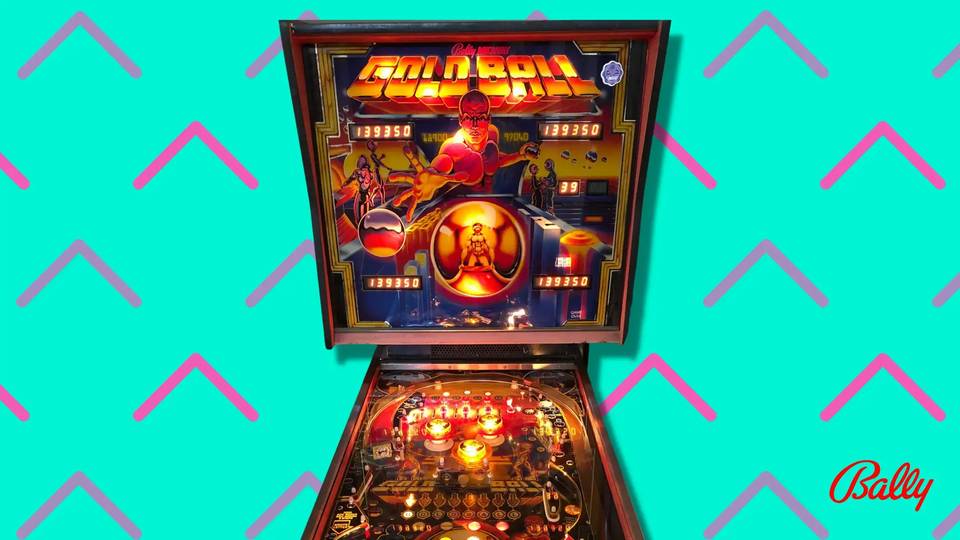
Gold Ball
19831 rating so farBally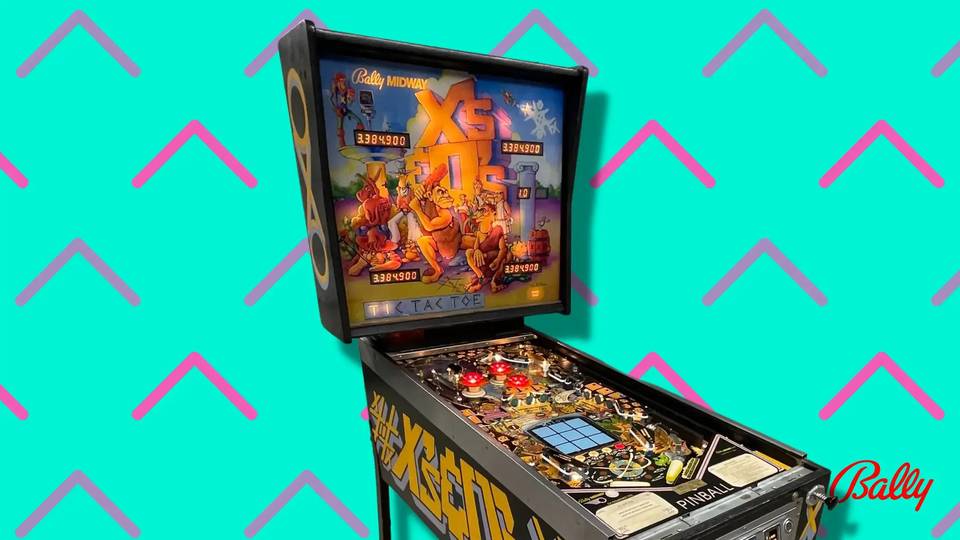
X's & O's
19831 rating so farBally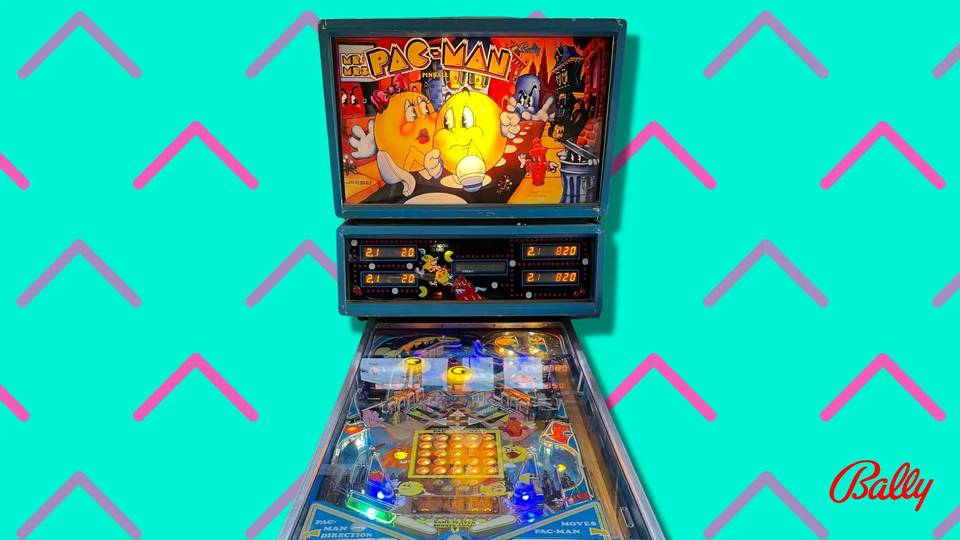
Mr. & Mrs. Pac-Man
198274/100 · 5 ratingsBally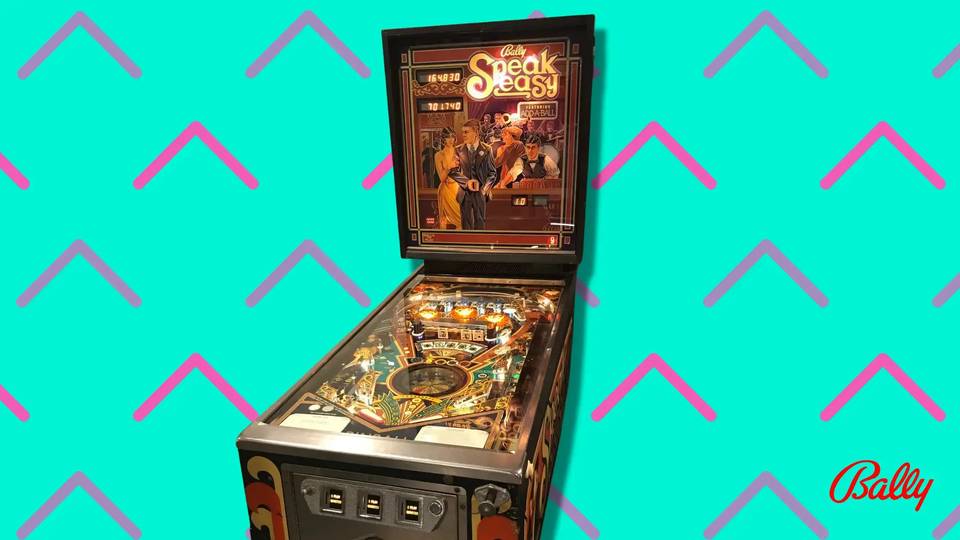
Speakeasy
19822 ratings so farBally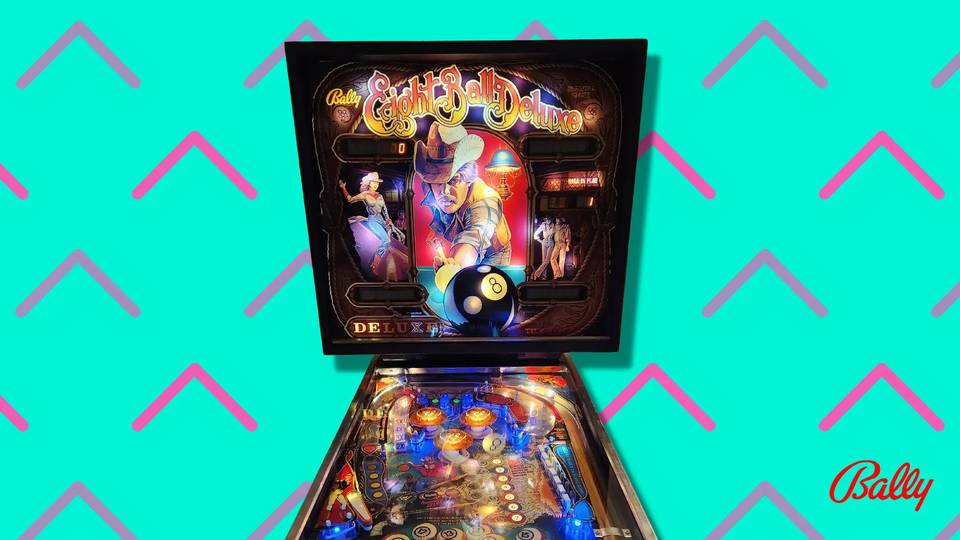
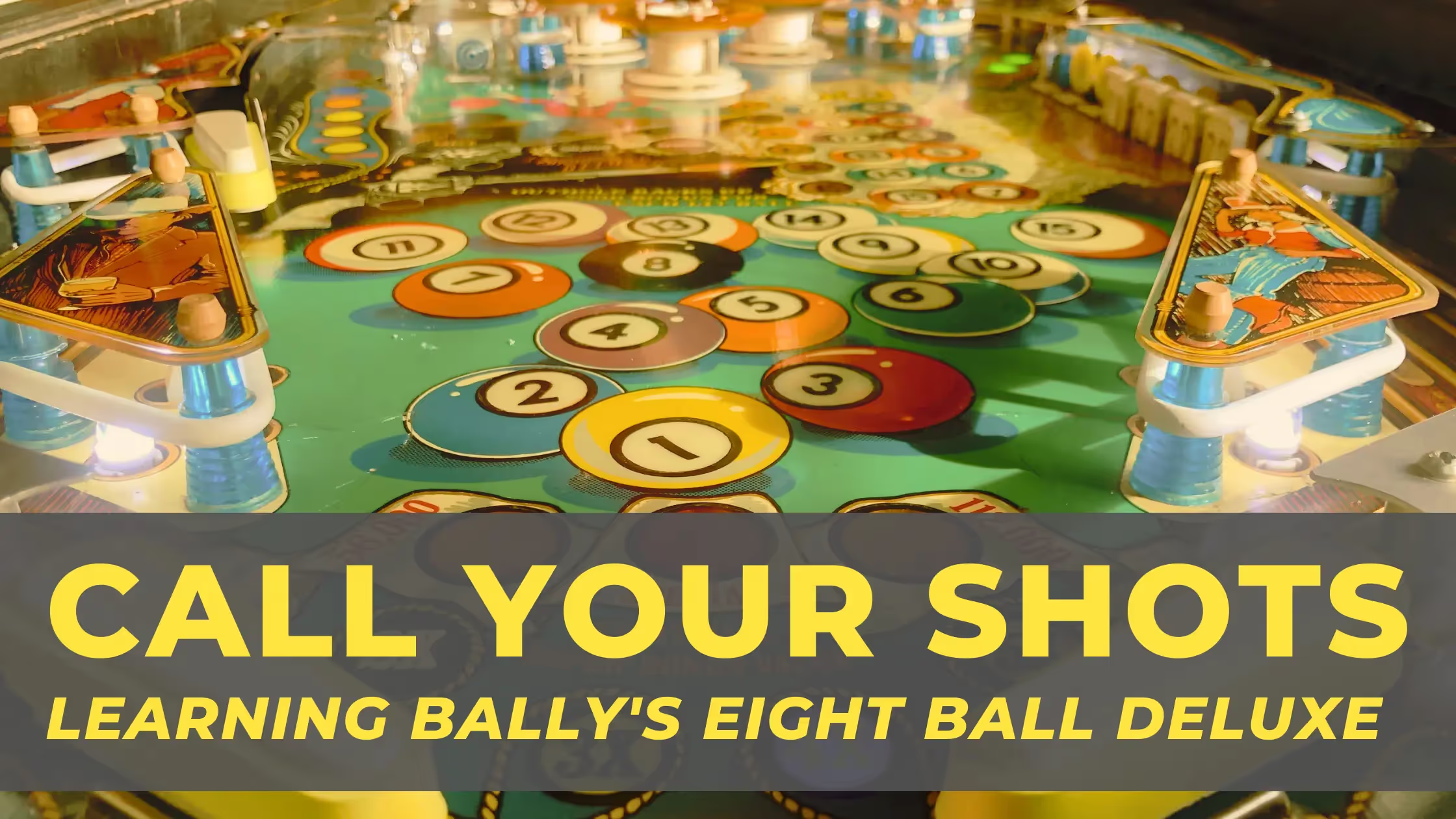
Eight Ball Deluxe
198183/100 · 14 ratingsBally
Frontier
19803 ratings so farBally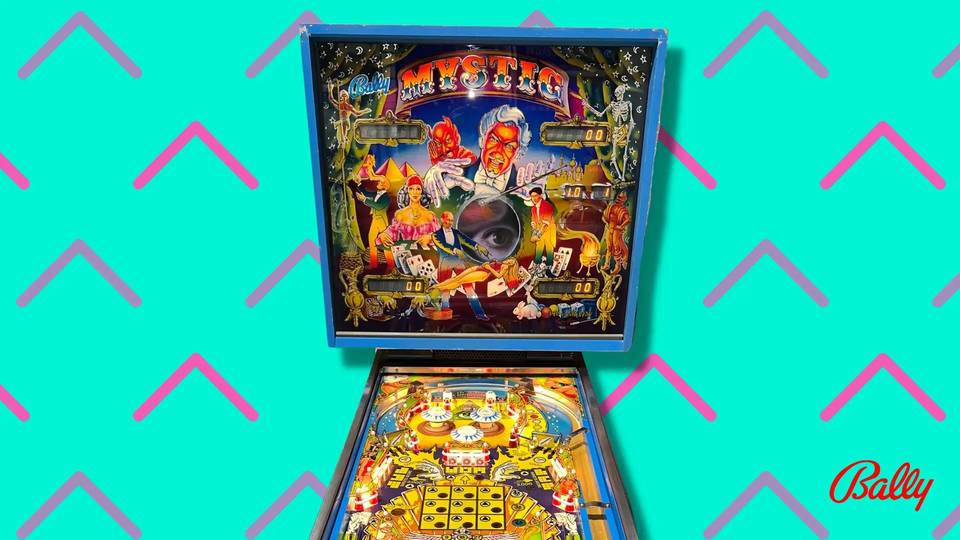
Mystic
19802 ratings so farBally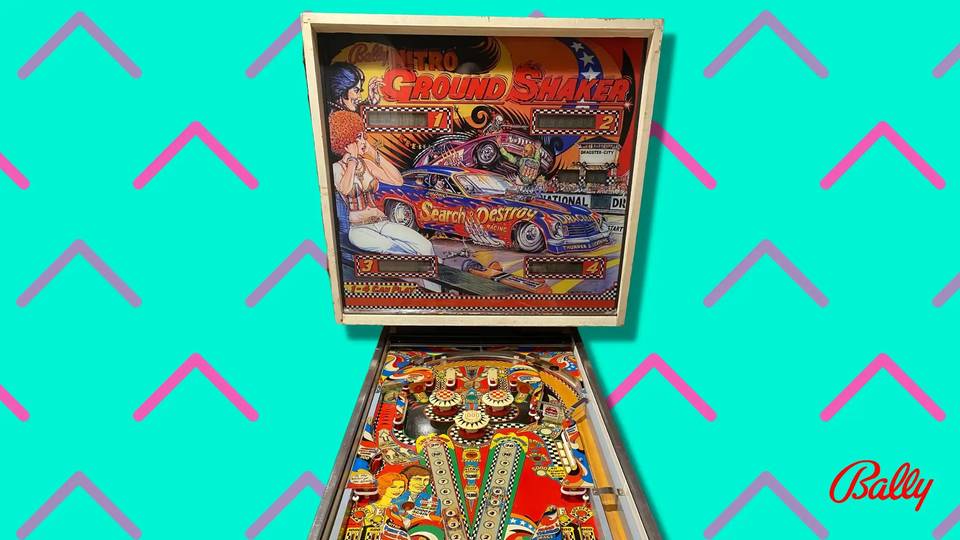
Nitro Ground Shaker
19803 ratings so farBally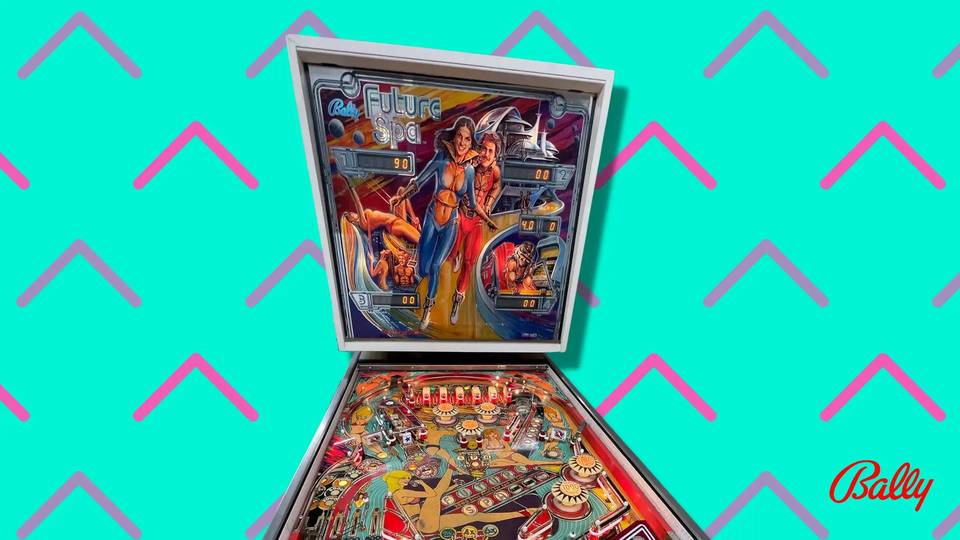
Future Spa
19792 ratings so farBally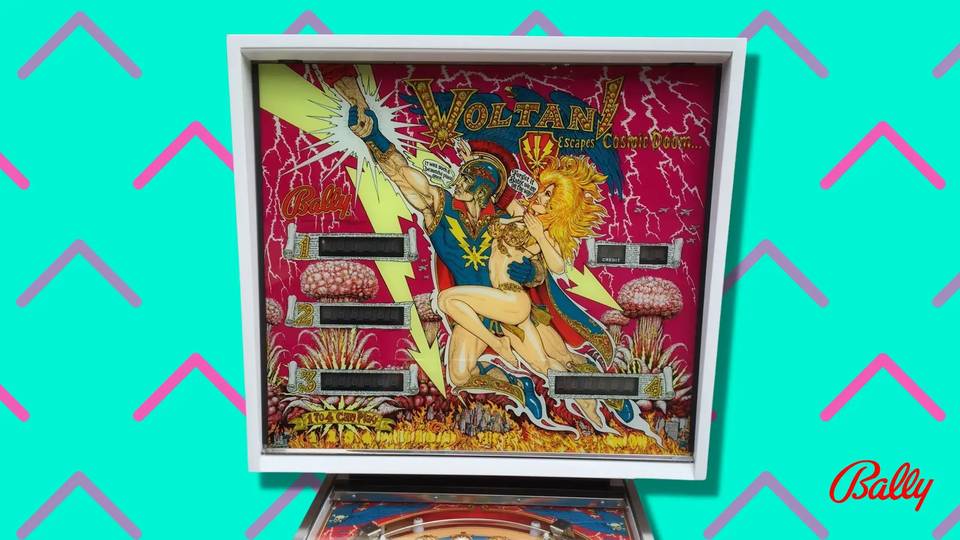
Voltan Escapes Cosmic Doom
19792 ratings so farBally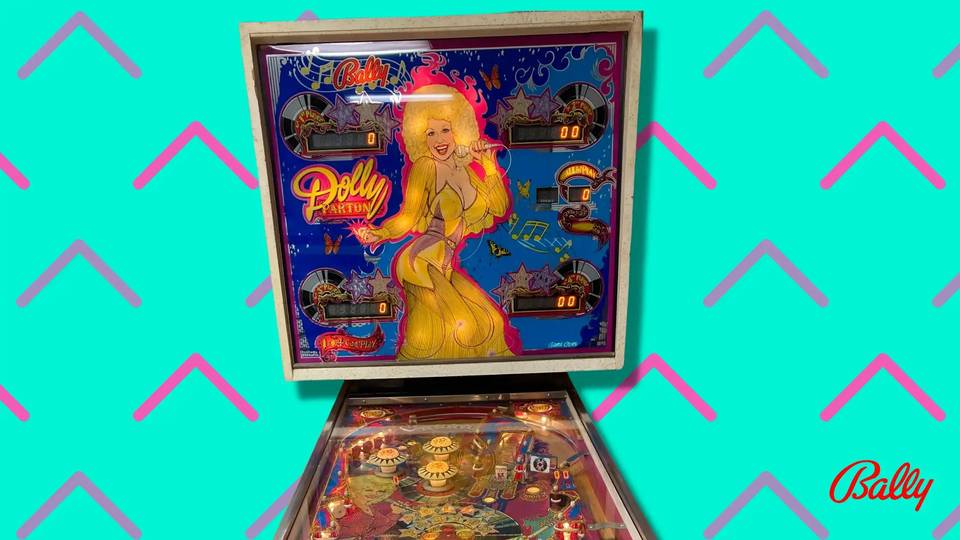
Dolly Parton
1978Bally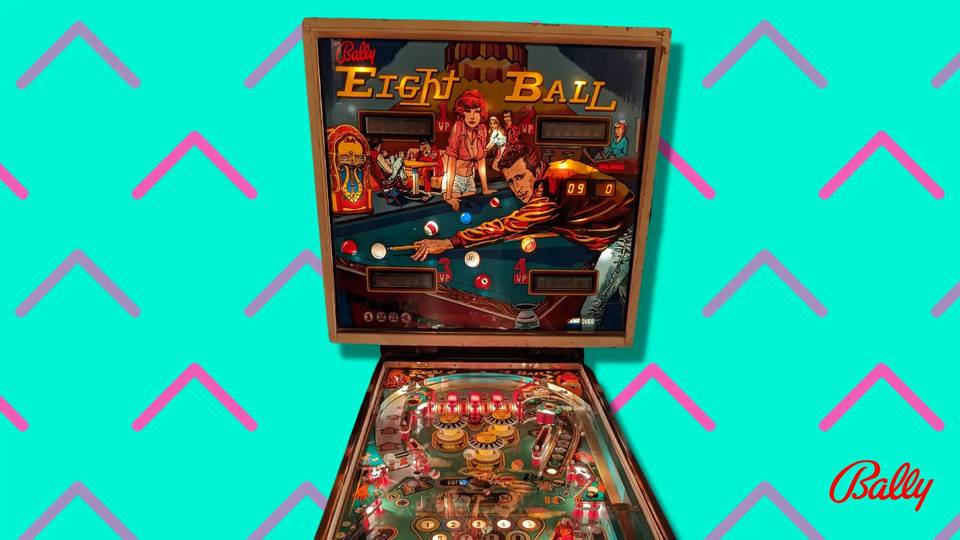
Eight Ball
19771 rating so farBally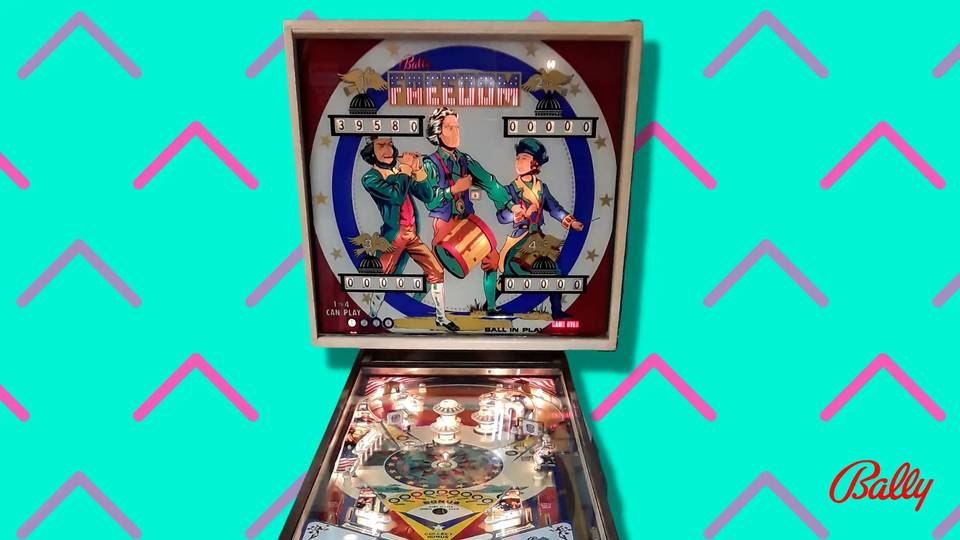
Freedom
19761 rating so farBally
About
George Christian was a prolific pinball designer at Bally from the mid-1970s through the mid-1980s, instrumental in shaping the company’s transition from electromechanical to solid-state games. Starting with the hit Eight Ball (1977), which sold over 20,000 units, he quickly earned recognition for blending accessible layouts, novel features, and popular themes. Later titles such as Dolly Parton, Mystic, Frontier, and the renowned Eight Ball Deluxe further demonstrated his ability to integrate compelling gameplay mechanics (e.g., speech synthesis, innovative drop-target arrangements) and thematic cohesion, helping Bally dominate pinball sales during its so-called “golden era.”
Christian’s work significantly influenced pinball design, player engagement, and the industry’s broader use of technology. With games like Mr. & Mrs. Pac-Man (1982), he explored crossover concepts between pinball and video games by introducing light-based “maze” sequences on the playfield—an early example of hybridizing arcade experiences. Even during challenging market conditions in the mid-1980s, Christian produced inventive designs, notably Beat the Clock (1985), which swapped standard ball counts for a time-based format.
By the late 1980s, George Christian had left Bally as the company’s pinball division was acquired by Williams, concluding a design career that produced more than a dozen notable titles. His enduring legacy is reflected in the continued popularity of his machines among collectors and competitive players, as well as in subsequent pinball innovations that echo his emphasis on skillful shot-making, clever rule sets, and tightly integrated themes.
Worked with
Kineticist Articles

Mentioned in
Page updated April 2026 · Suggest a correction