Grateful Dead
WantedFans keep asking for it. No machine has been announced.
#168of 1,162 on the Hype Index, our daily ranking of themes fans want as machines
Reader hype shows at 5 ratings · 4 so farPeak #6, Jul 2026
Rank updated Oct 11.
Psychedelic jams and iconic imagery could create a trippy, music-driven pinball experience.
Copied!
Rate Your Hype
Grateful Dead has 4 ratings so far; its reader hype score shows at 5.
Gallery
About This Theme
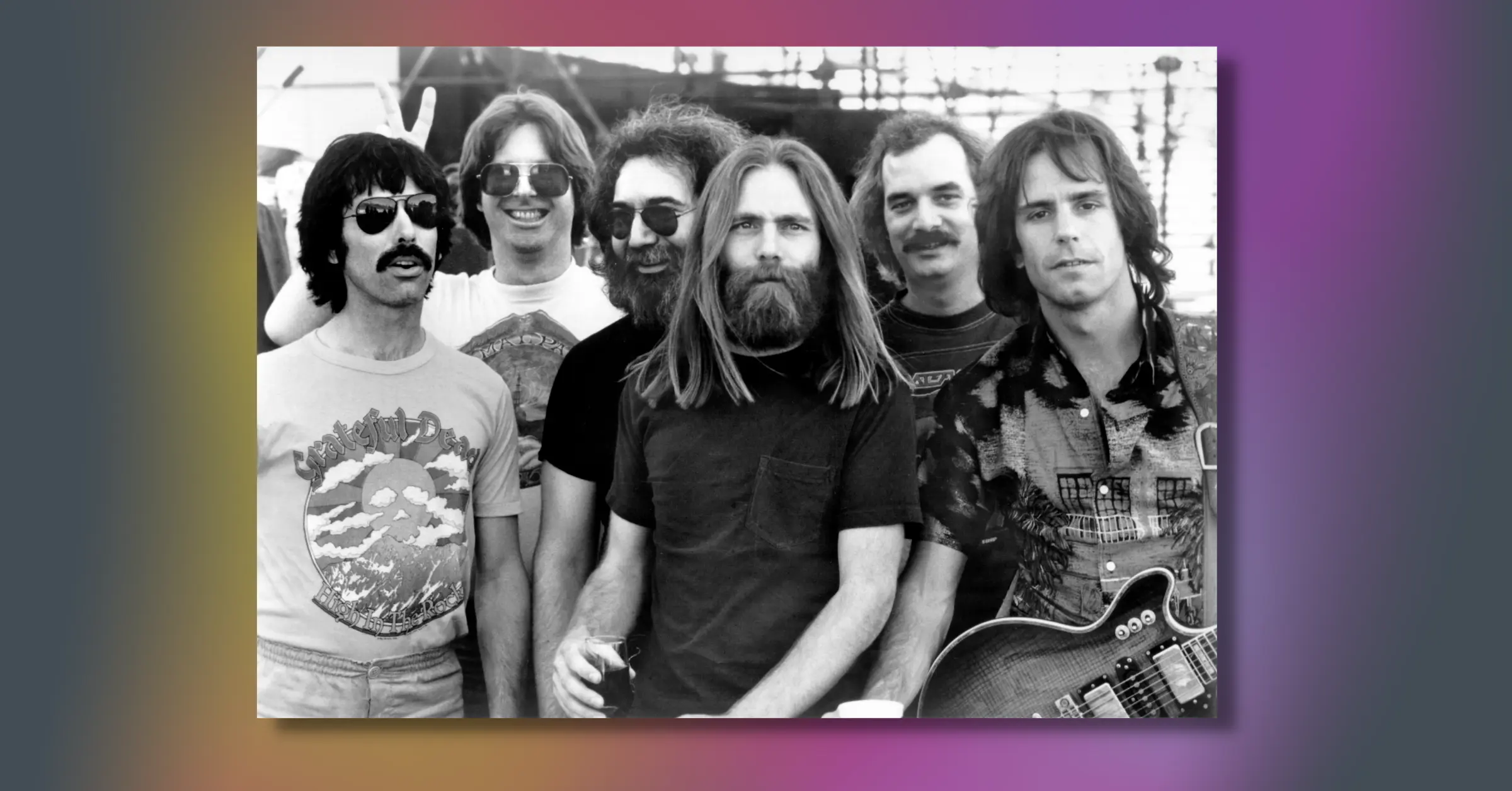
The Grateful Dead, the iconic American rock band formed in 1965, has emerged as a frequently discussed theme among pinball enthusiasts seeking music-themed machines. Known for their eclectic style blending rock, folk, bluegrass, blues, and psychedelic elements, the Grateful Dead pioneered the jam band genre and built one of the most devoted fan bases in music history. The band's cultural significance extends far beyond their musical output, encompassing a counterculture movement, the legendary "Deadhead" community of fans who followed the band on tour, and an instantly recognizable visual aesthetic featuring dancing bears, skull and roses imagery, and psychedelic artwork. The band's influence persists decades after their initial run, with their music and iconography remaining deeply embedded in American popular culture and their estate continuing to actively license the brand across various merchandise categories.
Pinball community discussions have identified the Grateful Dead as a particularly desirable license that would likely achieve strong commercial success. Community members on forums like Pinside have mentioned the band alongside other classic rock acts as overdue for pinball treatment, with some fans expressing that a Grateful Dead machine would be the only rock-themed pinball they would consider purchasing. The band's willingness to license their imagery extensively suggests that rights acquisition would be feasible, and the built-in Deadhead fanbase represents a ready market of collectors who might purchase multiple units across different trim levels.
A Grateful Dead pinball machine would offer exceptional opportunities for distinctive visual design and gameplay integration. The band's rich iconography, including Skeleton and Roses artwork, dancing bears, the Steal Your Face skull logo, and the tie-dye aesthetic associated with Deadhead culture, would provide instantly recognizable and colorful playfield elements. Gameplay could incorporate themes from the band's legendary live performances, their concept of the "long strange trip," references to specific songs and albums, and the communal experience of Dead concerts. The extensive musical catalog spanning three decades would supply abundant audio content, with the band's improvisational jam style and beloved songs like "Truckin'," "Touch of Grey," and "Casey Jones" offering varied soundscapes. Mode design could reference the band's marathon concerts, their famous 1987 comeback, or narrative elements from songs, while multiball features might evoke the energy of live performances with multiple band members represented on the playfield.