Metroid
WantedUpdated September 2026
#137▼41this week79/100 community hype
Samus's morphball mechanics and alien atmosphere could translate brilliantly into a sci-fi pinball adventure.
Copied!
Rate Your Hype
Gallery
About This Theme
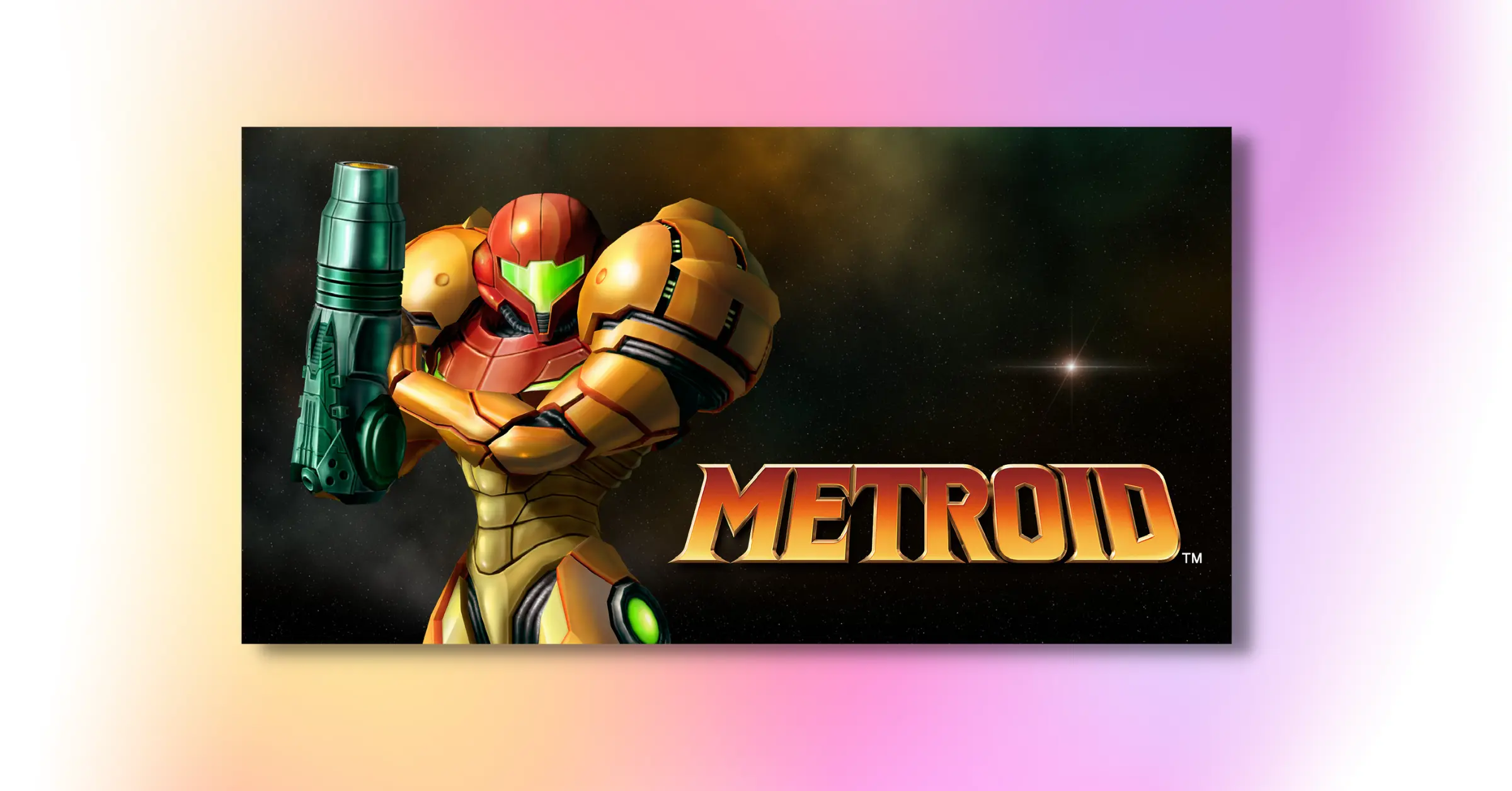
Metroid is a science fiction action-adventure video game franchise created by Nintendo that debuted in 1986, following the adventures of bounty hunter Samus Aran as she explores alien worlds and battles the parasitic Metroid creatures and the Space Pirates who seek to exploit them. The series is widely recognized for pioneering the exploration-based platformer genre, often termed "Metroidvania," and became culturally significant as one of gaming's first major franchises to feature a female protagonist, though this was revealed only at the end of the original game. With titles spanning multiple Nintendo consoles and selling millions of copies worldwide, Metroid has influenced countless games and established itself as one of Nintendo's core franchises alongside Mario and The Legend of Zelda.
Discussion of a Metroid pinball machine has gained traction among pinball enthusiasts who view the franchise as an ideal candidate for adaptation to the medium. Community discussions frequently cite Metroid alongside other classic Nintendo properties like Mario, Zelda, and Castlevania as video game intellectual properties that would appeal to current pinball demographics and could become top-selling themes. Fans have noted that the franchise's visual and gameplay elements translate naturally to pinball mechanics, with one detailed community proposal suggesting that Samus's Morph Ball ability could inspire unique playfield features, suit upgrades could function as progressive unlocks similar to accessing new areas in the games, beam weapon upgrades like the Spazer could trigger multiball modes, and the iconic escape sequences could serve as timed wizard modes similar to Jurassic Park's design.
The franchise offers rich opportunities for pinball adaptation through its distinctive audiovisual identity and gameplay structure. The atmospheric music composed by Hirokazu Tanaka and Kenji Yamamoto, ranging from the haunting exploration themes to intense boss battle tracks, would provide a memorable soundscape for a pinball experience. Visual design could incorporate the series's signature aesthetic, from the pixelated retro style of the original games to the detailed alien environments of later entries, with potential playfield art featuring iconic locations like Planet Zebes, the Space Pirate mothership, and the final confrontation with Mother Brain. The progression-based gameplay of Metroid games, where players gradually acquire new abilities to access previously unreachable areas, maps naturally onto pinball's mode-based advancement systems, while memorable elements like power-ups, different beam weapons, and the tension of timed escape sequences offer clear mechanical hooks for shot combinations, multiballs, and stacked modes that would engage both pinball players and fans of the source material.