Rate Your Hype
Gallery
About This Theme
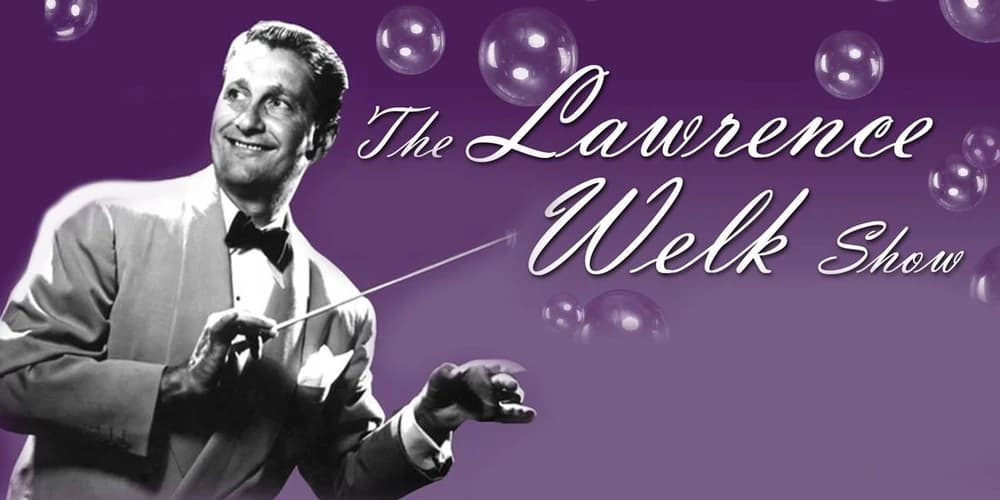
The Lawrence Welk Show pinball machine has emerged as a recurring topic of discussion among pinball enthusiasts, though largely as an inside joke within the community. The Lawrence Welk Show was a musical variety program that aired from 1955 to 1982, becoming one of the longest-running and most successful programs in television history. Hosted by bandleader Lawrence Welk, the show featured champagne music, a style characterized by light, bubbly arrangements, along with performances by regular cast members including the Lennon Sisters, accordionist Myron Floren, and various singers and dancers. The show became a cultural touchstone for middle America and older audiences, representing wholesome family entertainment with its emphasis on polite, non-controversial musical performances and clean-cut presentation.
Discussions about a Lawrence Welk Show pinball machine appear to have originated as a humorous reference within pinball forums, with community members using it as a code name or joke when speculating about upcoming releases. According to community mentions, some participants have treated it as a running gag, with one commenter noting that the joke has worn thin over time. However, at least one comment suggests genuine interest, mentioning a 92-year-old fan for whom such a machine would be a favorite. One post claimed that designer John Borg wanted to pursue the theme but faced licensing issues with the estate, though this cannot be independently verified.
Despite its origins as a joke, The Lawrence Welk Show could theoretically work as a pinball theme due to its rich audiovisual possibilities. The show's iconic bubble machine visual effect could translate into creative lighting and display elements on the playfield, while the extensive music catalog spanning big band, polka, jazz, and popular standards would provide abundant audio content. Gameplay could incorporate dance-themed modes representing different cast members and musical styles, with the accordion as a potential mechanical toy element. The show's long run produced memorable recurring segments and personalities that could serve as mission objectives, while the wholesome, upbeat aesthetic would offer a distinctive contrast to the action and horror themes common in modern pinball. The intergenerational appeal could attract older collectors nostalgic for the program's Saturday night broadcasts while introducing younger players to a unique piece of television history.