Episode 29 - Modern Pinball
Podcast

Wedgehead Pinball Podcast
1 hr 1 min
Summary
Wedgehead hosts debate what defines modern pinball: LCD screens, deep code, fewer mechs, and Stern's market dominance.
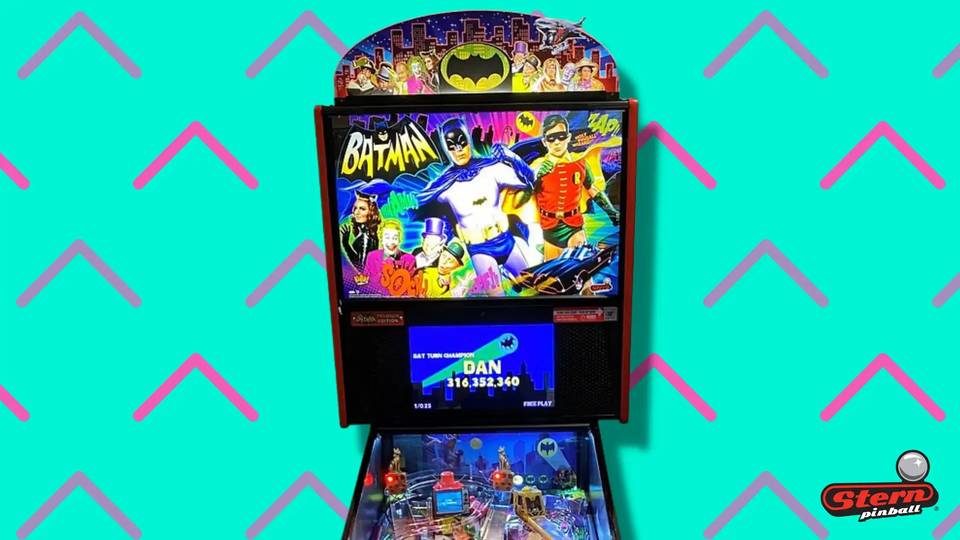
Alan and Alex discuss what defines the modern pinball era (2014-2024), centering on LCD displays, deeper rule sets, continuous code updates, and the de-emphasis on mechs in favor of code-driven gameplay. They analyze how Stern's Spike 2 platform revolutionized the industry, trace the reception of early LCD games from Batman '66 to Iron Maiden, and explore how licensing expectations, pricing models (Pro/Premium/LE), and design philosophy have shifted toward playfield reliability and home collector appeal.
Highlights
- Jersey Jack Pinball's Wizard of Oz (2013/2014) marks the true start of the modern era with its LCD display, three years ahead of Stern's first LCD game.
- Stern released 24 Spike 2 games, with only Munsters ranking outside the top 100 on Pinside, demonstrating exceptional market success.
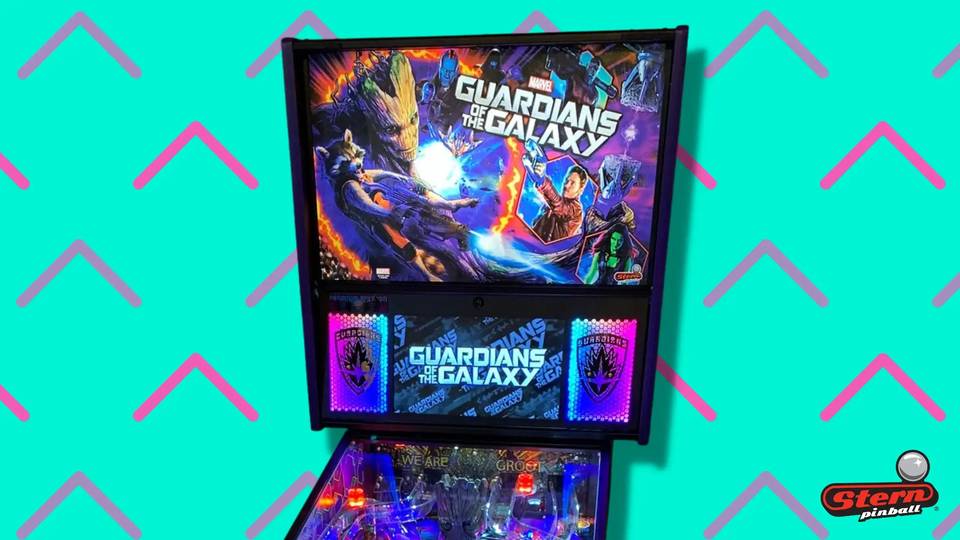
- Early Spike 2 games (Batman '66, Aerosmith, Star Wars, Guardians of the Galaxy) shipped with incomplete code due to resource strain on LCD implementation.
- Batman '66 was initially dismissed as 'a box of lights' with weak code, but community opinion later shifted positively.
- Guardians of the Galaxy shipped without licensed voice actors, using inferior replacement voiceovers instead.
- Dwight Sullivan intentionally shipped Munsters without ball save as part of a simplified rules philosophy, then quickly added it after community backlash.
- Modern Stern games prioritize code-driven gameplay over mechs, with Pro models typically featuring one mech or none, designed for home collector and location operator reliability.
- Black and white art premium Munsters models now command higher secondary market prices than original retail price.
Comments