
So the best thing you can do at any convention is find a designer, and ask them about a time a licensor drove them crazy. No guns on the playfield, a key mech pulled weeks before shipping, hell, after nine years working in video game design, I once had a prototype killed because the NFL decided tackling made the sport look violent. In a football game.
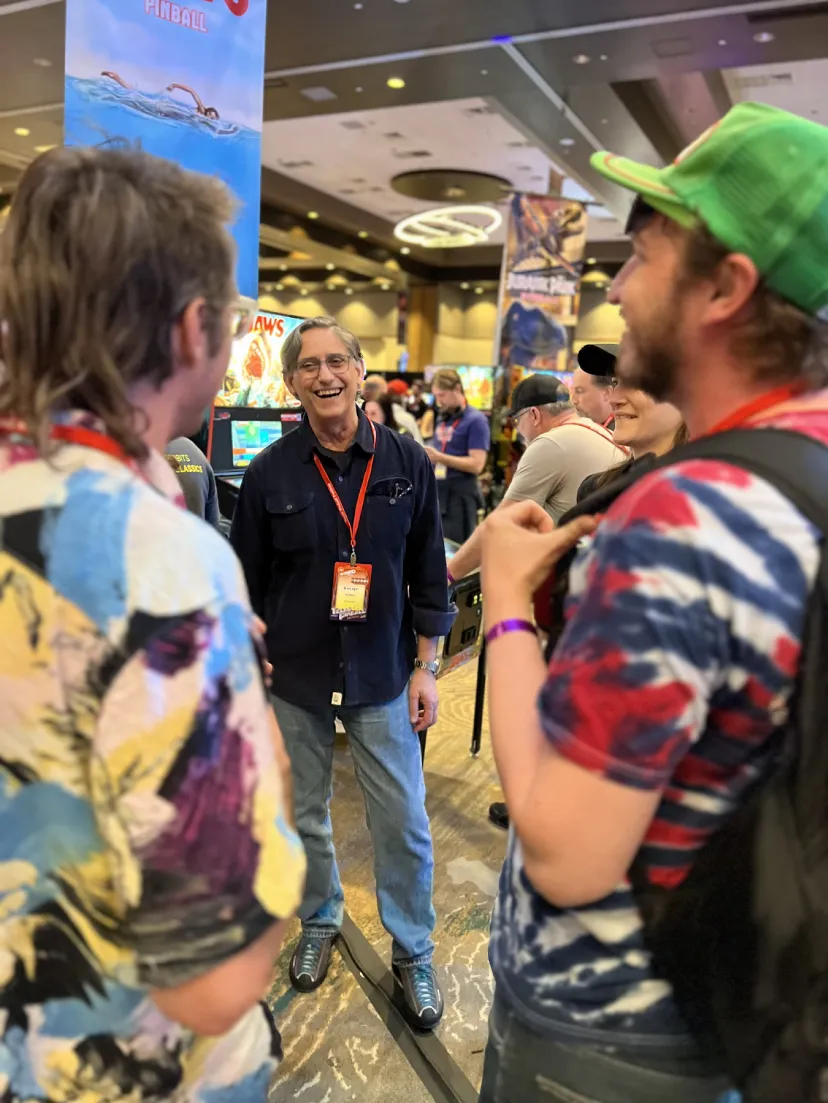
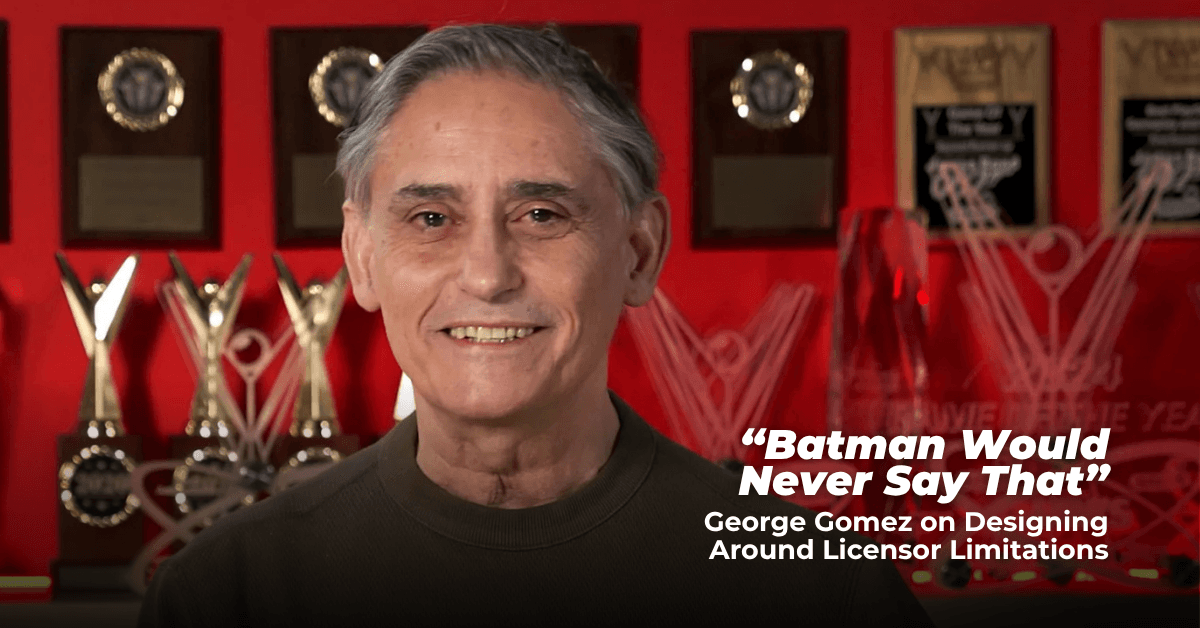
Their rule is law, and what a developer does when they hit those walls defines their design identity, something on my mind a bit after Stern recently released both Pokémon and Transformers. So I reached out to George Gomez who, God bless him, answered in three minutes.
Paul Melio: How does Stern typically determine if a license is a good fit?
George Gomez: We are focused on creating games that appeal to the broad audience that plays, owns and collects our games. We are also very interested in growing the market for pinball by attracting new players. We try to mix up the types of themes that we offer every year to cover a variety of interests. We listen to opinions from the community, we follow pop culture, we do market research and in general, as game enthusiasts, we also dream about what we would like to make. With Insider Connected we get a wealth of data on how, what and where people are interacting with the games.
Paul: Do you go into early meetings with a wishlist, or do you and your team design around what you can get?
George: We are typically working on deals several years before you see them — for example we are currently having discussions on the product line for 2028. Over the years we have created an amazing "blue chip" portfolio of brand relationships because we have consistently created games that are true extensions of the themes into the medium of pinball.
Every year the brands pitch us on the available properties, we also attend the licensing show and we also get a lot of requests from product and lifestyle brands that are not in the entertainment media category such as car companies, lifestyle fashion products brands, toys, etc. It's very important to me that the teams be passionate about what they are building, so the teams typically raise their hands to work on games and at times the game themes are suggested by the teams. They can also be rejected by the teams.
Paul: What's the oddest thing a licensor has ever pushed back on?
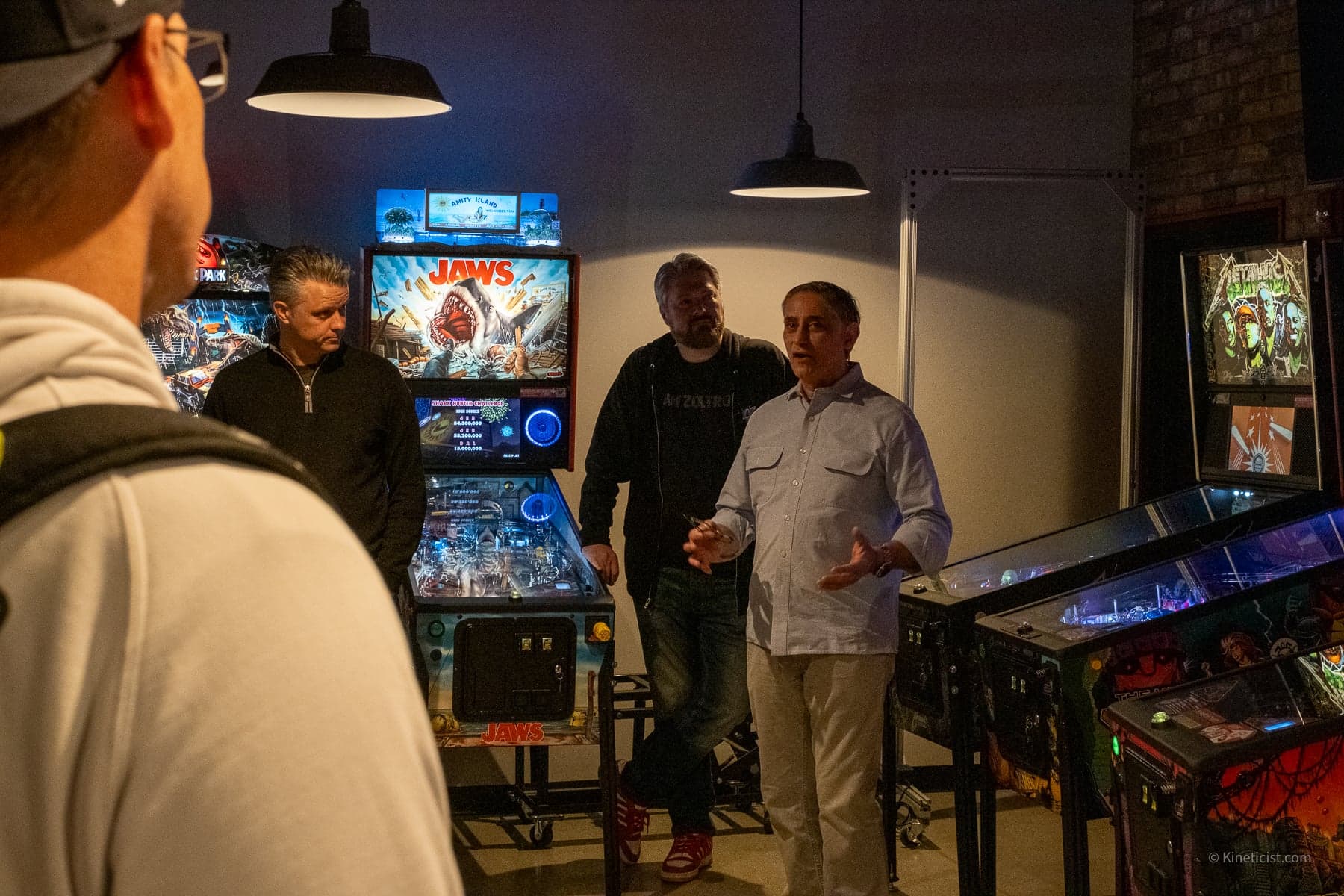
George: Licensors have 100% right of approval. That means that every piece of art, every sculpt, every video or audio presentation, all marketing materials, all game concepts, etc. If it's a part of the game or the marketing of the game it has to be approved. "Oddest" doesn't come to mind but I can tell you that when I wrote the script for Batman: The Dark Knight pinball, the licensor rejected a speech call by telling me that: "Batman would never say that."
Paul: Is there anything non-negotiable on your end when working with a licensor?
George: Well yes, a lot of things are non-negotiable; licensors do not get to "design" our games. They can certainly control how we apply the elements of the brand but they don't design the games in any way. There are many things that are inherent to pinball that they do not have control of. We have backed out of deals that were too restrictive. We once backed out of a deal because the art and the elements of the game that they wanted us to use were so far removed from what we felt the audience expected that we did not believe we could succeed.
Paul: Has a licensor ever approved or given you something that genuinely surprised you?
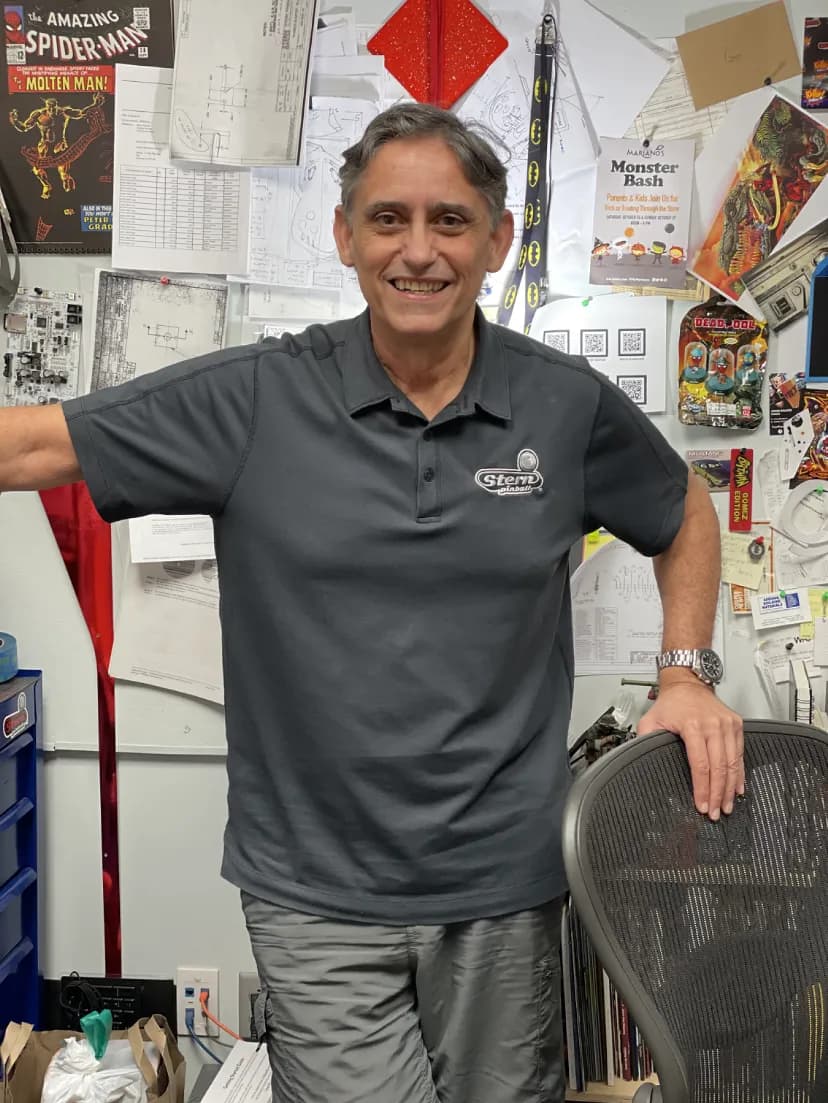
George: Yes, usually it's access to a celebrity or usage of content such as video assets or some obscure element of the franchise that was perceived to be difficult and they facilitated the deal. I was really pleased with the amount of TV show assets that we were allowed to use in Batman '66.
Paul: Has a restriction ever accidentally made a game better?
George: That's hard to say, nothing comes to mind.
Paul: What does the pinball community get wrong about licensing?
George: The community isn't aware that licensed brands are typically divided into product categories and pinball isn't a nice clean fit because it's made up of elements that often overlap these varied categories. We have physical toys, audio, video, 2-dimensional art, gameplay elements, animations and 3D art assets. Do we fit into their merchandised products category or into the interactive products category or into the toys category? Each category also varies by licensor — one might have 15 different categories that it licenses products in and another might have 3. Every licensor is different. Every one of these segments has certain restrictions and we have to abide by those.
The most difficult elements of licensing are that not only do the rules vary by licensor but the people providing that guidance from the licensor also vary in focus and style. The things that are important at one place are not the same at another. The nuances of modern pinball — such as its interactive nature, computing power that gives us the ability to create presentation and choreography events, internet connectivity that gives us additional extensions of the game, along with the advances in the quality of our animatronics and toys, not to mention the quality of the 2-dimensional art assets — are all mind-boggling to a licensor that is unfamiliar with the modern game. This presents real challenges and at times the process is such that they look but they don't really understand until game assets and elements are submitted for approval.
Another often misunderstood element is that at times access to assets is restricted until the deal is done. This means that sometimes it is unclear what it is that you are getting or what restrictions come with the license. We are trying very hard to do due diligence up front to prevent misunderstandings once a deal is done. I think licensing is one of the most challenging aspects of my work.
Comments