Episode 8 - Pinball Terminology Explained (new players start here)
Podcast

Wedgehead Pinball Podcast
40 min
Summary
Educational episode defining essential pinball terminology for new players.
Alan from Wedgehead Pinball Podcast delivers a solo educational episode explaining common pinball terminology for new and curious players. The episode covers pinball machine eras (EM, solid-state, DMD, LCD), physical components (cabinet, backbox, flippers, ramps), playfield mechanics (scoops, drop targets, magnets, coils), and player skills (slap saves, cradles, post passes). Alan emphasizes that many terms have become invisible jargon to experienced players and provides clear definitions to make the hobby more accessible.
Highlights
- EM (electro-mechanical) era pinball machines used bells, chimes, score reels, and lights instead of circuit boards for scoring
- The Wedgehead podcast name derives from Gottlieb's wedge-shaped backbox on single-player machines, affectionately called 'Wedgeheads'
- Solid-state era pinball spans roughly 1979 to 1989, characterized by circuit boards, electronic sounds, and alphanumeric displays
- DMD (dot matrix display) era roughly spans 1990 to 2012, characterized by pixelated orange or red displays and multiball modes
- Jersey Jack Pinball's Wizard of Oz (2013) changed industry standards by introducing LCD screens, making DMD feel outdated
- Modern flippers have been standardized at three inches since the mid-1970s, with EM era flippers at two inches
- Addams Family's hidden magnets (called 'the power') made the game ubiquitous and created a widespread misconception that all weird ball bounces are due to magnets
- Death saves and bang back moves are not tournament-legal and Alan explicitly bans them at Wedgehead venue
In this episode
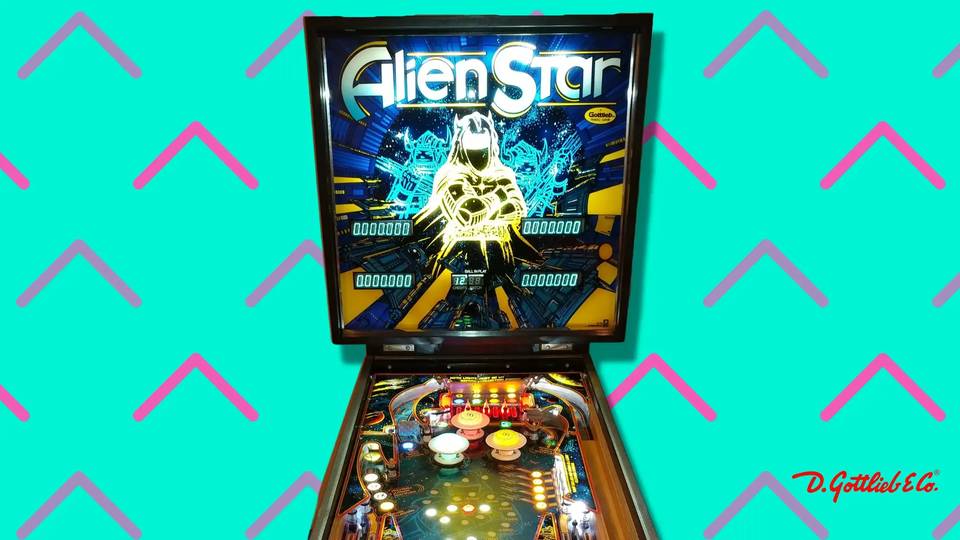
Alien Star
Gottlieb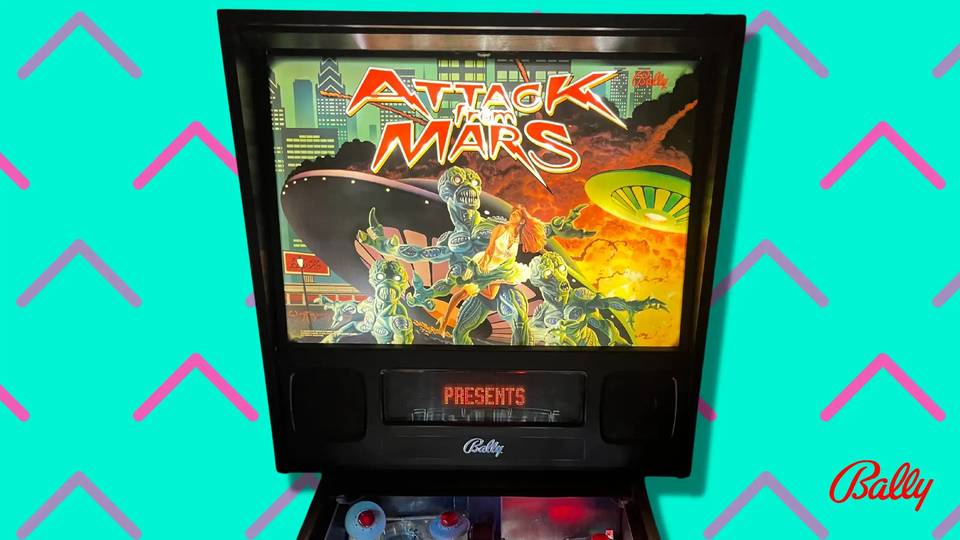
Attack from Mars
Bally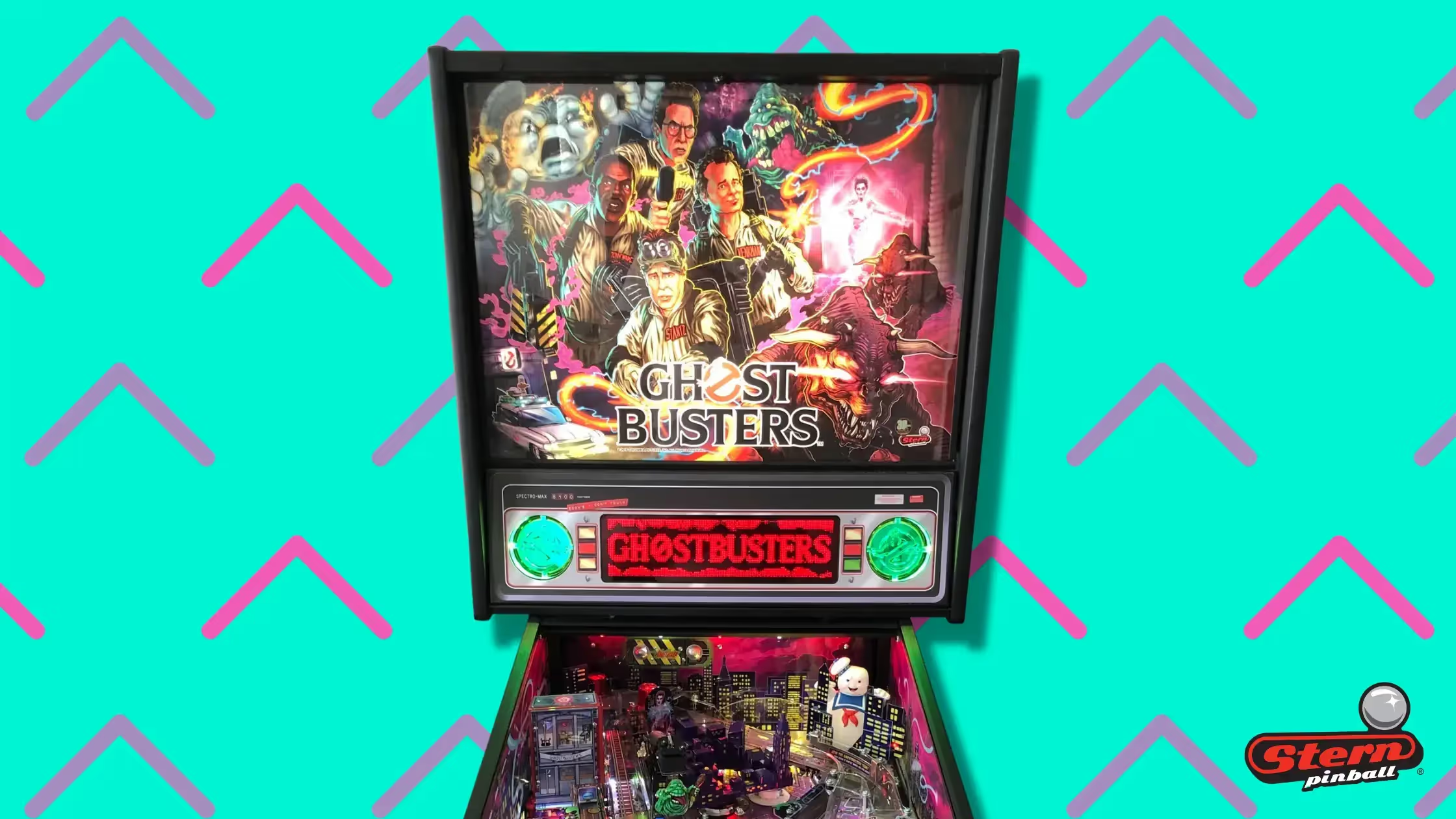
Ghostbusters
Stern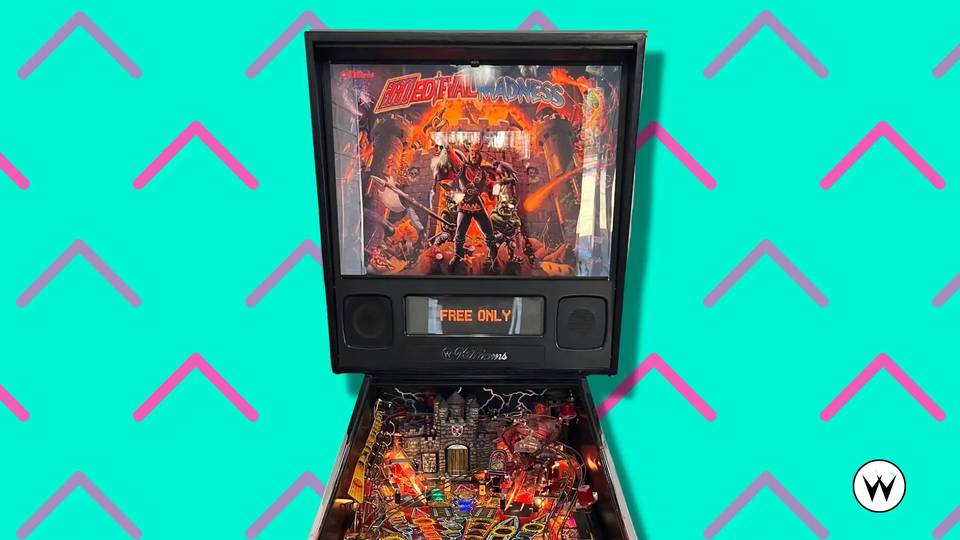
Medieval Madness
Williams
Metallica
Stern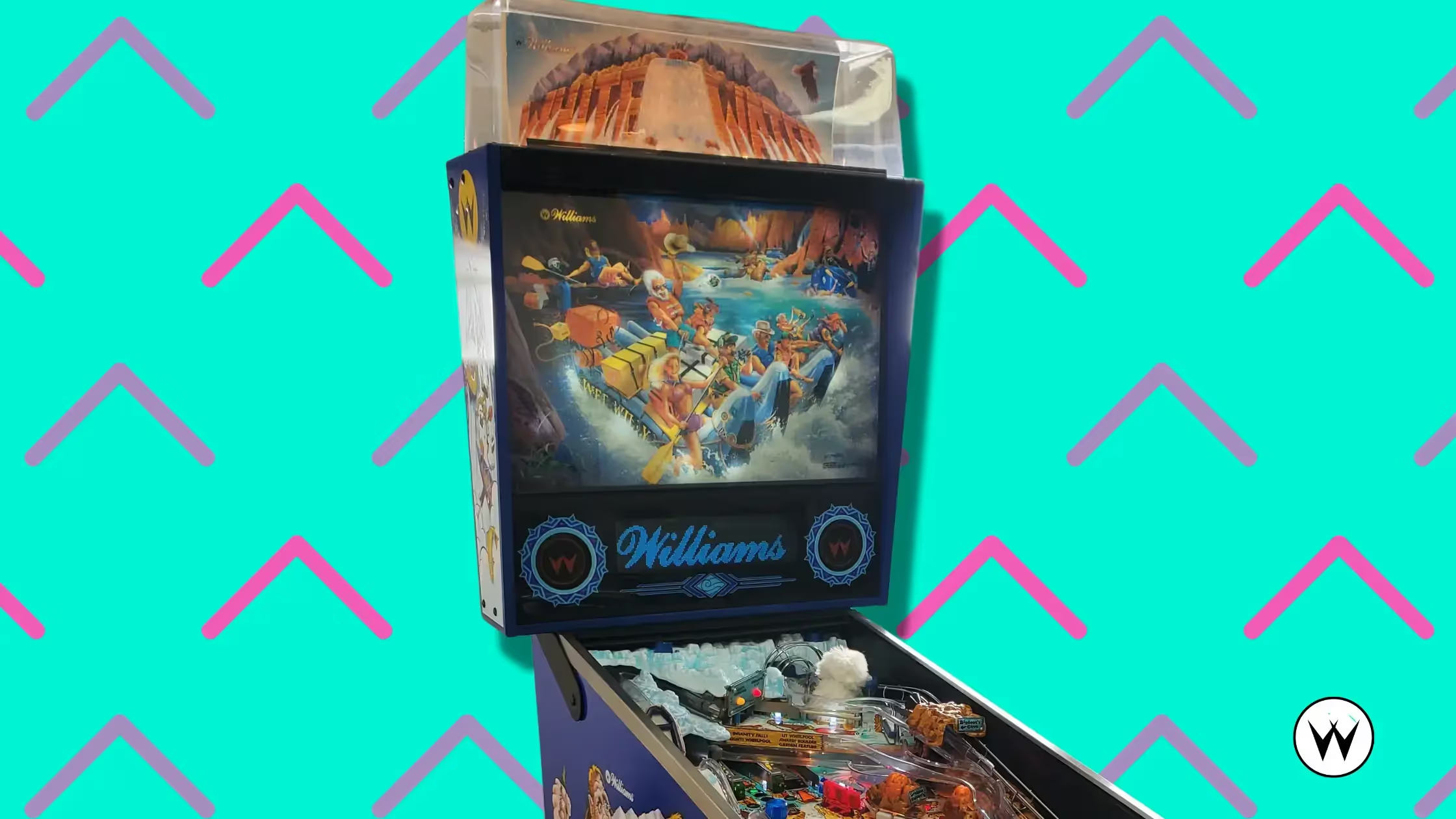
White Water
Williams
Comments