
- 19
- Games
- 1989
- First game
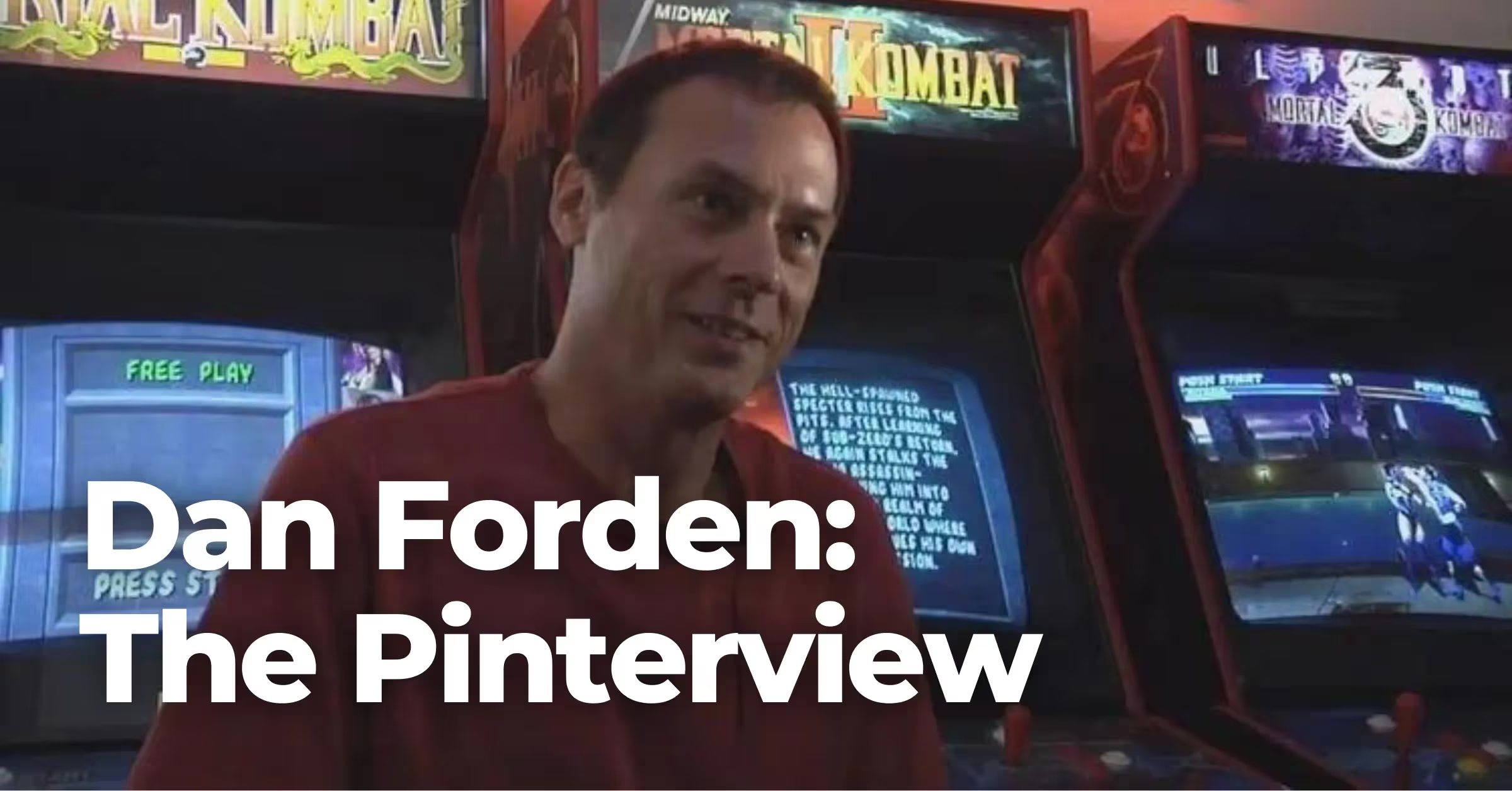 On KineticistDan Forden: The Pinterview
Games
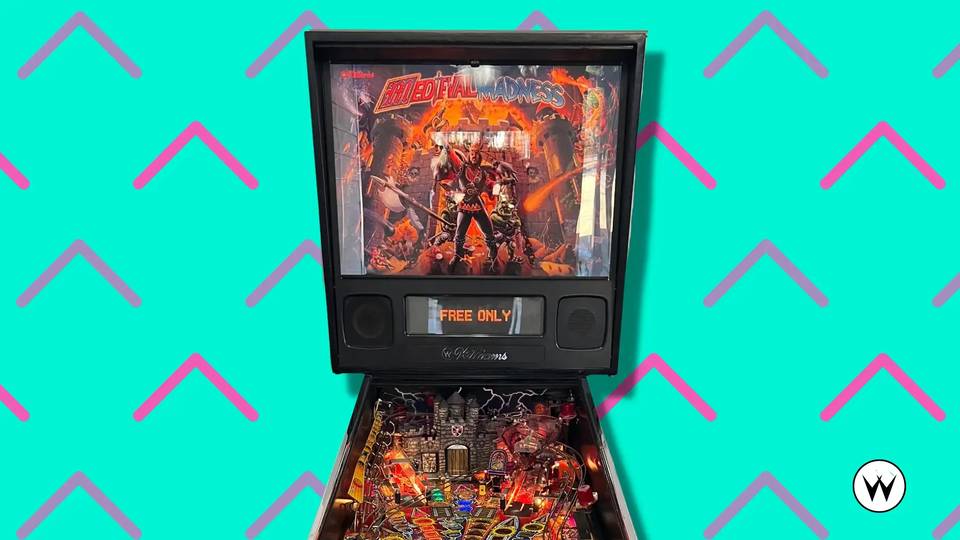
Medieval Madness
199796/100 (26)Williams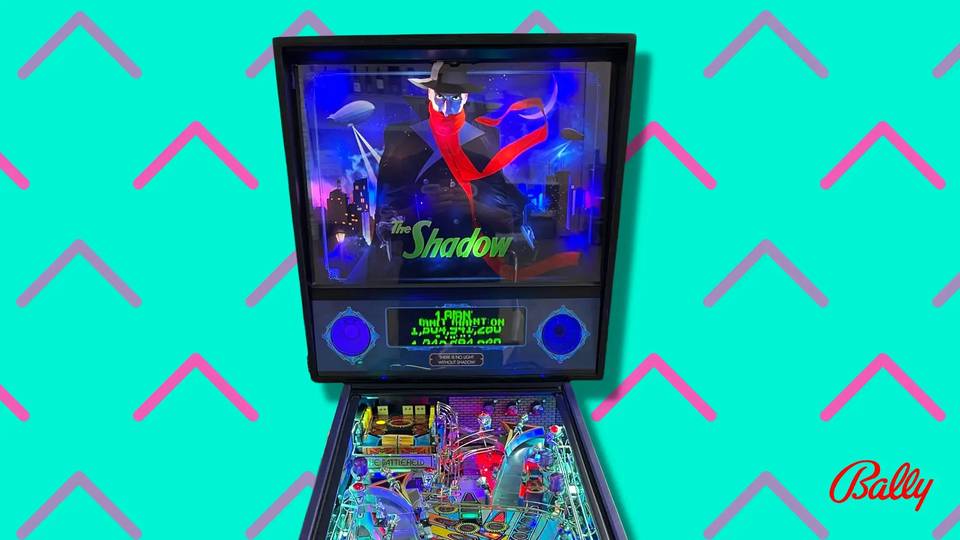
The Shadow
199495/100 (9)Bally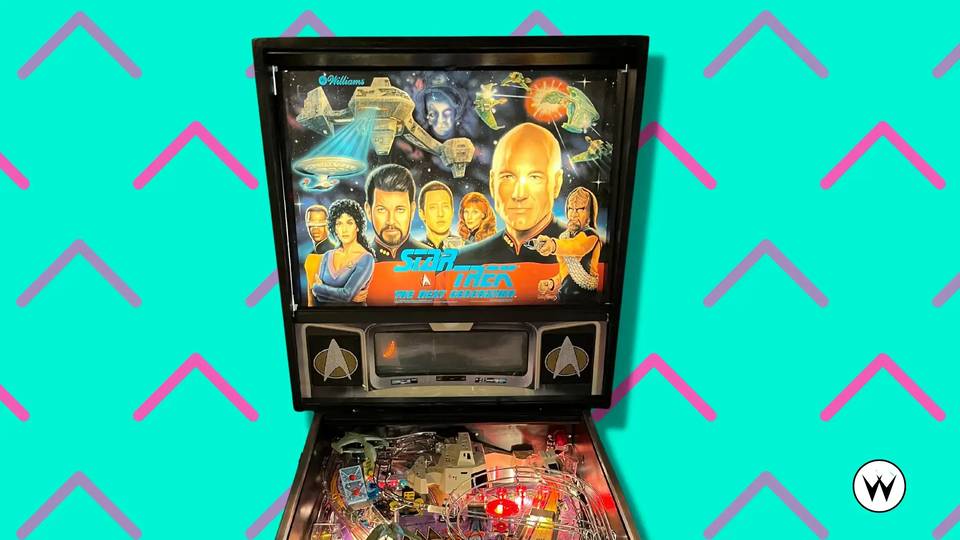
Star Trek: The Next Generation
199391/100 (17)Williams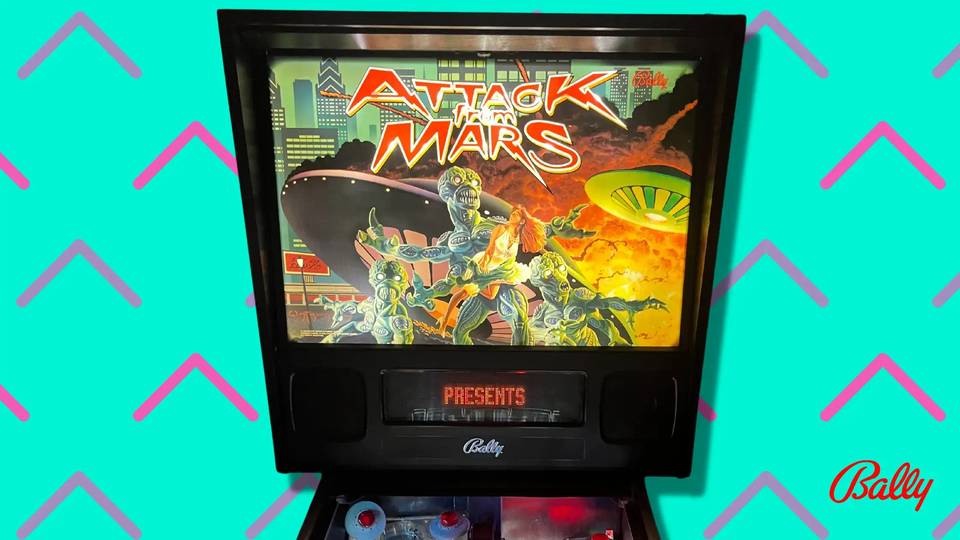
Attack from Mars
199591/100 (19)Bally
The Getaway: High Speed II
199290/100 (9)Williams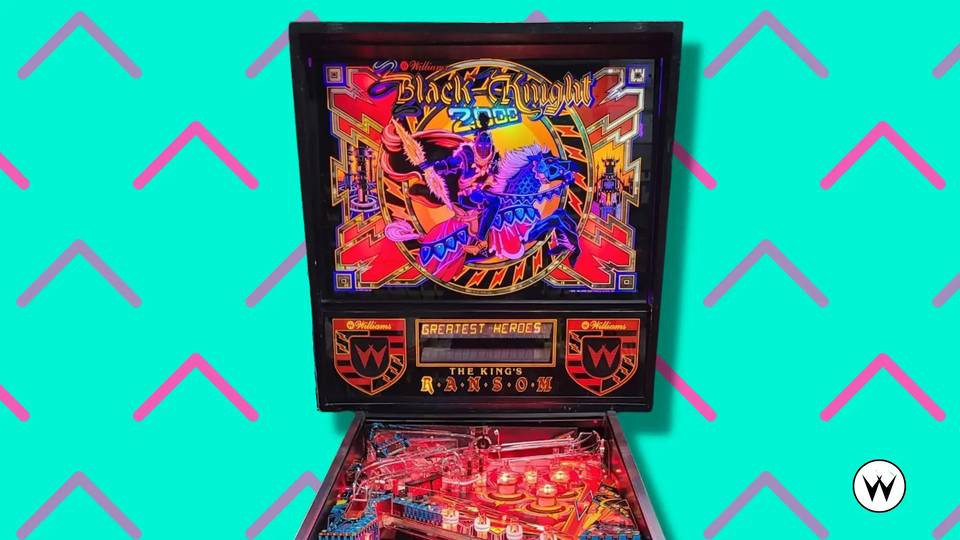
Black Knight 2000
198990/100 (7)Williams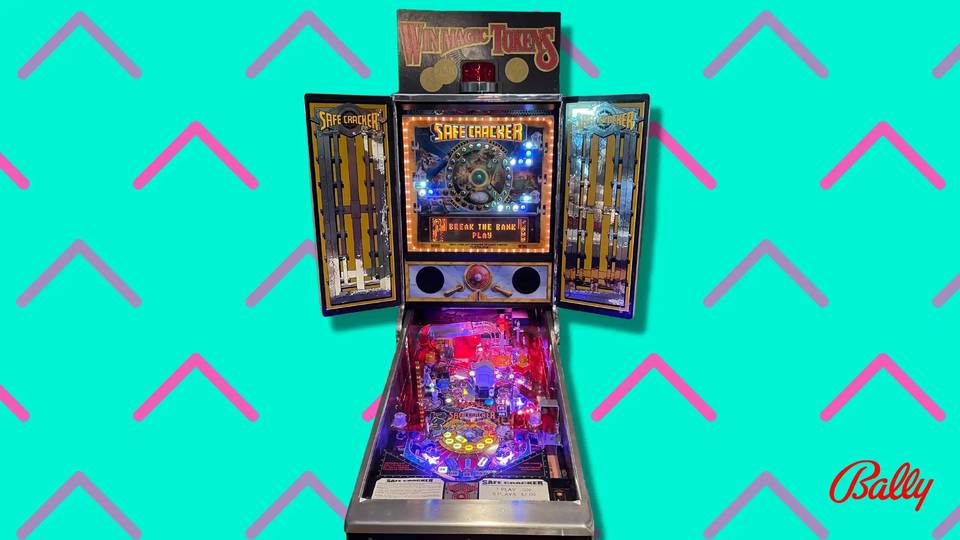
Safe Cracker
199686/100 (5)Bally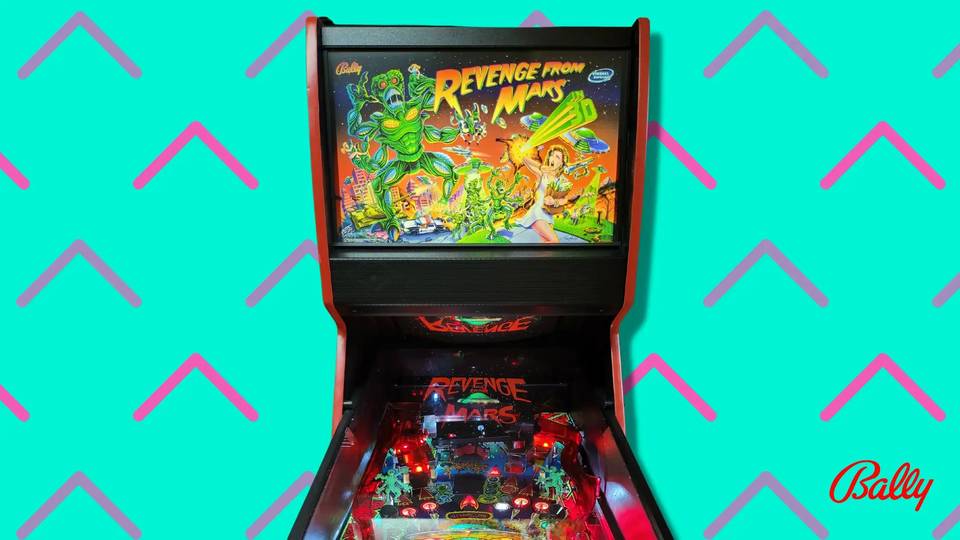
Revenge From Mars
199980/100 (12)Bally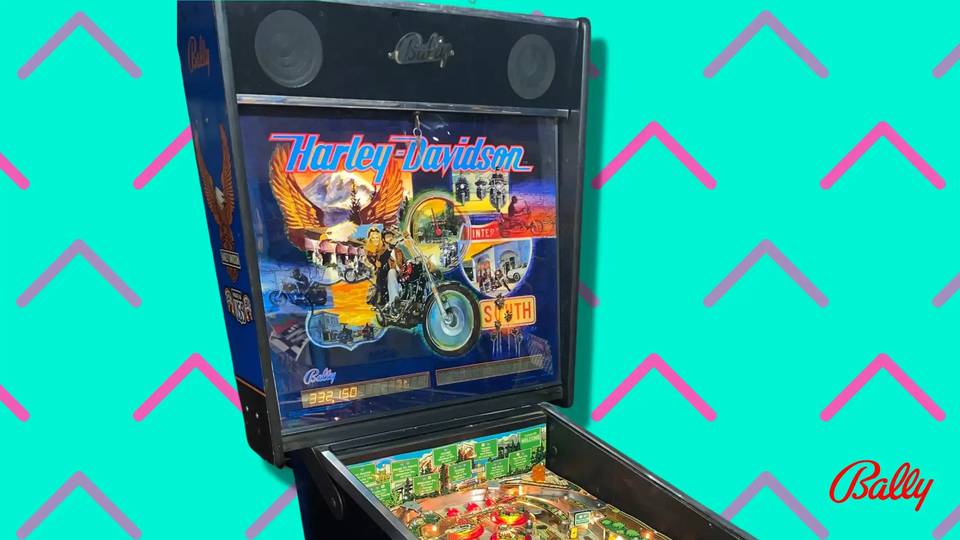
Harley Davidson
19914 ratings so farBally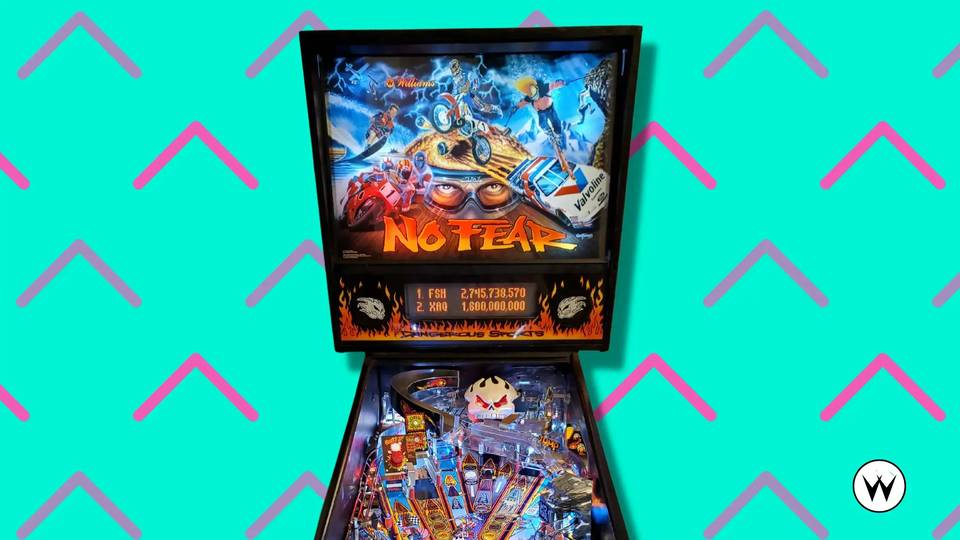
No Fear: Dangerous Sports
19954 ratings so farWilliams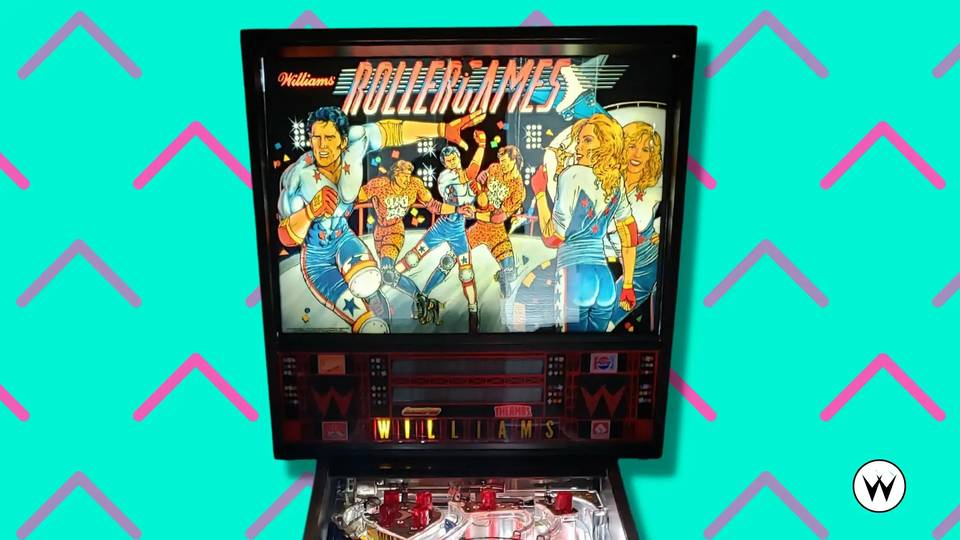
Rollergames
19904 ratings so farWilliams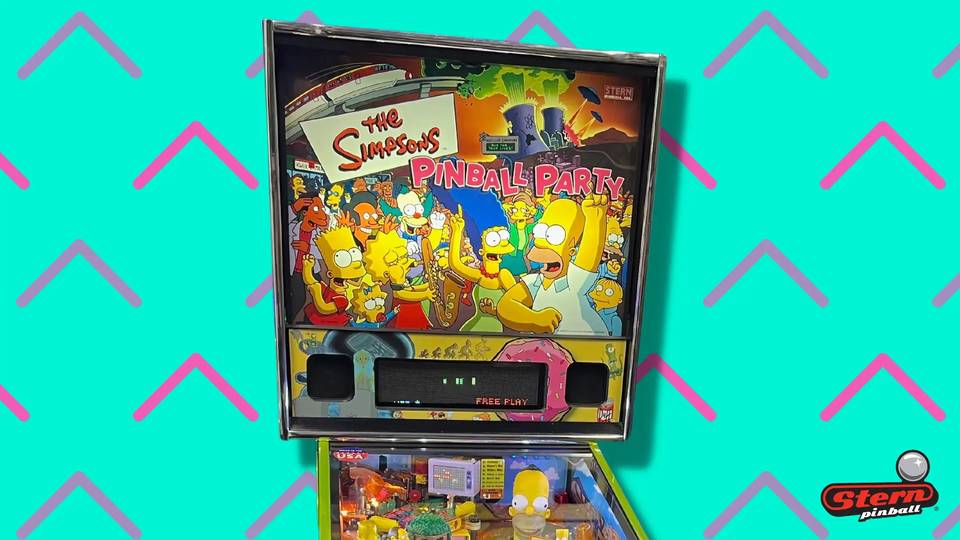
The Simpsons Pinball Party
20034 ratings so farStern
Bride of Pinbot
19913 ratings so farWilliams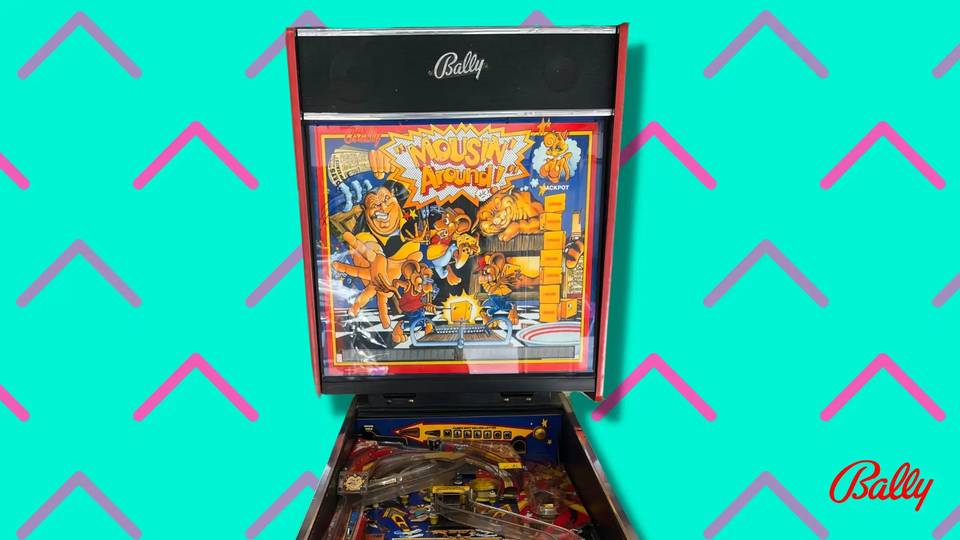
Mousin' Around!
19893 ratings so farBally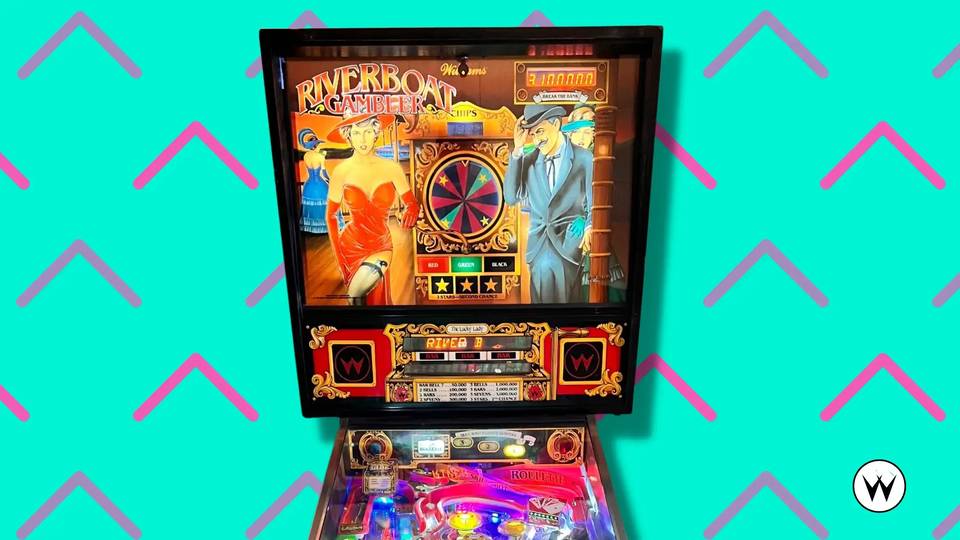
Riverboat Gambler
19903 ratings so farWilliams
Bad Cats
19892 ratings so farWilliams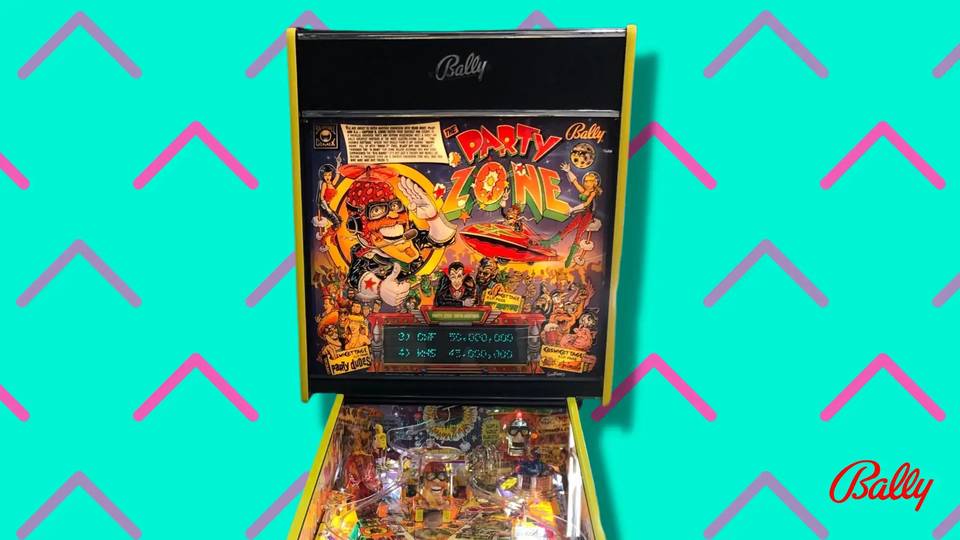
The Party Zone
19912 ratings so farBally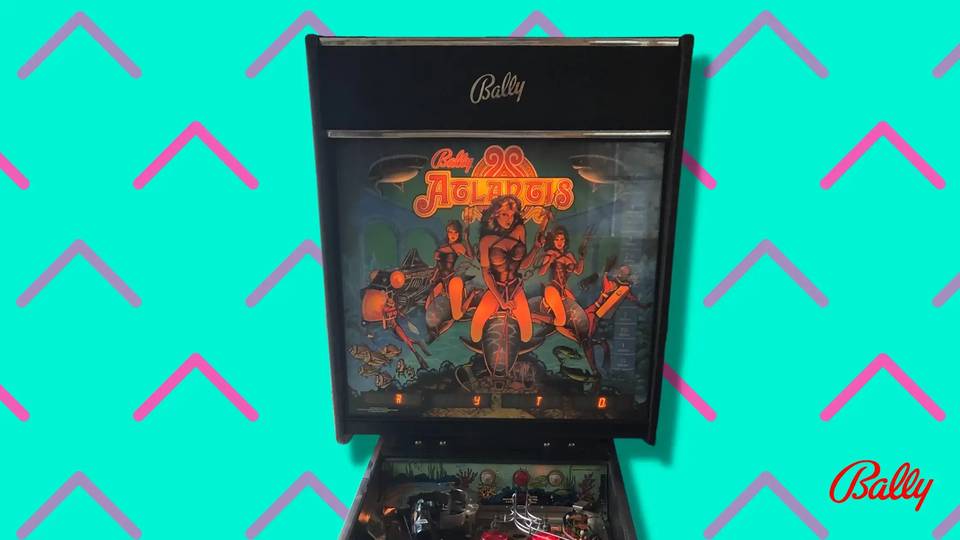
Atlantis
19891 rating so farBally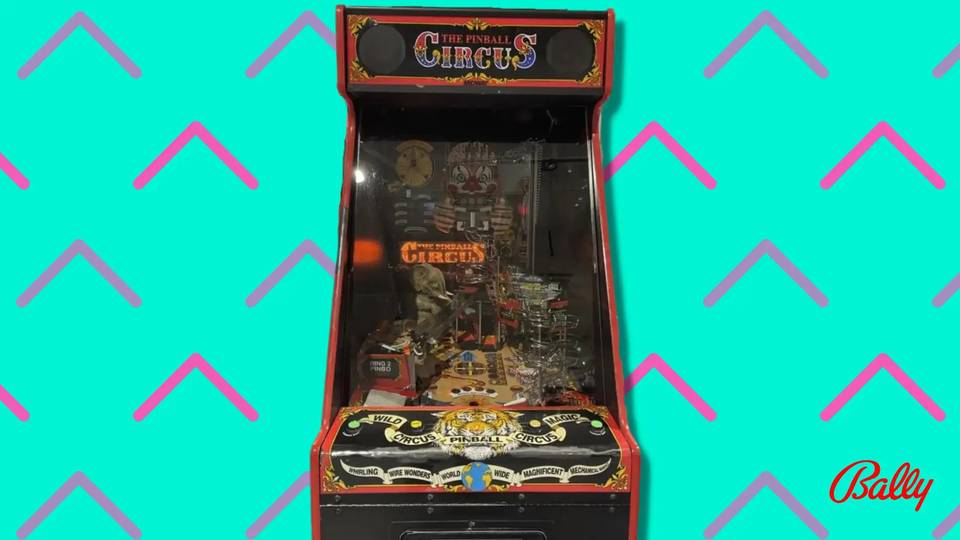
Pinball Circus
1994Bally
About
Dan “Toasty” Forden is a trailblazing figure in pinball audio who began his career at Williams Electronics in 1988, initially apprenticing under veteran composer Brian Schmidt. At that time, pinball audio was still rather minimalistic, largely relying on short synthesized loops and limited speech. Forden helped revolutionize these standards by crafting immersive, theme-driven scores and integrating voice callouts that changed dynamically based on gameplay events. Early standouts like Black Knight 2000 (1989), which he co-composed, showcased how a rock-style soundtrack could elevate a pinball machine’s identity. This approach foreshadowed the modern industry practice of making audio an essential, storytelling element in pinball.
Throughout the 1990s, Forden leveraged new hardware—namely the Digital Compression System (DCS)—to deliver high-fidelity stereo music and speech in Williams/Bally machines. His work on titles such as The Getaway: High Speed II, Star Trek: The Next Generation, Attack From Mars, and Medieval Madness exemplified his knack for blending orchestral or rock-inspired scores with humorous and memorable character voices. These audio packages not only enhanced play immersion but also guided players by aligning unique sounds and speech with particular game modes or objectives. Forden’s emphasis on intricate, dynamic sound design helped spur a broader shift in pinball manufacturing, prompting studios to invest in more advanced sound boards and make audio a core part of game development.
Even after Williams closed its pinball division in 1999, Forden’s influence persisted. He contributed to later Stern Pinball projects, such as The Simpsons Pinball Party, while also remaining active in video games. His legacy within pinball is evident in how modern pinball machines continue to use layered, theme-tailored music and voice elements as key attractions—an approach that can be traced directly to Forden’s pioneering efforts in the 1990s.
Kineticist Articles
Around pinball
Videos, podcasts and articles from elsewhere.

Mentioned in
Page updated July 2026 · Suggest a correction